

FLOMC
Request Information
FLOMC

Define the viewing task and the hazards around the equipment before selecting a transparent component.
Material evidence, panel retention and mounting interfaces must suit the intended exposure. Transparency or hard coating alone does not establish impact-guarding performance.
Transparent viewing and guarding components for demanding equipment environments. Material and structural choices depend on the identified hazards, access needs, and documented performance requirements.
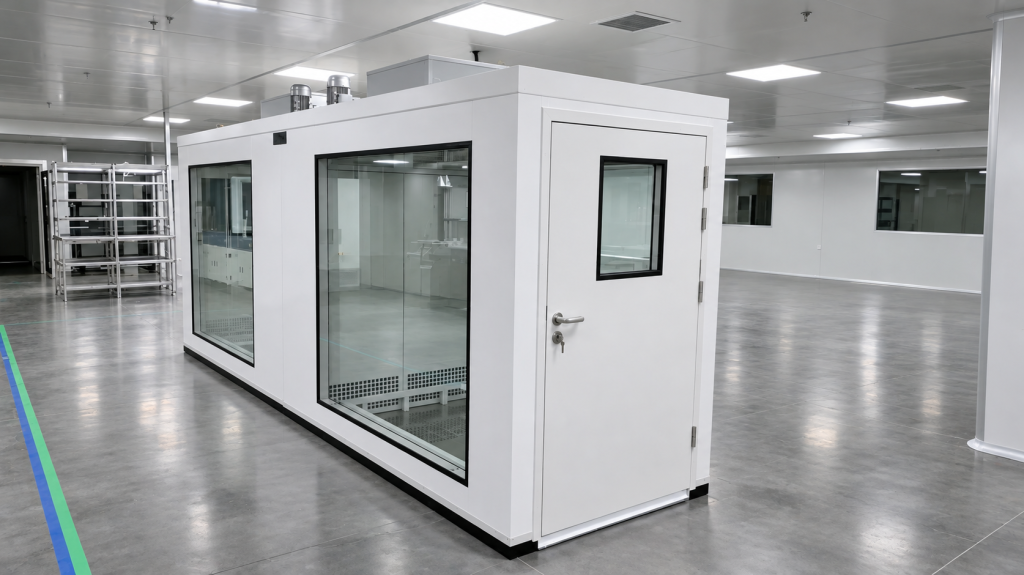
Coordinate panels, doors and frame interfaces around equipment zones, maintenance access and the surrounding environment.
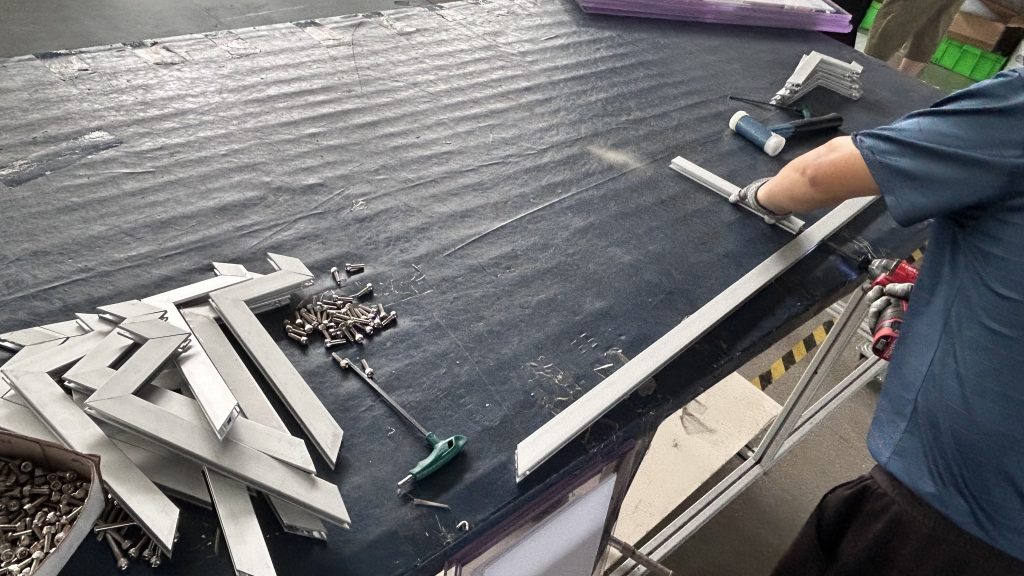
Review equipment boundaries, viewing positions and access around identified hazards. Define the panels, frames, interfaces and evidence required for the agreed mechanical scope.
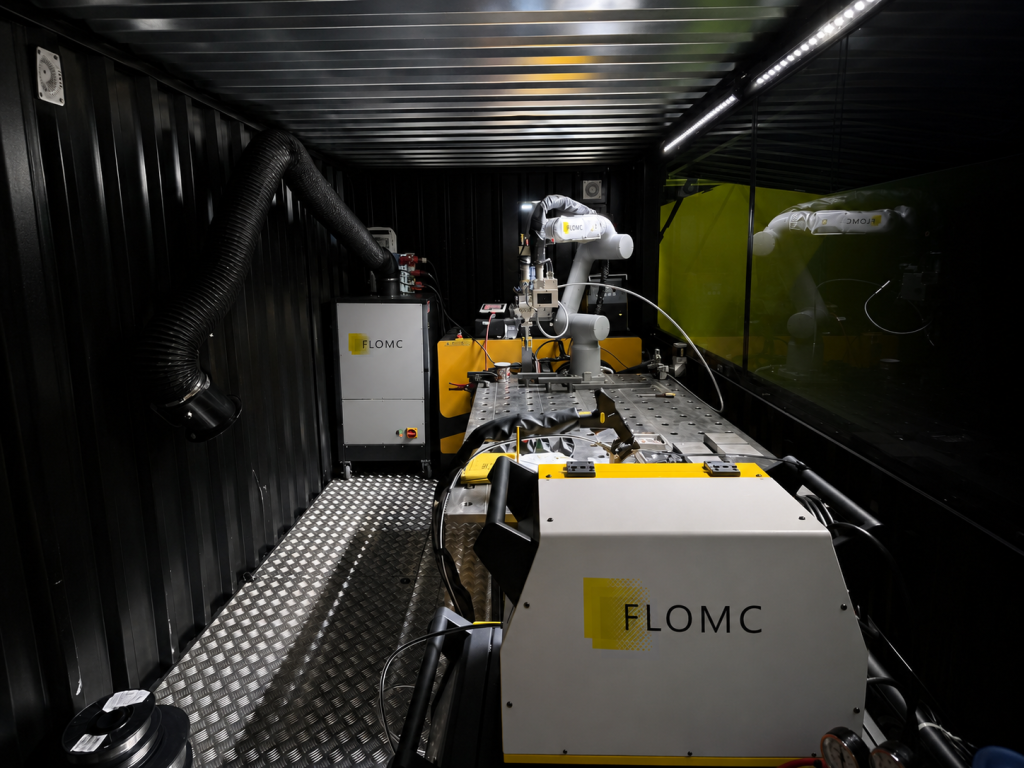
Review the viewing position, panel support and maintenance access around equipment. Match the material and installation to the identified environment.
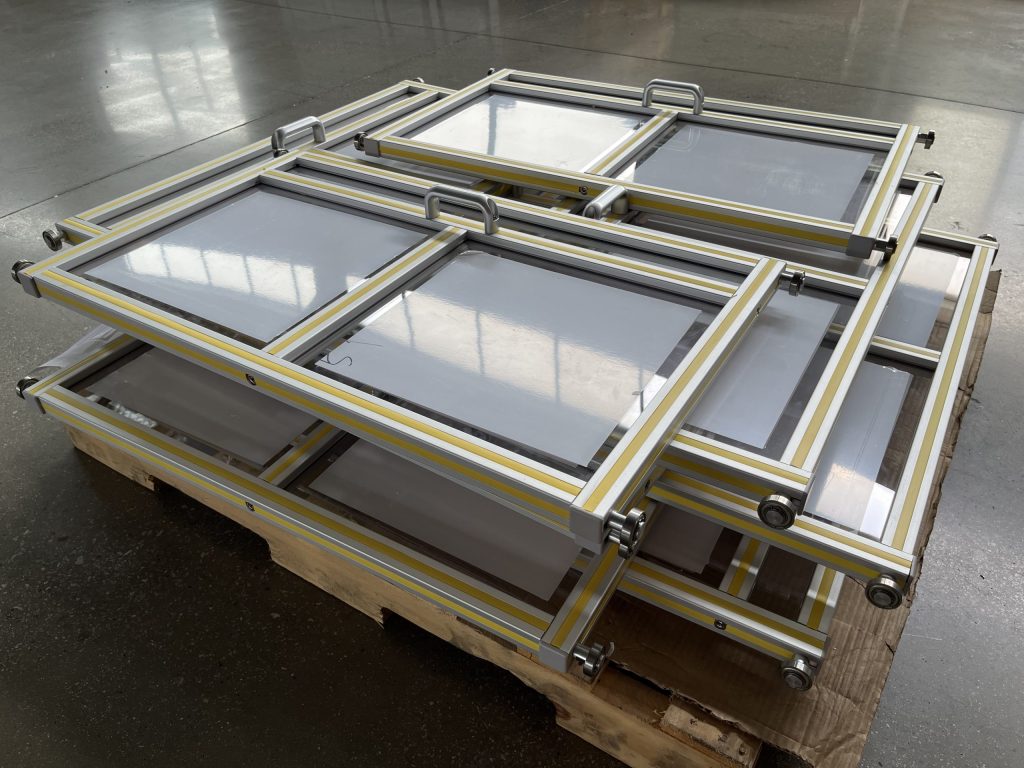
Coordinate windows, panels and frames around the operator’s viewing line, equipment layout and access needed for cleaning or replacement.
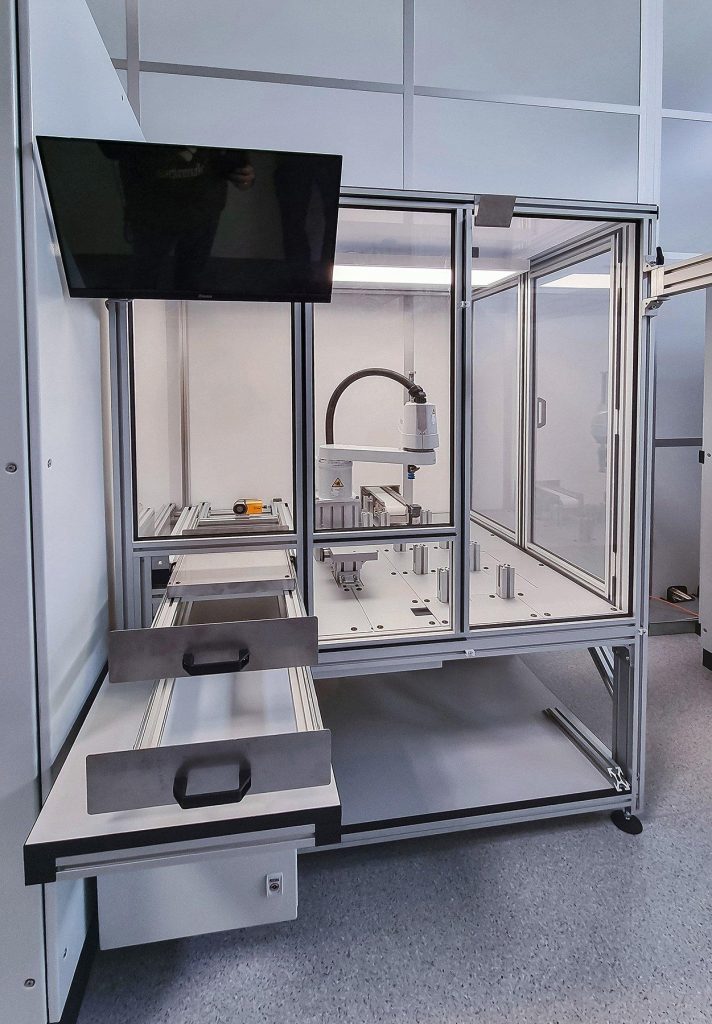
Plan fixed observation positions with clear requirements for the viewing panel, its attachment and the surrounding equipment boundary.
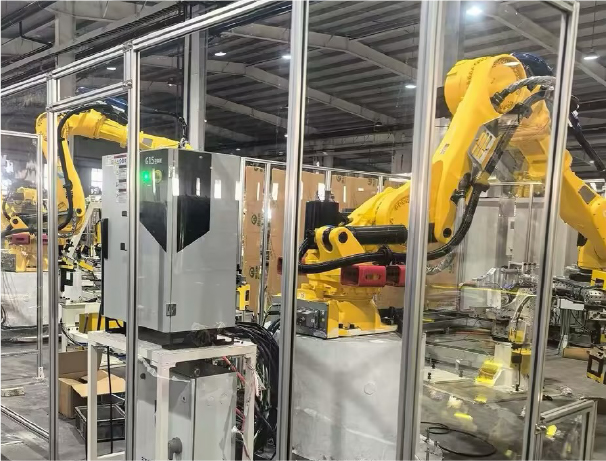
Identify the hazard, exposure and viewing position using the equipment risk assessment.
Specify the required performance and supporting evidence for the selected material and thickness.
Review supported edges, fixings, seals and interfaces with the surrounding structure.
Define inspection access, removal space and replacement procedures before manufacture.
Specify chemicals, temperature, abrasion and any static-control requirements for the intended use.
FLOMC supports the agreed material, processed-panel and mechanical component scope. Review the installation details together.
Viewing position and aperture.
Edge engagement and panel retention.
Fasteners and mounting interfaces.
Joints, gaps and openings.
Cleaning and inspection access.
Removal and replacement route.
The machine manufacturer or integrator remains responsible for risk assessment, mechanical guarding design, safety distances, controls and final system validation.

Start with the component and its connection to the equipment.
These images illustrate mechanical forms, not verified customer projects or hazard ratings.
Protective suitability requires evidence for the specified construction and intended use.
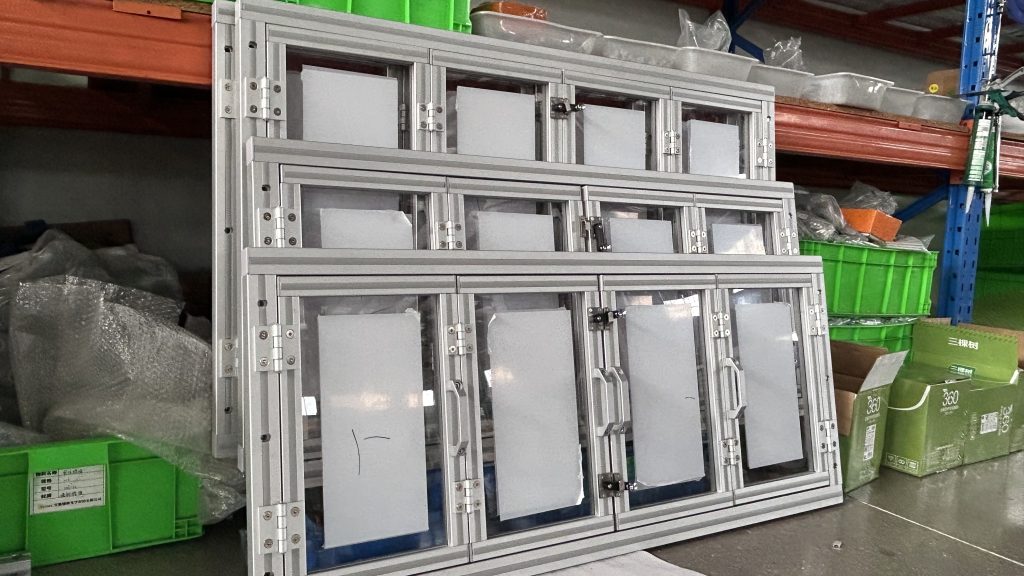
Illustrative components: define the aperture, retention, fixing positions and replacement access.

Illustrative configuration: coordinate panels, frames and openings against the equipment-defined protective requirements.
FLOMC can support your project from material selection, surface performance, panel processing, and structural development to OEM integration and installed-site adaptation.
Share the equipment context, viewing requirement, protection concern, or existing structure you are working with. We can help define the next practical direction.

English

German

Italian

Spanish