

FLOMC
Request Information
FLOMC

FLOMC — Anhui Fulang OpticalMaterials Co.,Ltd — manufactures industrial transparent materials, processed panels and mechanical assemblies.
Our work connects material production, surface performance, fabrication and structural fit, helping equipment teams turn a viewing or enclosure requirement into a defined manufacturing scope.
A transparent component has to suit more than its outline. We review how it will be used, cleaned, accessed and fitted to the equipment.
Polycarbonate sheets, ESD clear panels, covers and viewing windows provide starting points for discussing visibility, static control and the surrounding operating conditions.
The selected grade and finished component must be reviewed against the intended use and agreed requirements.

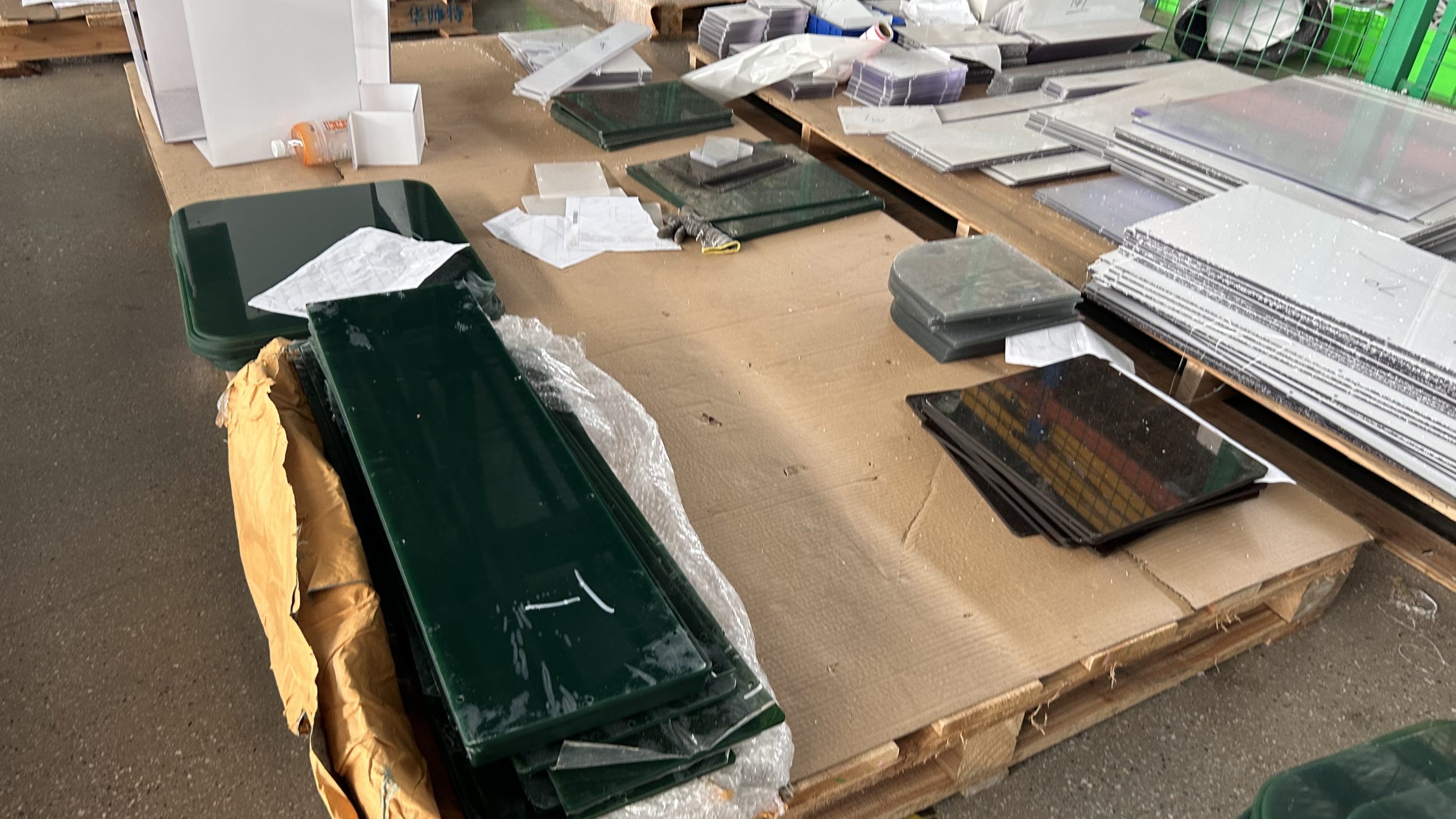


Repeated cleaning, dust attraction, abrasion and glare can affect a viewing panel.
Surface treatment and lamination requirements should be considered alongside the base material, cleaning method and operating environment.
We clarify the required surface properties and their evaluation before agreeing the manufacturing scope.
Manufacturing decisions continue through panel processing, edge treatment and connection details.
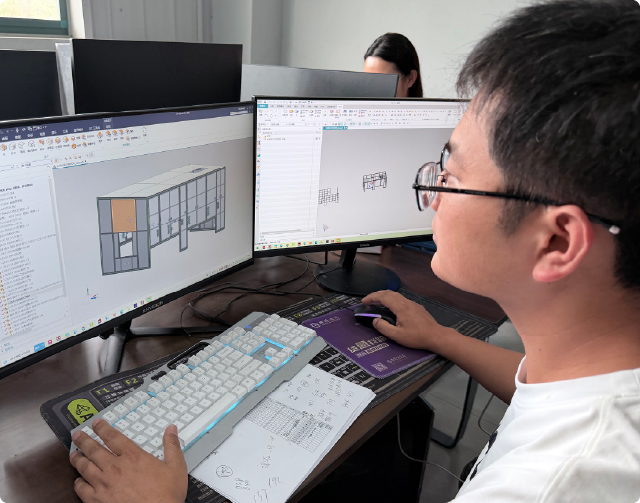
Drawings, an existing component or an intended use can begin the discussion. Dimensions, seals, access and mounting interfaces define the part.
Agree whether supply covers individual processed panels, prepared components or assembled mechanical modules.
The component must fit the equipment around it.
Review frames, fixing positions, panel retention, replacement access and the intended delivery state alongside the material specification.
FLOMC supports the agreed component or module scope. Overall safety-system design and final validation remain with the equipment OEM or integrator.

Surface Requirements

Panel Processing

Mechanical Interfaces
Manufacturing decisions continue through panel processing, edge treatment and the details that connect a part to its frame.
Customer drawings, an existing component or a description of the intended use can begin the discussion.
Dimensions, mounting interfaces, seals and access requirements help define whether supply covers individual panels or assembled mechanical modules.

Define panel retention, openings and mounting positions.

Agree the selected construction and evaluation requirements.

Coordinate joints, hardware and the assembly sequence.
Specify loose parts, prepared kits or assembled sections.
FLOMC supports equipment manufacturers and integrators with material selection, fabrication and mechanical fit.
The agreed scope identifies the supplied parts, assembly interfaces and installation responsibilities.
The equipment OEM or integrator retains responsibility for the overall safety-system design, including risk assessment, controls, interlocks and final system validation.

Send your drawings, photos of an existing part, target quantities and operating requirements.
Tell us whether you need material, processed panels or a framed assembly, and which interfaces are already fixed.
We can review the supply scope and identify the information needed for the next step.


FLOMC can support your project from material selection, surface performance, panel processing, and structural development to OEM integration and installed-site adaptation.
Share the equipment context, viewing requirement, protection concern, or existing structure you are working with. We can help define the next practical direction.

English

German

Italian

Spanish