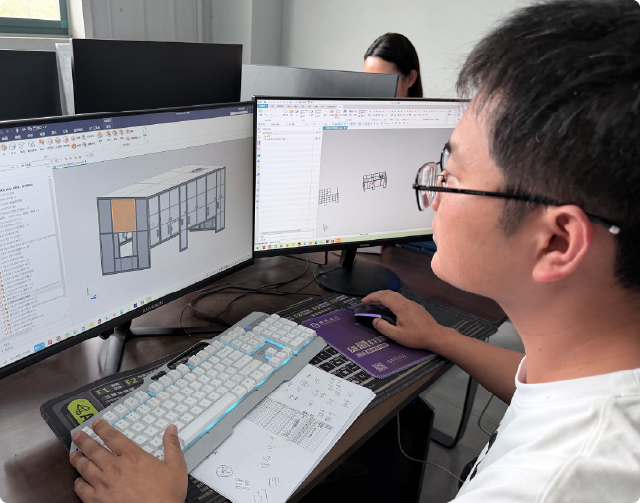
All of our laser safety training is now available online


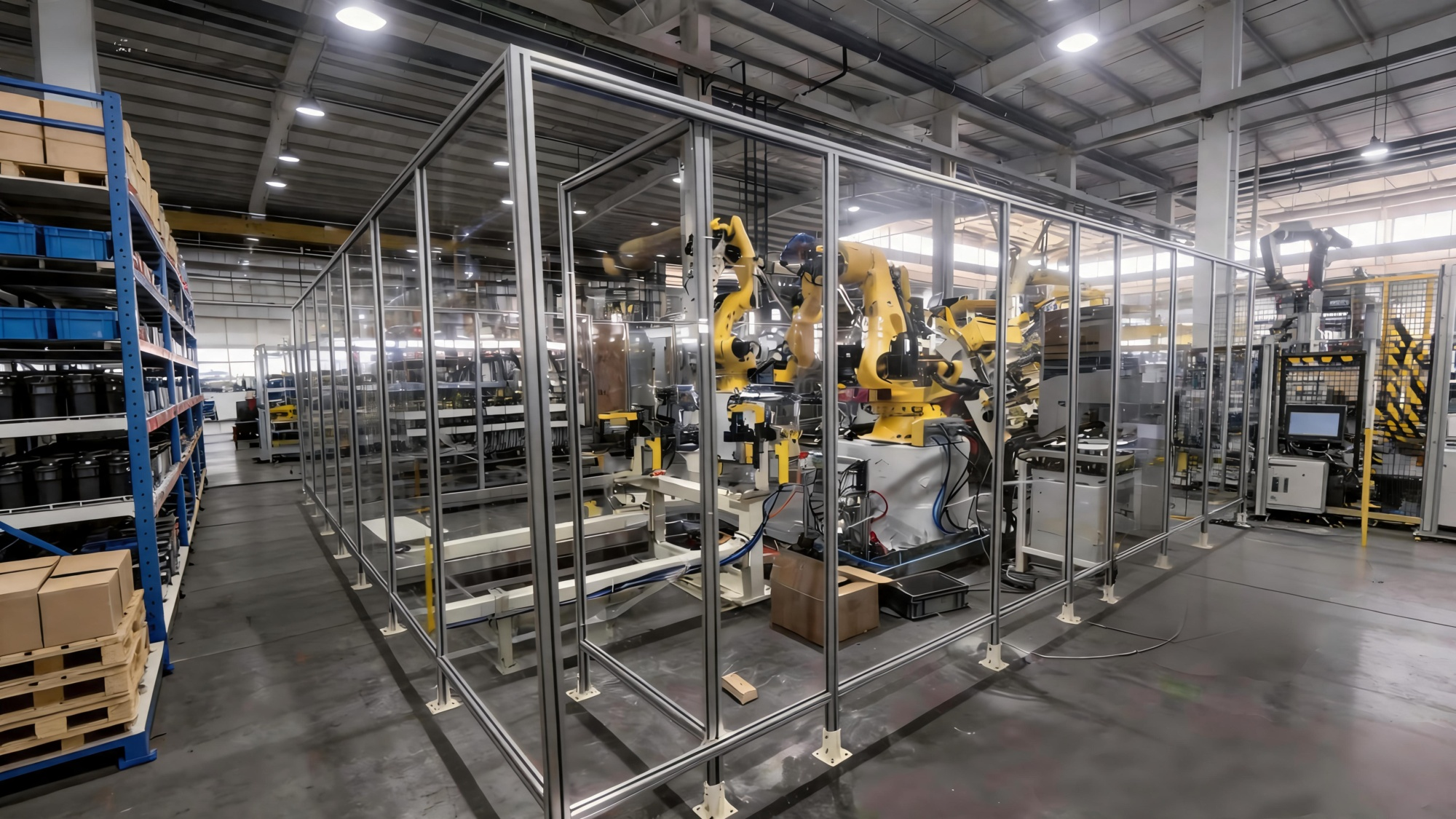
Machine Structure
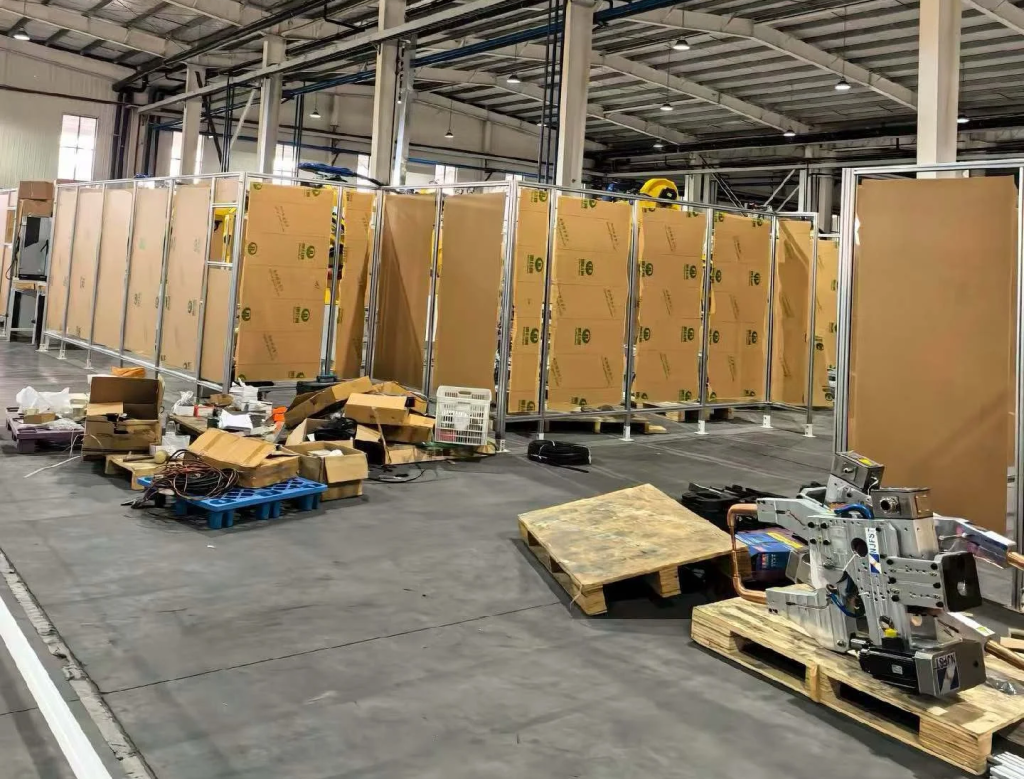
Robotic Cell Guarding Structures
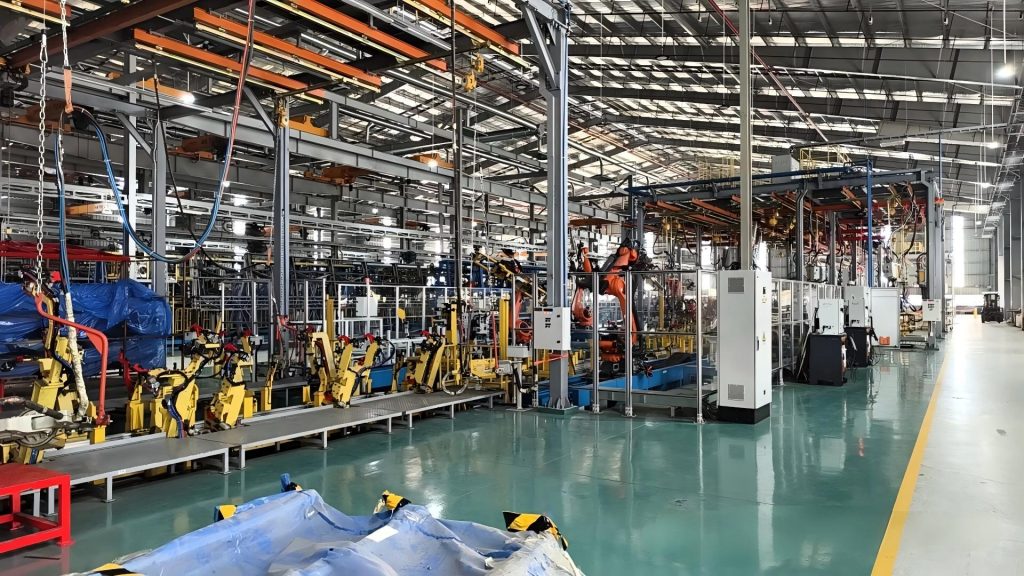
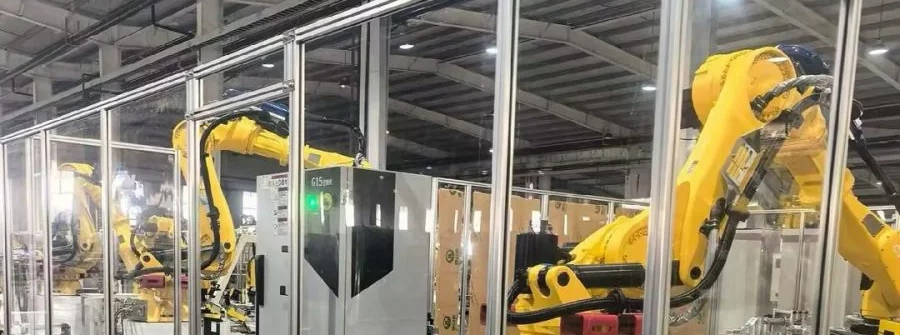
Robotic cell guarding has to follow robot movement, loading positions, operator access, maintenance space, and the surrounding equipment.
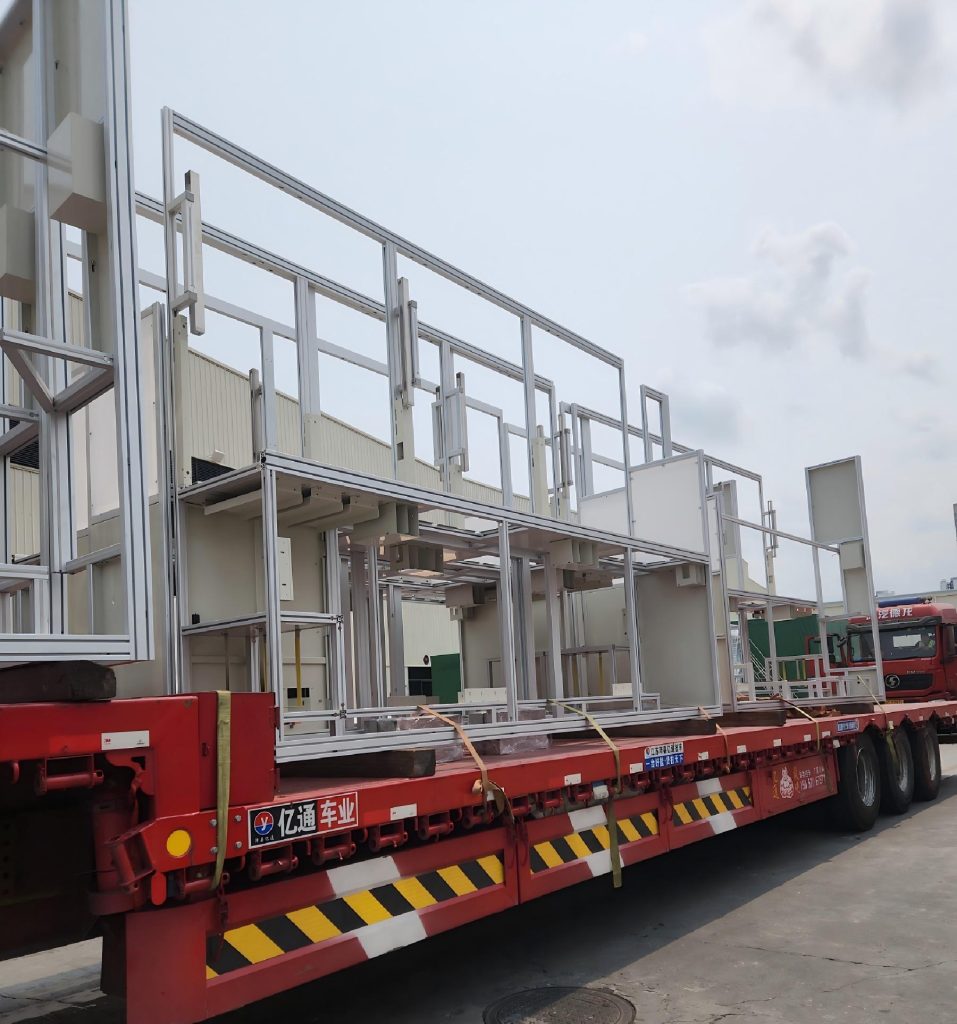
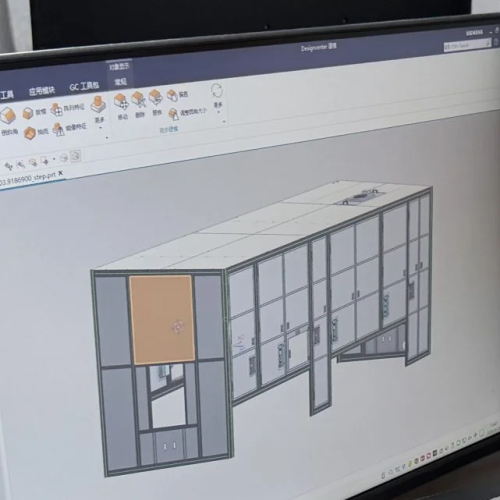
FLOMC combines transparent panels, aluminum-profile frames, doors, and sheet-metal components into a physical guarding structure built around the actual cell layout.
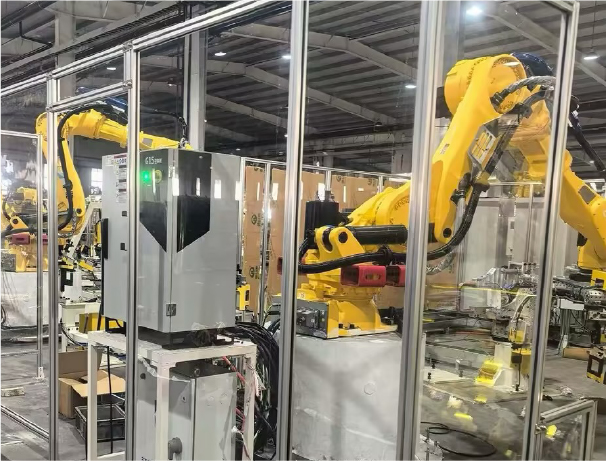
Automation
Adjusted Around Motion
An automation guarding system is adjusted through structure, panel material, machining, frame assembly, access hardware, and installation.
The final shape usually comes from the equipment movement around it.
What We Coordinate
- Machine layout
- Robot movement range
- Transparent material selection
- Profile frame structure
- Profile frame structure
- Panel fitting and replacement
- Panel fitting and replacement
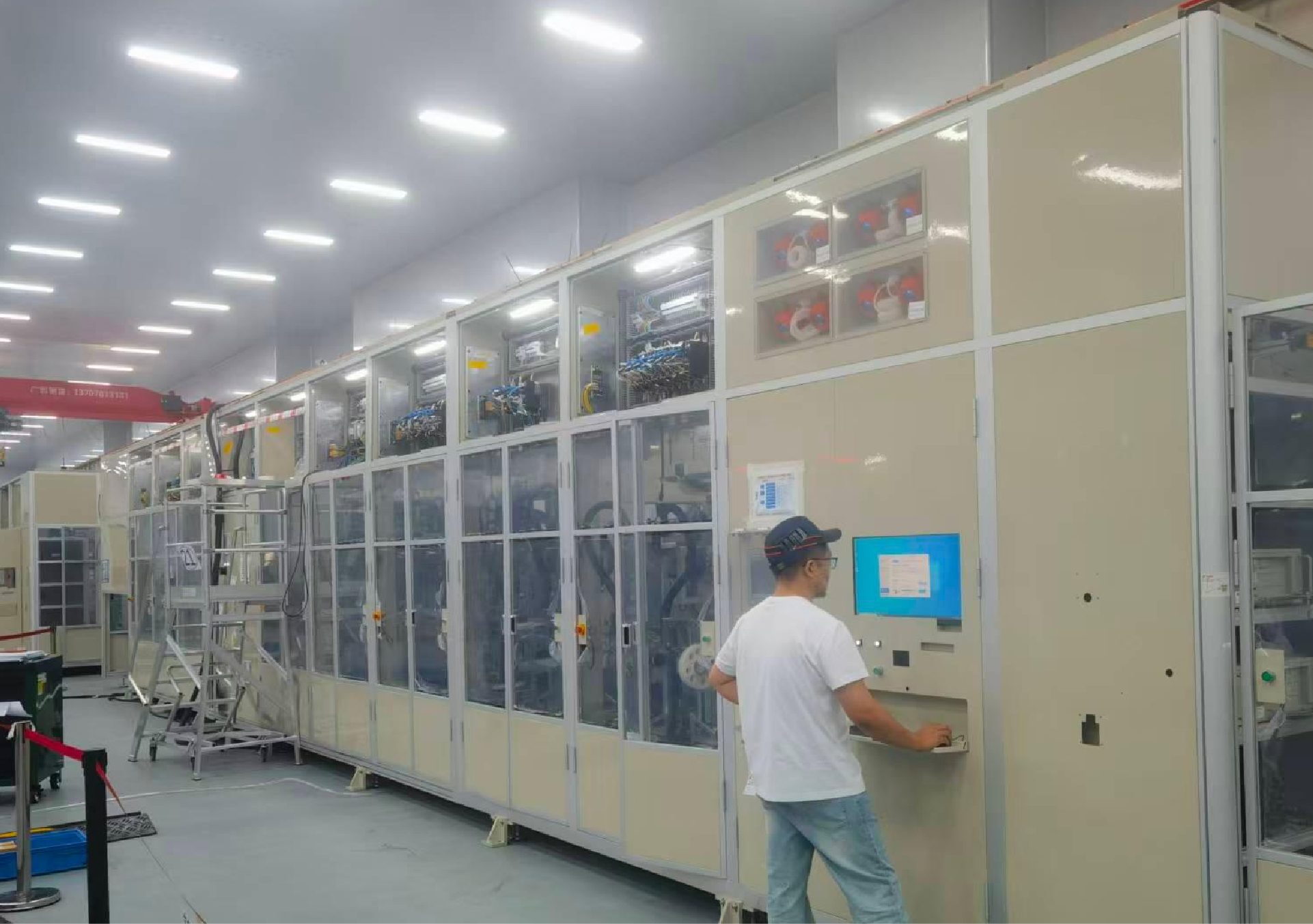
Transparent protection
What Defines the Guarding Structure
The structure changes with the cell boundary, access points, viewing requirements, and equipment interfaces.
Cell Boundary
Frames and panels define the physical separation around the automated work area.

Access Doors
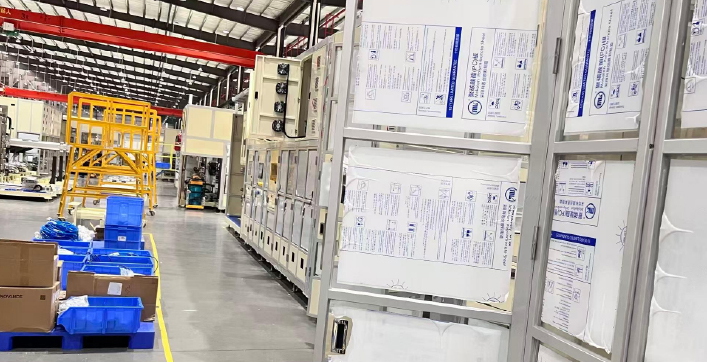
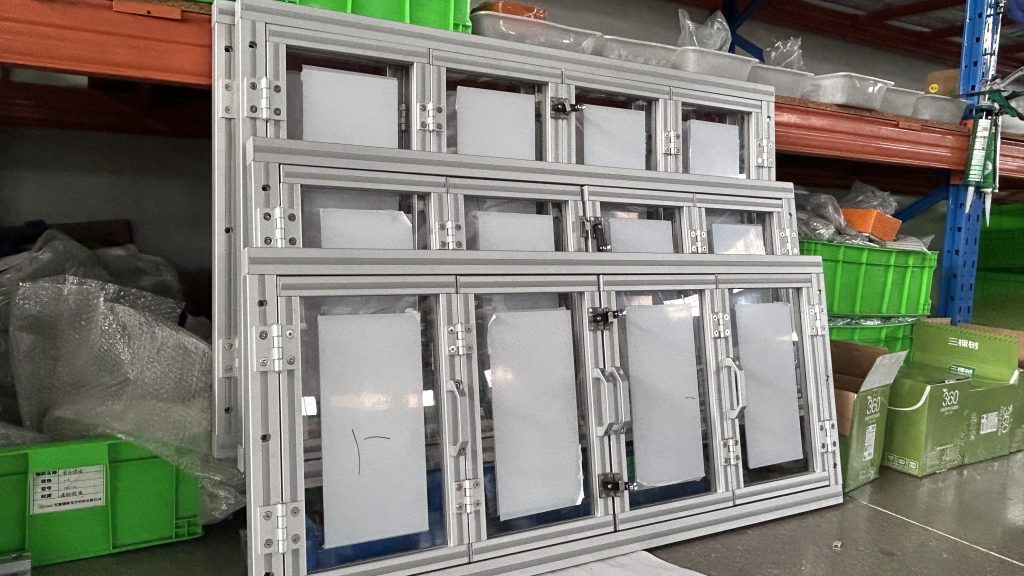
Door and removable sections follow operation, loading, and maintenance routines.
Transparent Panels
Viewing areas keep process and equipment status visible within the guarding boundary.
Machine Interfaces
Brackets, covers, and transition parts connect the structure to the actual equipment layout.

Viewing Requirement
Transparent areas are positioned around the process condition, machine status, alignment point, or movement that needs to remain visible during operation.
Transparent protection
Transparent Areas Where Operators Need Them
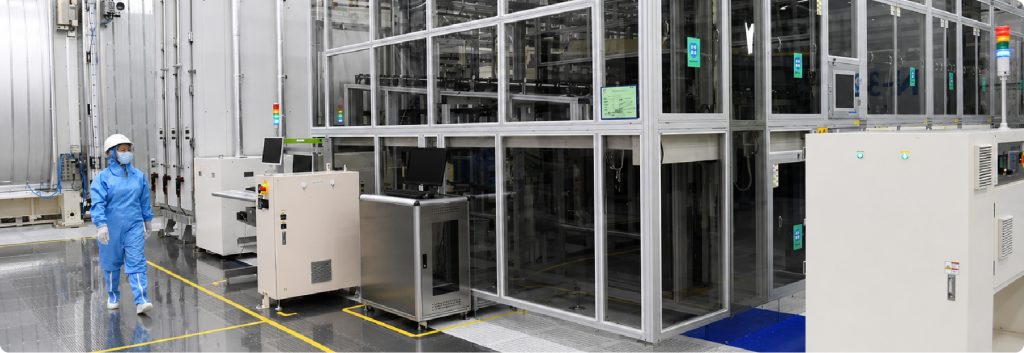
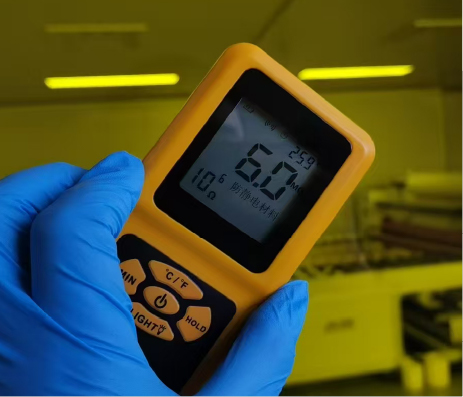
Transparent panels may form fixed guarding bays, framed doors, inspection covers, or larger viewing sections.Panel size, fixing method, frame contact, and replacement access should be considered together. Where cleaning, abrasion, or static matters, the transparent surface can be specified for the operating environment.

Material Direction
Based on the operational requirements of the project, the material plans for panels and frames, etc. are specified.
- Impact resistance : hard-coated polycarbonate sheet
- Long-time Durability : abrasion resistance
- Frame Sctructure : aluminium alloy sections with Extremely high precision

Fabrication
CNC panels, sealing grooves, bosses. Edge-polished. Hard-coated on operator side.
- Panel flatness: ±0.3mm over 1500mm
- Integrated gasket groove, 3mm EPDM
- Anti-static surface treatment applied
- Protective film, peel-away on install

Structure & Integration
Modular Al frame, T-slots, ready-install modularity. Interlocks, LED status, cable mgmt for cameras.
- Frame: 40×80mm extrusion, anodized
- Panel retention: quarter-turn fasteners
- Interlock: 24V DC, SIL 2 rated
Manufacturing
Manufactured as Coordinated Parts
A robotic cell structure may combine:
- CNC-machined transparent panels
- Aluminum-profile frames
- Sheet-metal covers and brackets
- Door and access assemblies
- Removable service sections
- Pre-assembled guarding modules
Projects can start from released production drawings or from a defined cell layout that still requires structural detailing.
Automation & Robotics
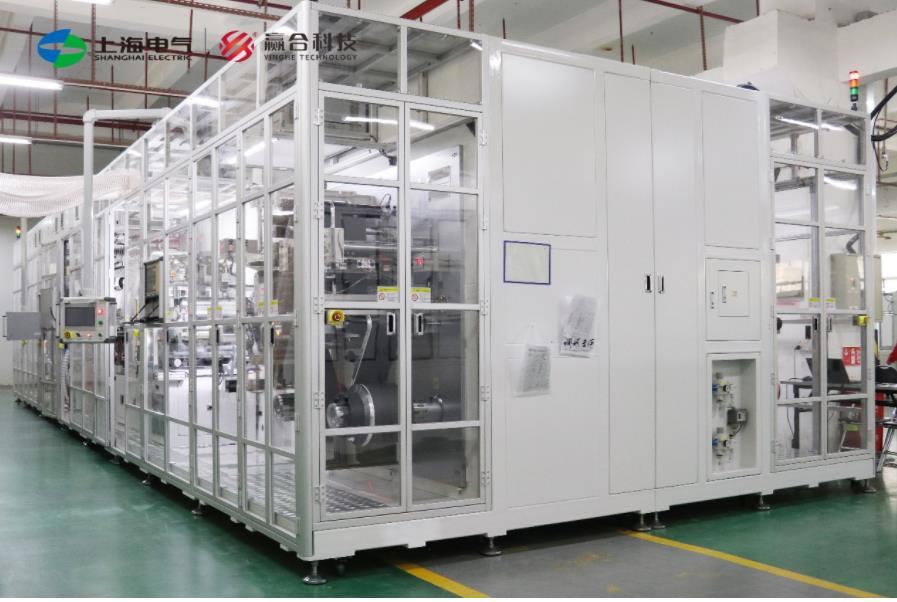
FLOMCTECH develops automation and robotics guarding systems around equipment movement, operator access, material flow, maintenance and visibility. Solutions include perimeter guarding, robotic cell protection, machine guarding structures, viewing panels, framed windows, access doors and modular assemblies.
-
 Automation Perimeter Guarding Systems
Automation Perimeter Guarding Systems
Et quoniam mirari posse quosdam peregrinos existimo haec lecturos forsitan, si contigerit, quamobrem cum oratio ad ea monstranda deflexerit quae.
- Equipment windows
- Machine guards
- Protective covers
Explore -
Robotic Cell Protection Systems
Robotic Cell Protection Systems
For robot cells where the protection structure must respond to robot reach, tooling, workpiece movement, loading positions, operator access, and maintenance conditions. FLOMCTECH can coordinate cell boundaries, viewing zones, loading gates, operator doors, removable sections, and pre-assembled guarding modules around the defined robotic work area.
- Equipment windows
- Machine guards
- Protective covers
Explore -
Machine Guarding Structures
Machine Guarding Structures
For individual machines or local process areas where a panel alone cannot create the required physical boundary. The structure may combine transparent, mesh, or opaque panels with profile frames, covers, doors, removable sections, brackets, and machine-side mounting points, while remaining coordinated with equipment movement, operation, cleaning, and maintenance access.
- Equipment windows
- Machine guards
- Protective covers
Explore -
Automation Viewing Panels & Windows
Automation Viewing Panels & Windows
For existing doors, covers, guards, or enclosures that already provide the surrounding structure but need a defined transparent area. FLOMCTECH can supply flat or formed viewing panels, framed windows, door inserts, inspection covers, and machined replacement panels according to the required opening, fixing method, edge condition, and viewing position.
- Equipment windows
- Machine guards
- Protective covers
Explore
Structural delivery
From Components to Guarding Modules
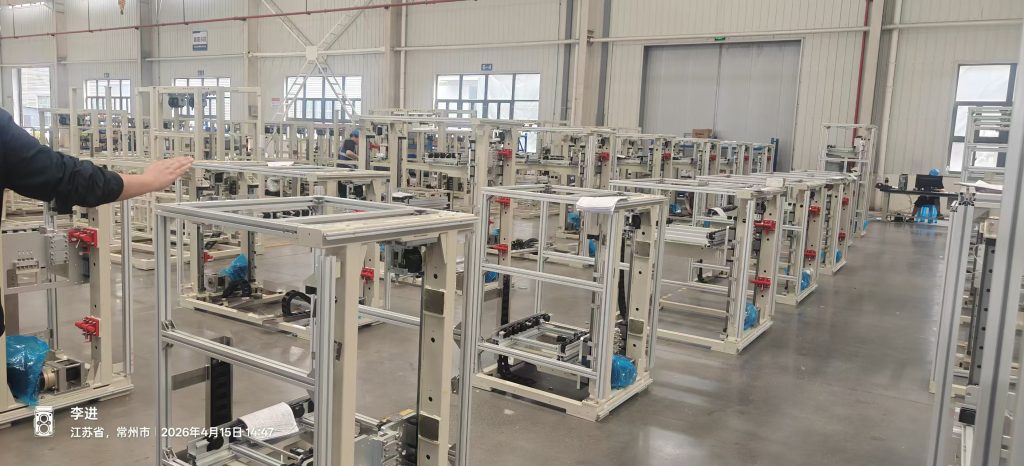
Depending on the project, FLOMC can supply machined panels and sheet-metal parts, framed doors and subassemblies, coordinated component kits, pre-assembled guarding sections, or a project-specific physical guarding structure.
FLOMC supports the mechanical structure and its manufacturing interfaces. Machine-level risk assessment, safeguarding distances, control and interlock logic, and final equipment conformity remain with the responsible machine builder or system integrator.
-
Machine Guarding Structures
-
Automation Perimeter Guarding Systems
-
Anti-Static Transparent Materials
-
Automation Viewing Panels & Windows
-
Hard-Coated Transparent Panels
-
OEM Support
FINAL CTA
Start with Your Equipment Environment
FLOMC can support your project from material selection, surface performance, panel processing, and structural development to OEM integration and installed-site adaptation.
Share the equipment context, viewing requirement, protection concern, or existing structure you are working with. We can help define the next practical direction.