

FLOMC
Request Information
FLOMC
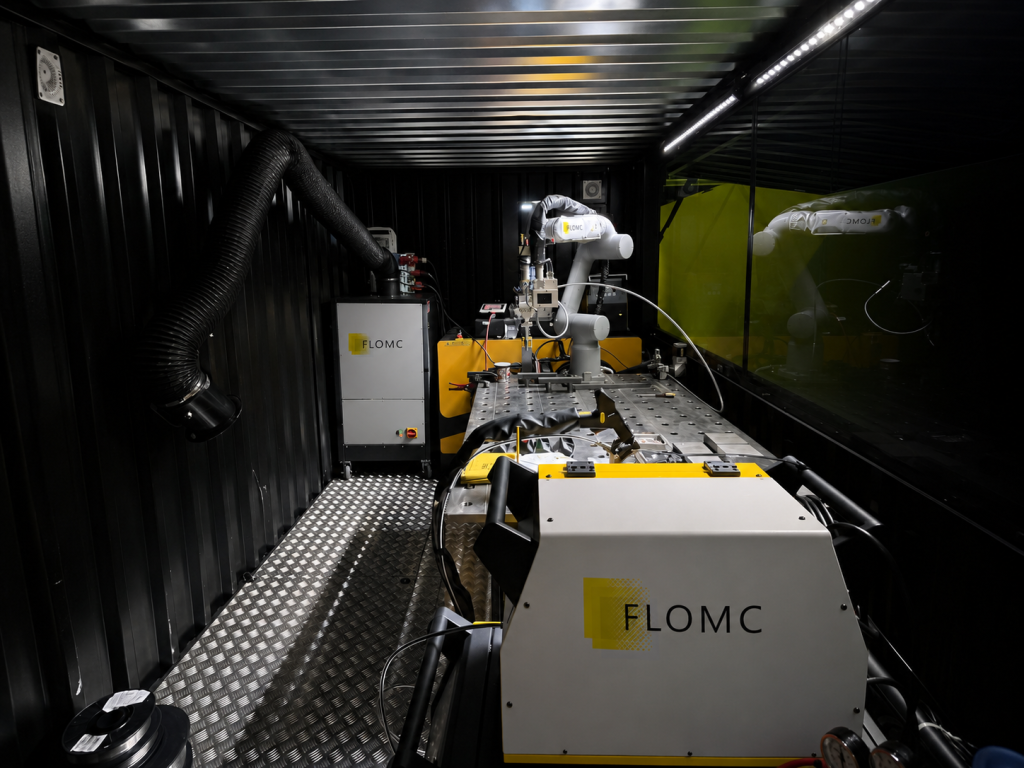
Define the laser process before defining the enclosure. Coordinate panels, frames, viewing openings and access interfaces with the equipment builder. The complete laser system requires its own safety assessment and validation.
Start with the wavelength, continuous-wave or pulsed operation, power or pulse energy, pulse duration and foreseeable beam paths. Review direct, reflected and scattered radiation at panels, joints and openings during operation, setup and maintenance.
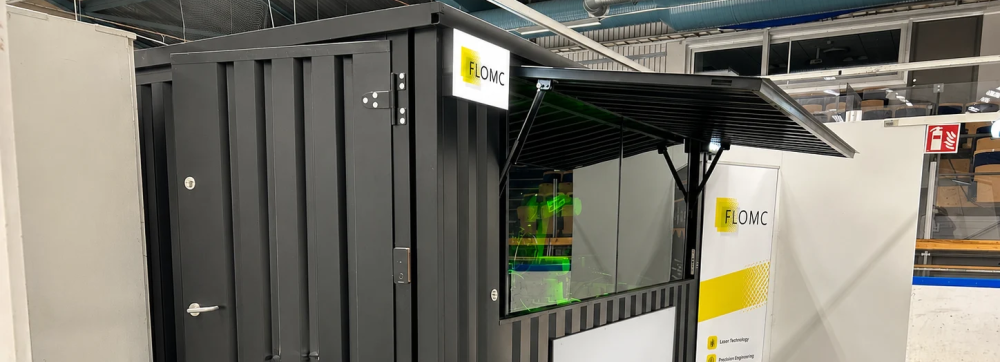
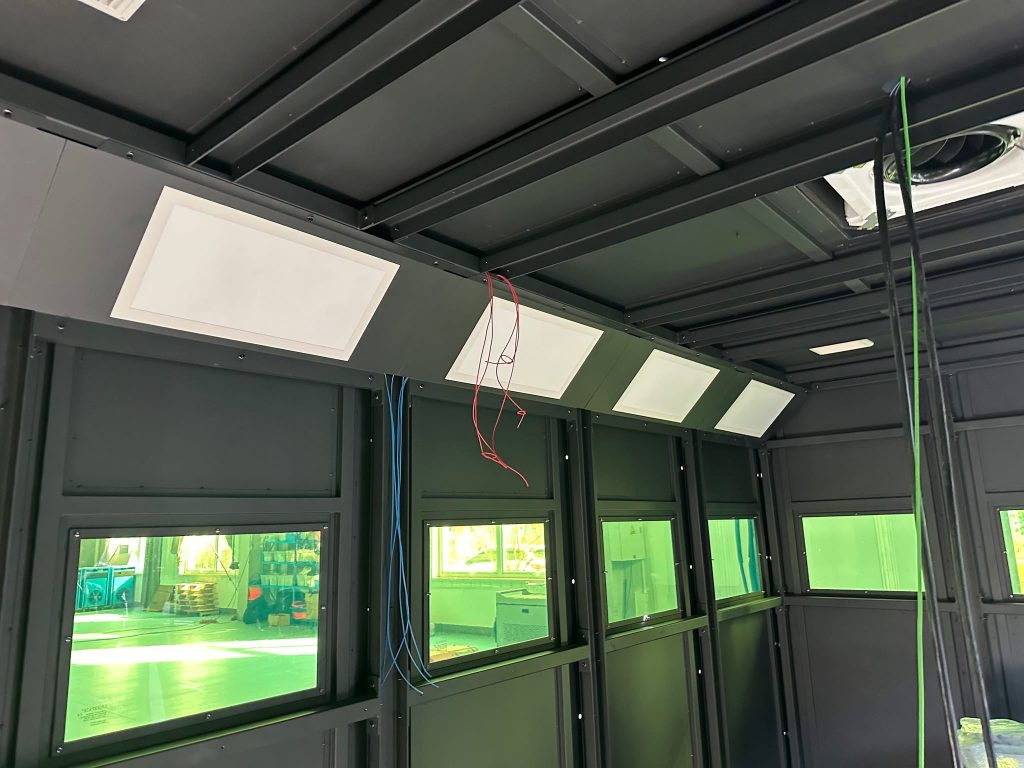
A protective enclosure depends on the installed assembly, not only its panel material.

Where visibility is kept inside the guarding or equipment boundary.

Where the transparent area meets profiles, covers, doors, or machine frames.

Where cleaning, abrasion, static, and long-term use start to show.

Where the viewing area has to fit the real equipment layout.

Review the complete boundary, including opaque panels, windows, joints and service openings. A window must be selected for the defined laser exposure and its installed geometry.
Tint, transparency or a material name alone does not establish laser protection. Specify supporting evidence for the selected construction, including panel retention, joints and foreseeable exposure.
Define access and control interfaces with the equipment builder.
FLOMC can coordinate the agreed mechanical enclosure and panel interfaces. The equipment builder or integrator remains responsible for the risk assessment, safety-related controls and interlocks, operating procedures and validation of the complete laser system.
Review documented performance for the specified construction and exposure.
Material data alone does not validate the installed enclosure. Confirm the agreed evidence, assembly details and replacement criteria with the responsible equipment team. Images illustrate construction contexts, not verified protection ratings or customer projects.
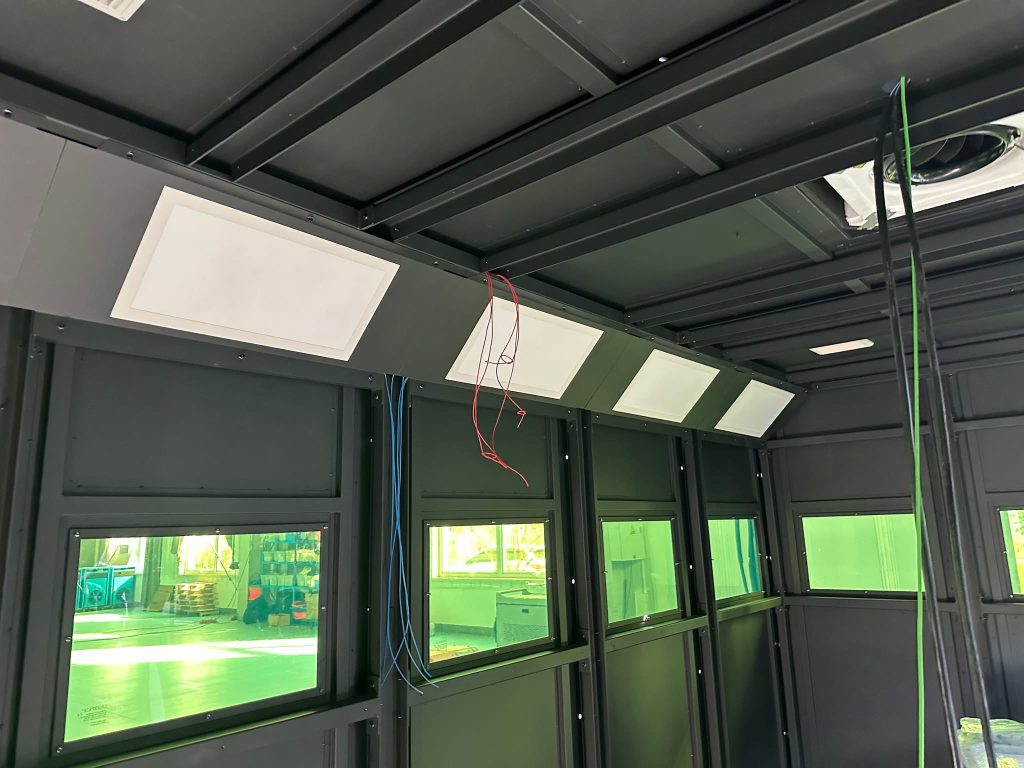
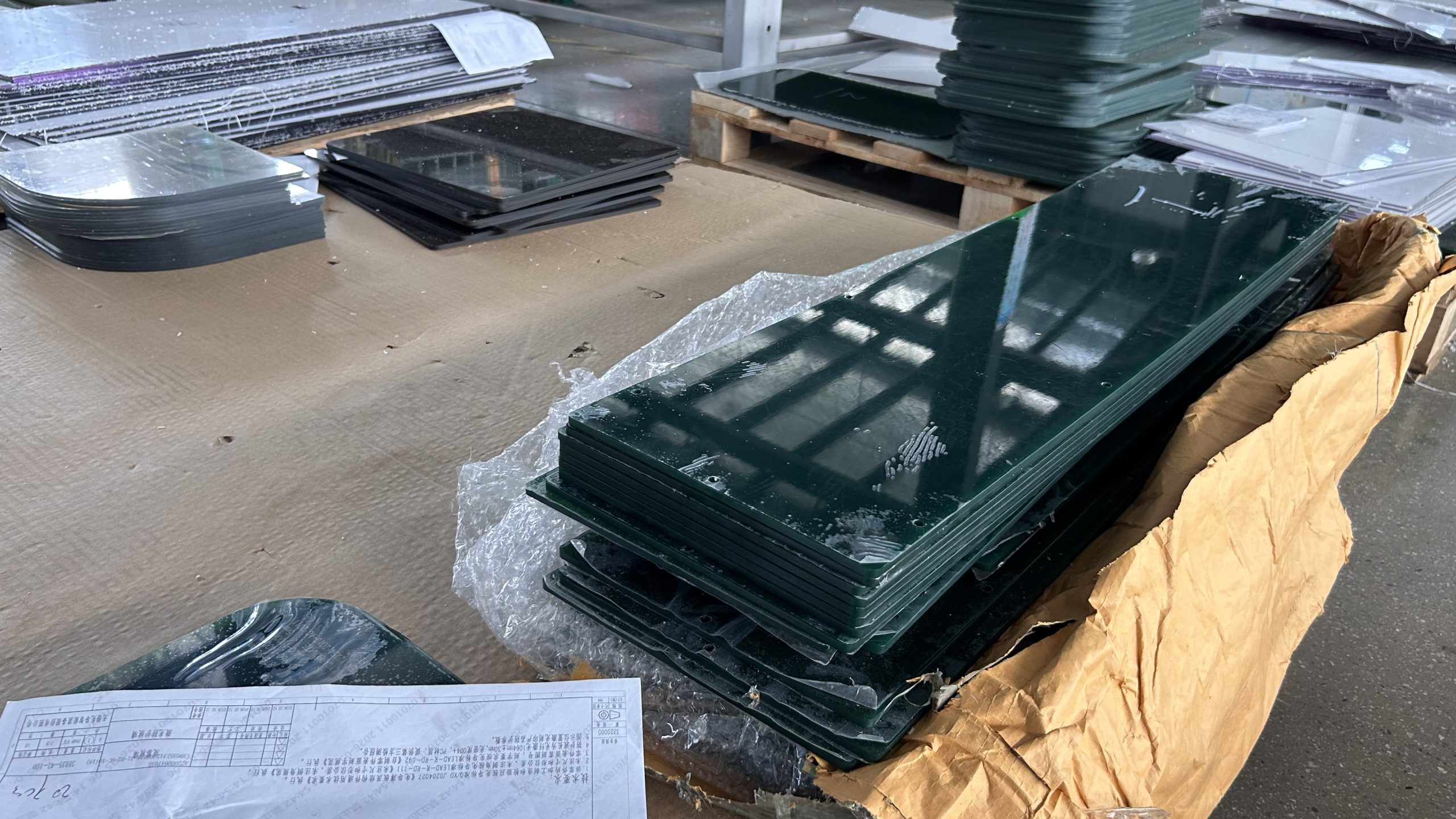
A viewing area may begin as a transparent panel.
On the equipment, it becomes part of the frame, guarding boundary, access position, cleaning routine, and inspection logic.
That is why FLOMC reviews industrial viewing structures through visibility, material surface, frame contact, access, and installation together.
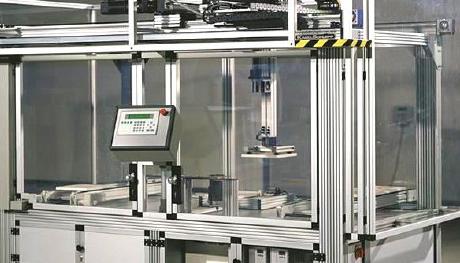
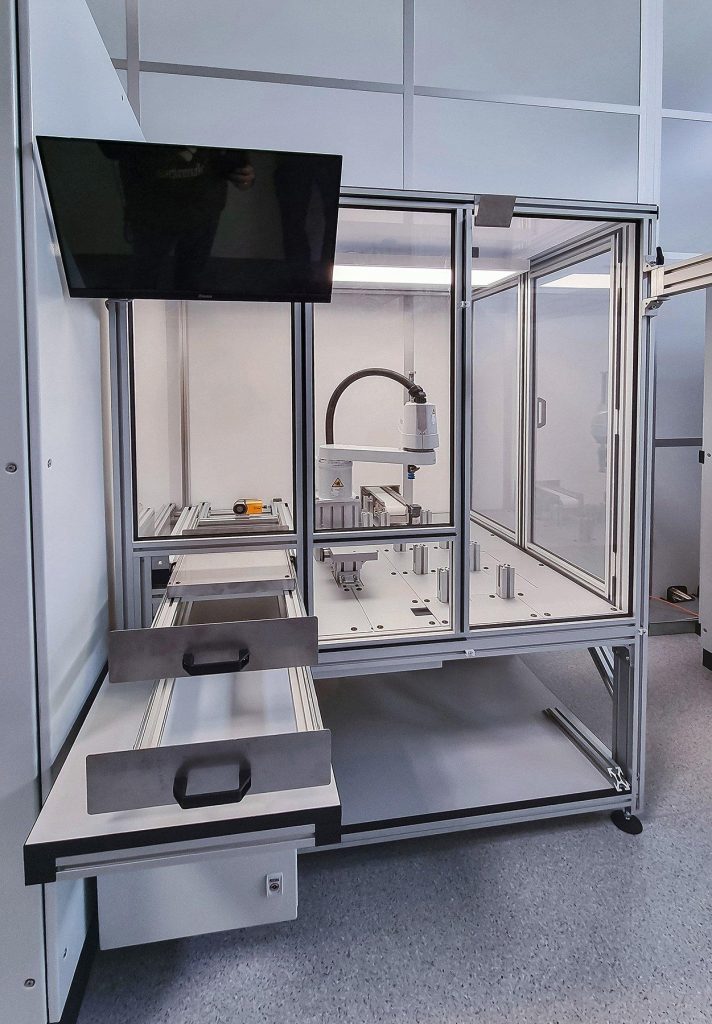
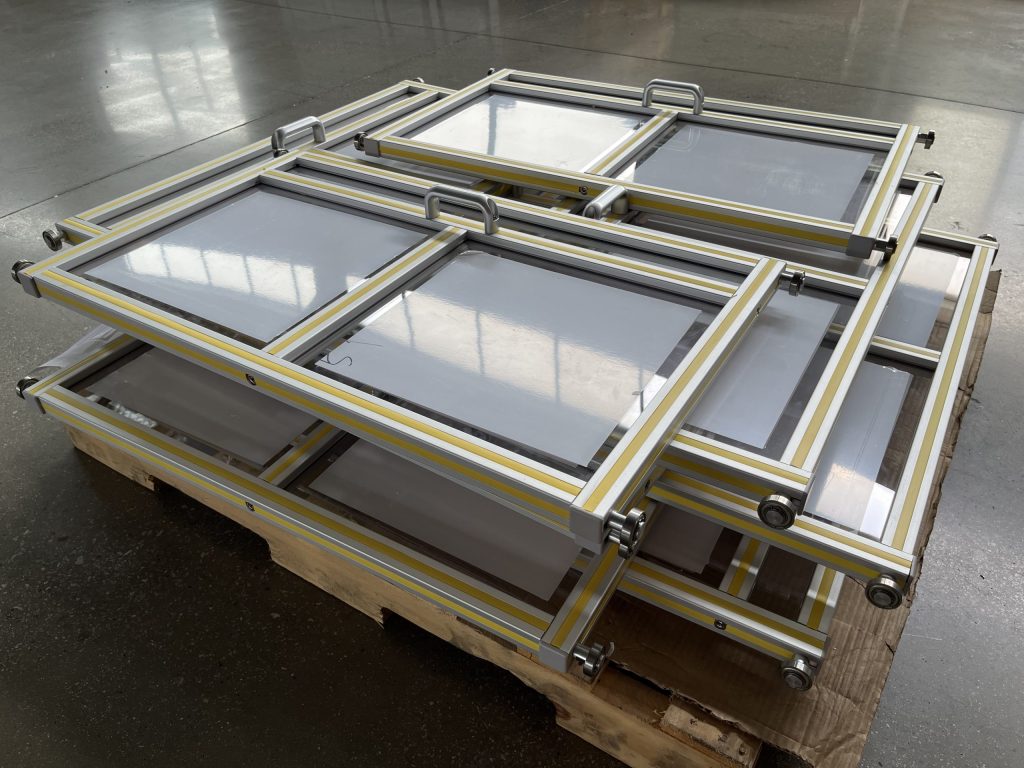
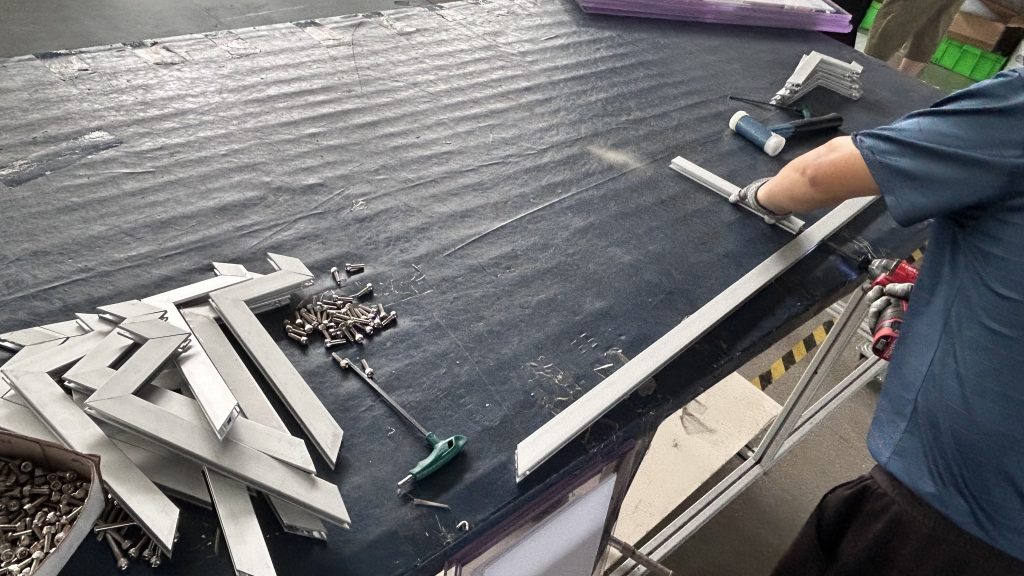
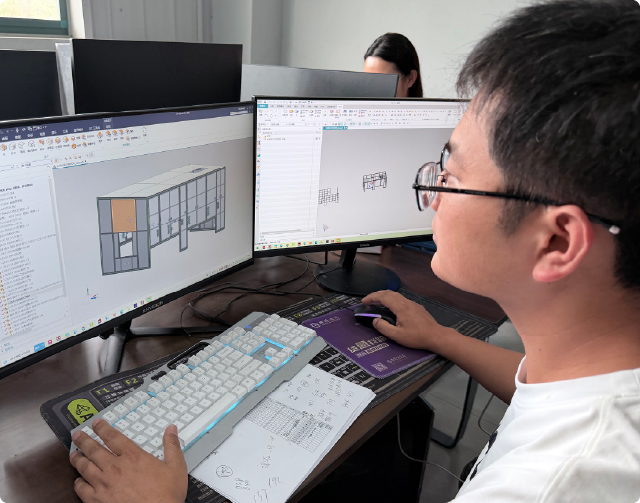
FLOMC can support your project from material selection, surface performance, panel processing, and structural development to OEM integration and installed-site adaptation.
Share the equipment context, viewing requirement, protection concern, or existing structure you are working with. We can help define the next practical direction.

English

German

Italian

Spanish