

FLOMC
Request Information
FLOMC
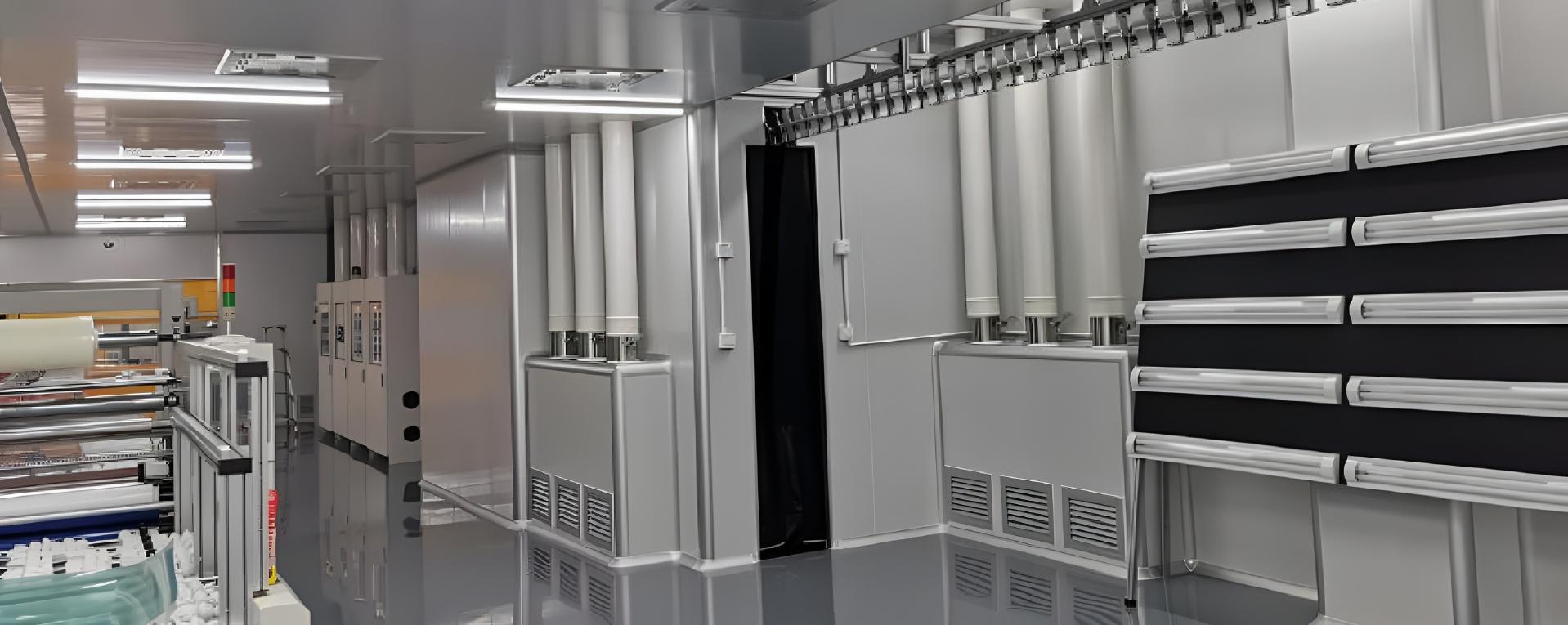
Define the hazard before selecting the viewing panel.
Bring exposure conditions, operating modes and acceptance criteria into the review of materials, frames and the installed assembly.
Identify the hazard source, its location and the possible exposure at the viewing opening. Include normal production, setup, fault recovery and maintenance conditions, as applicable.
The machine owner or responsible integrator defines the required risk reduction, applicable requirements and acceptance criteria. FLOMC can review the proposed panel and mechanical component scope against those inputs.
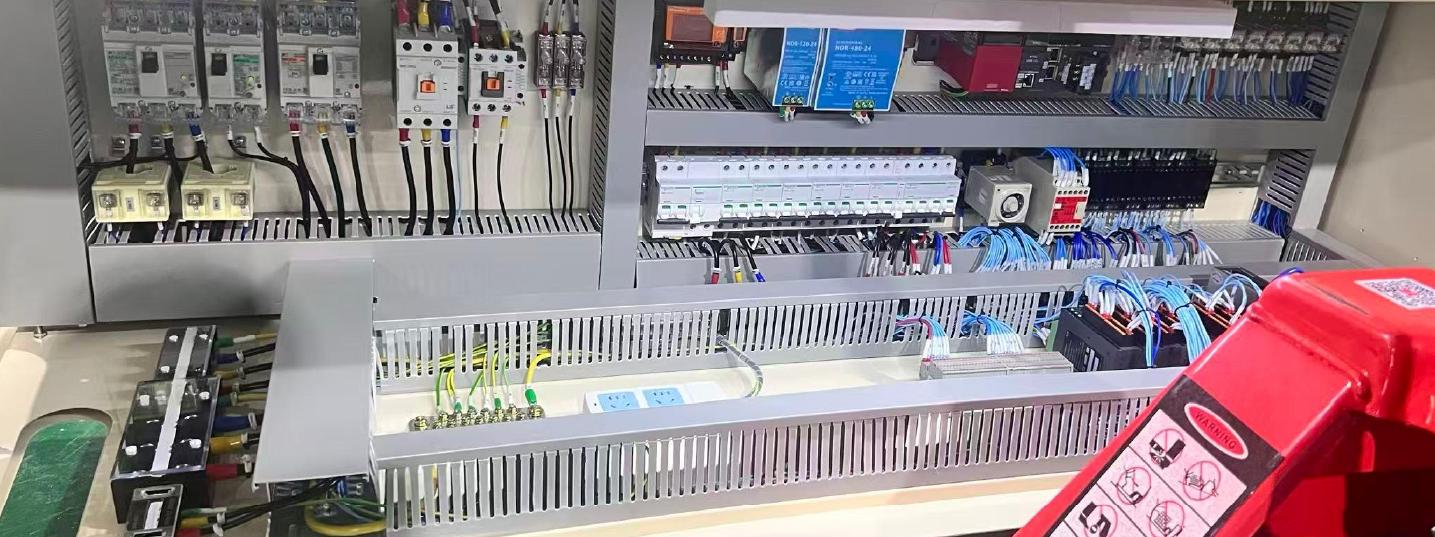
Use the assessment to connect the viewing task with the performance that must be demonstrated.

Identify the energy, material or radiation that may reach the viewing area.

Define exposure direction, duration and operating modes, including foreseeable abnormal events.

Check that reports cover the proposed material, dimensions, supports and exposure limits.

Assign responsibility for equipment integration, evidence gaps and final acceptance.
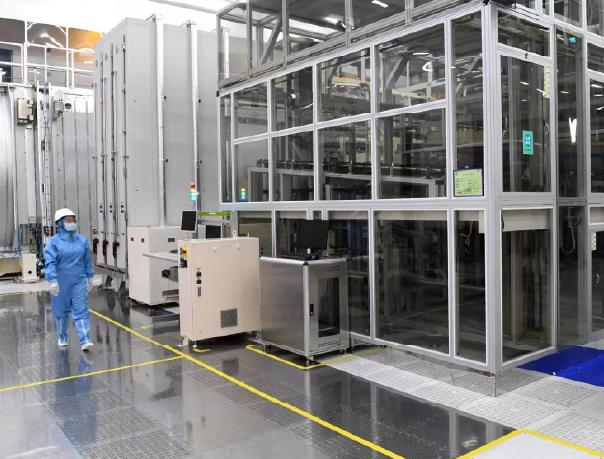
Where relevant, identify ejected objects, impact energy, heat, pressure, chemicals or optical radiation. State the source, direction, duration and distance, rather than relying on a general high-risk label.
Include foreseeable abnormal events and combined exposures in the assessment. A clear panel selected for visibility or abrasion resistance alone does not establish suitability for these hazards.
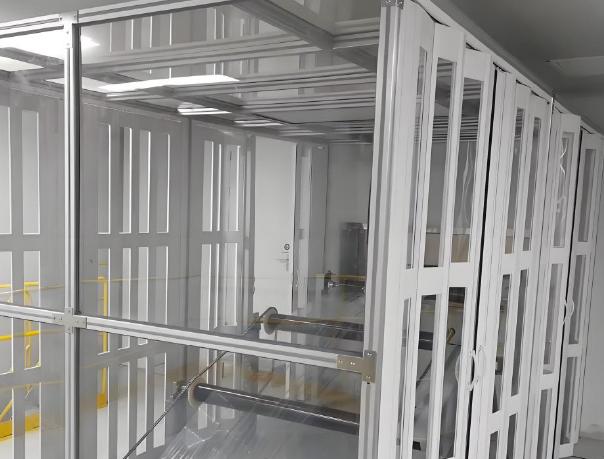
Agree what must be demonstrated before selecting a specification:
A material datasheet or test on a different specimen may not demonstrate installed performance. Record evidence gaps and the additional verification required before use.
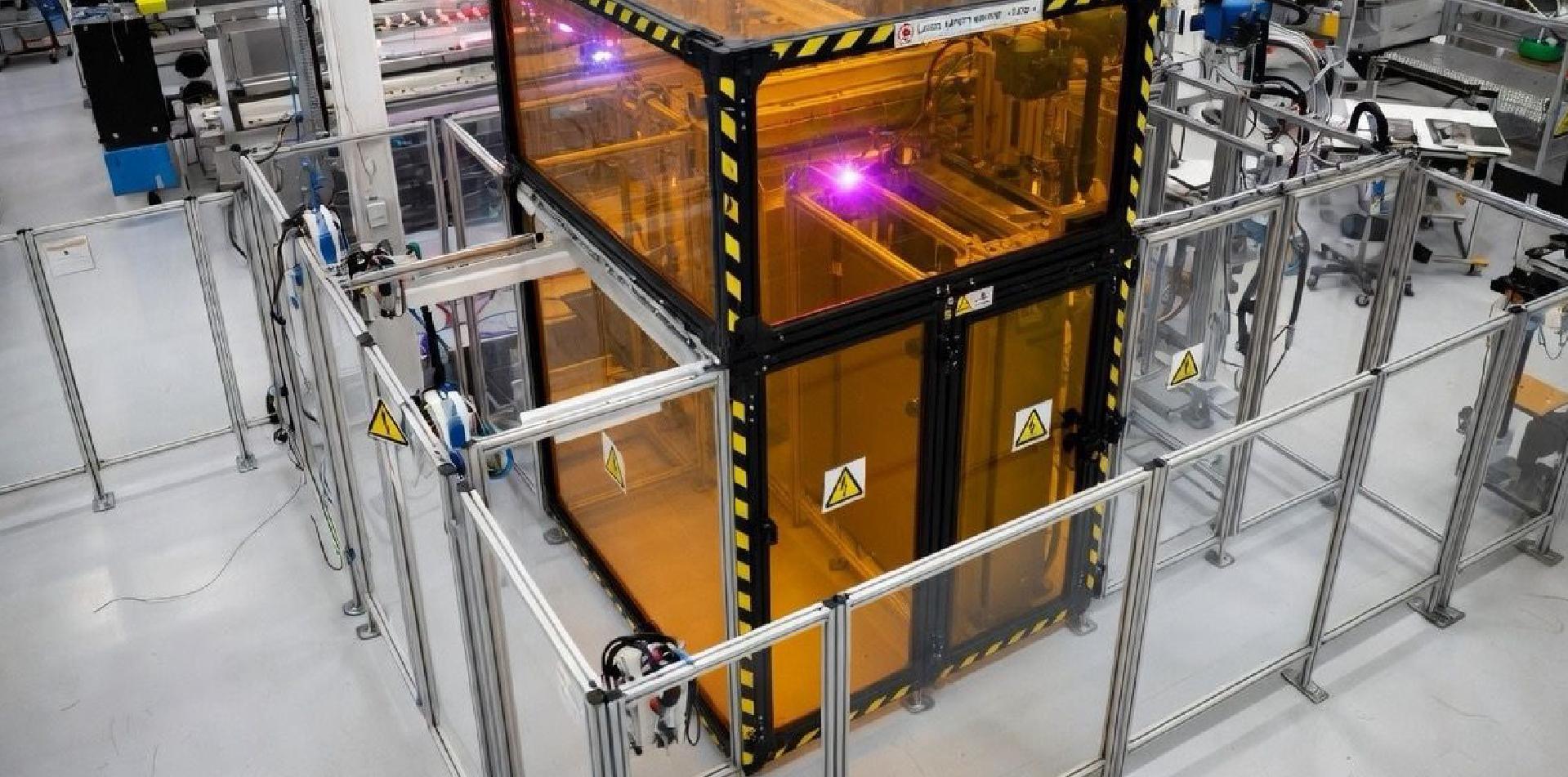
Share the relevant assessment outputs and available drawings:
FLOMC can review material and fabrication options for the defined scope. Final equipment integration and validation remain with the responsible machine team; no protection rating or certification is implied by this page.
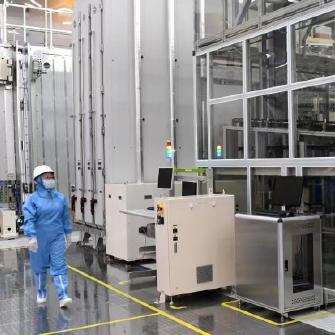
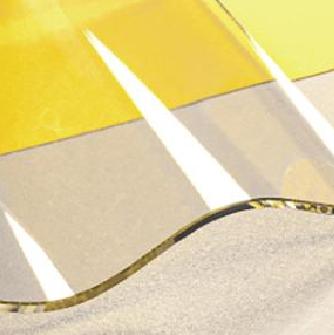
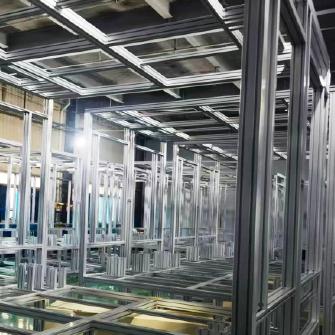
A viewing area may begin as a transparent panel.
On the equipment, it becomes part of the frame, guarding boundary, access position, cleaning routine, and inspection logic.
That is why FLOMC reviews industrial viewing structures through visibility, material surface, frame contact, access, and installation together.
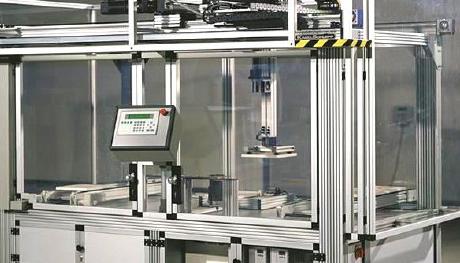
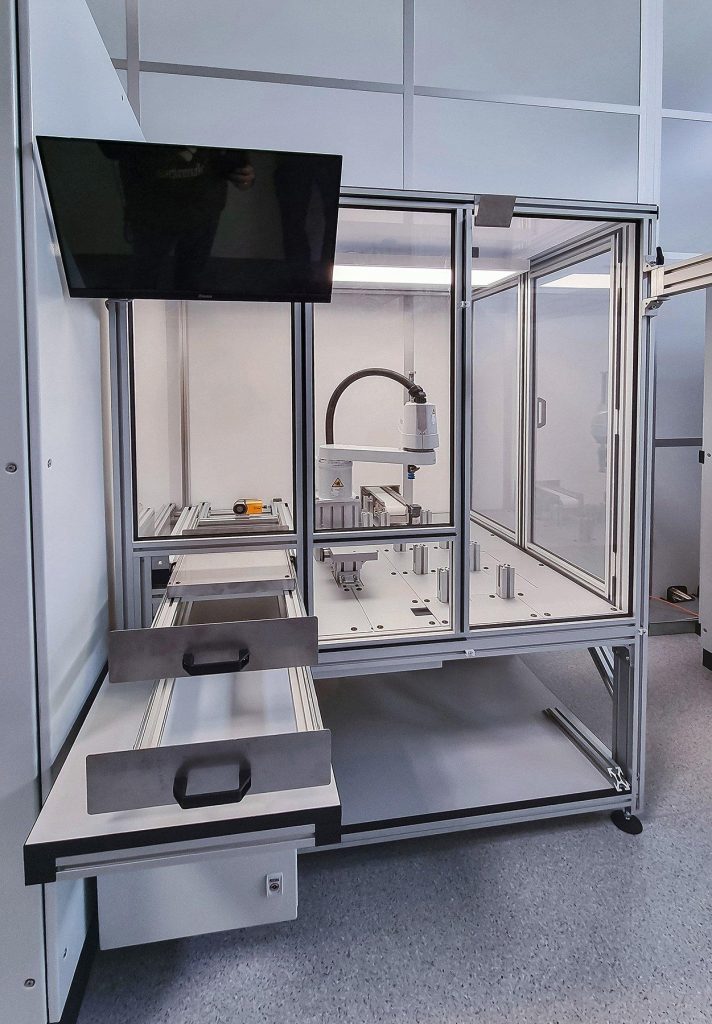
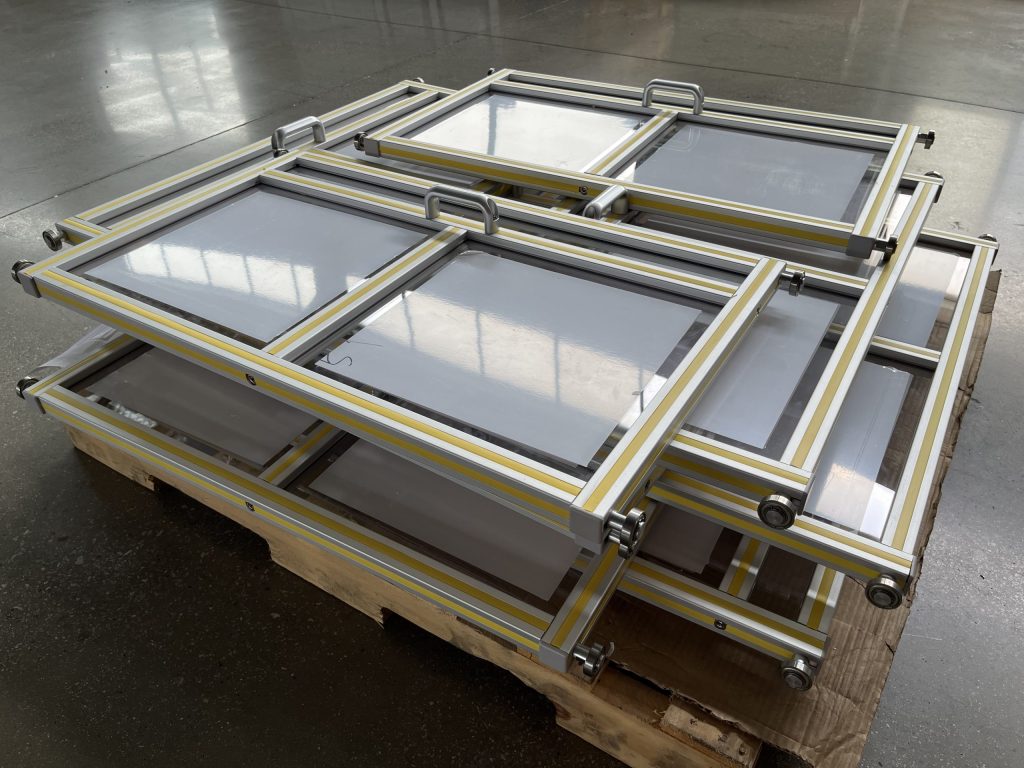
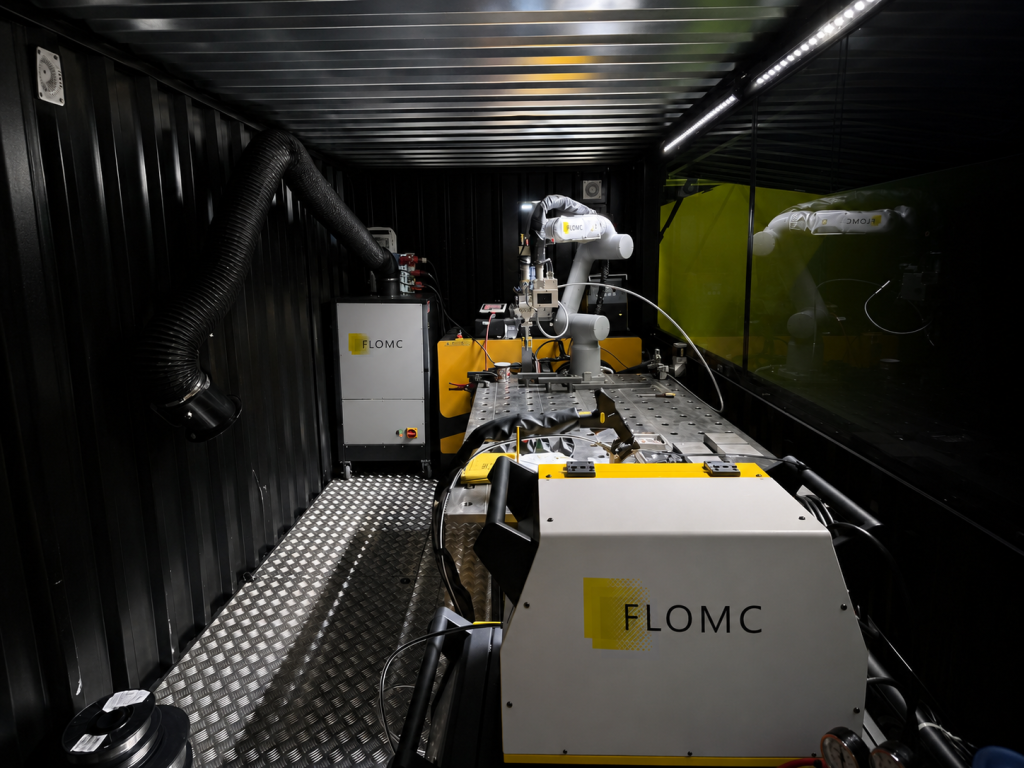
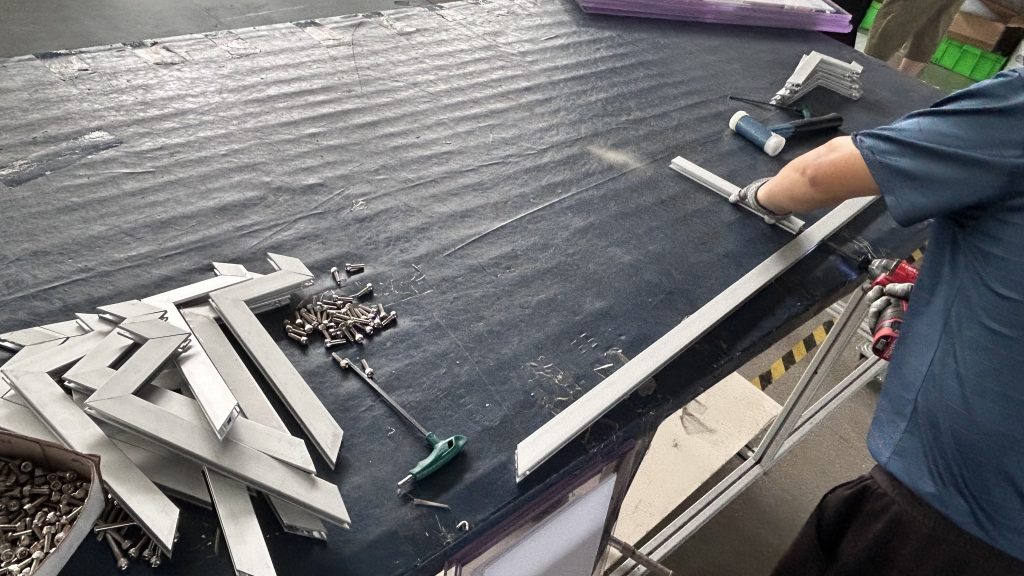
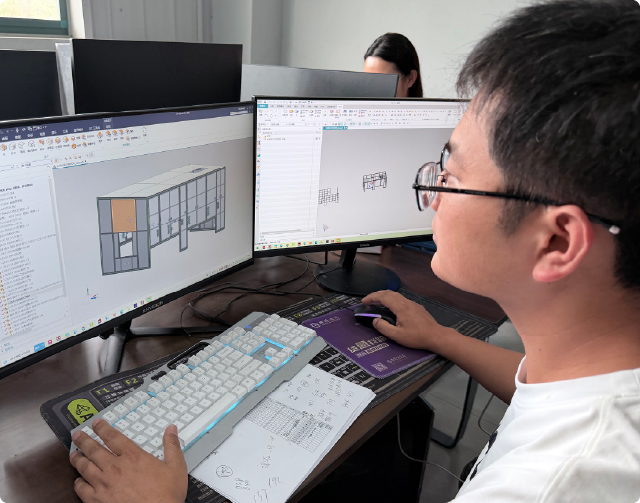
FLOMC can support your project from material selection, surface performance, panel processing, and structural development to OEM integration and installed-site adaptation.
Share the equipment context, viewing requirement, protection concern, or existing structure you are working with. We can help define the next practical direction.

English

German

Italian

Spanish