FLOMC
Request Information
FLOMC
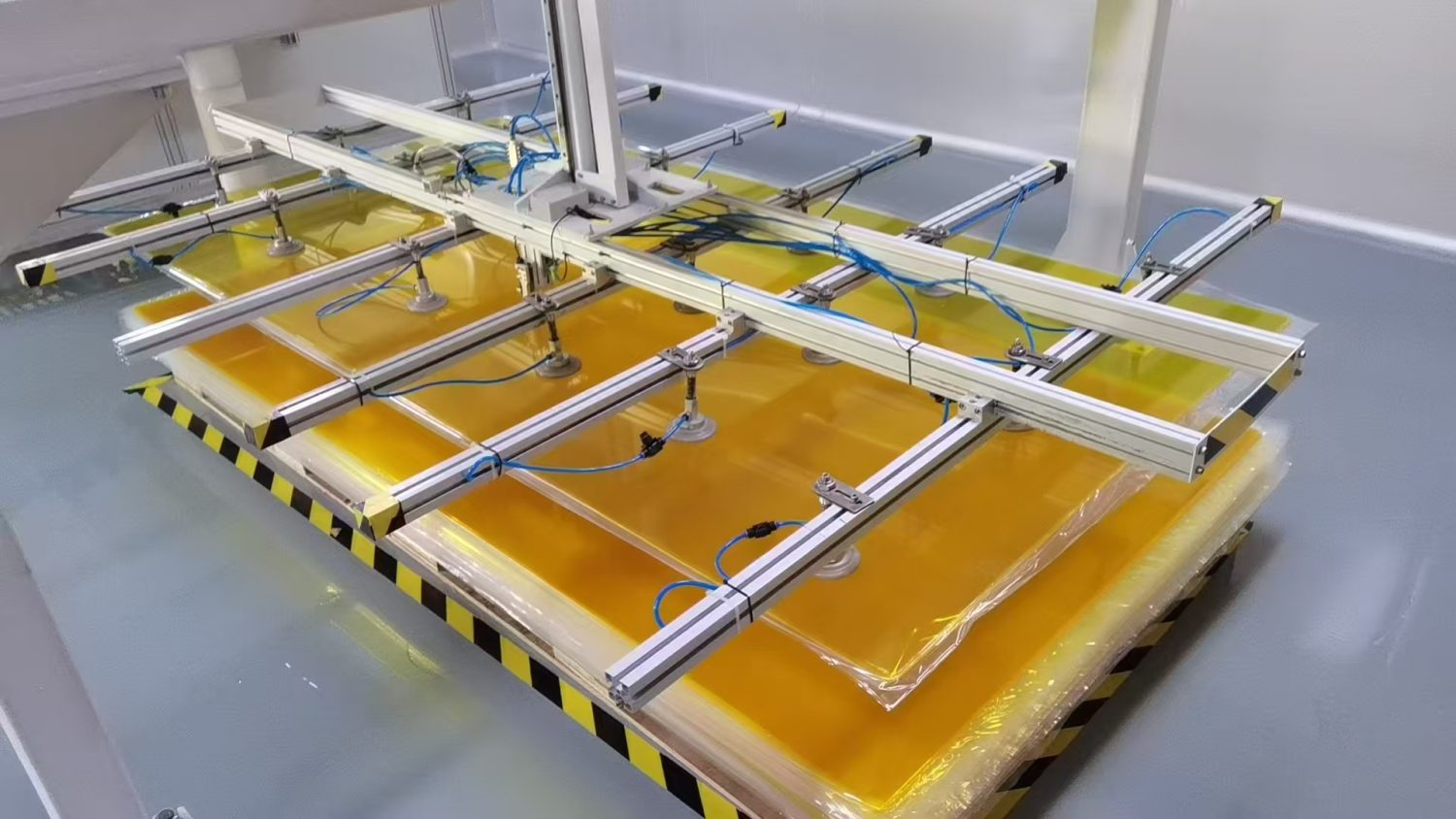
Match the transparent panel to the equipment, operating conditions and maintenance routine. FLOMC supports material selection, surface functions, processed panels and mechanical integration for industrial viewing and enclosure applications.
Images illustrate general manufacturing and integration, not verified protective performance.
Start with what the panel must let operators see and what it must withstand. Polycarbonate, acrylic and other transparent materials are not interchangeable simply because they look similar. Review the specific grade and thickness against the equipment requirements.
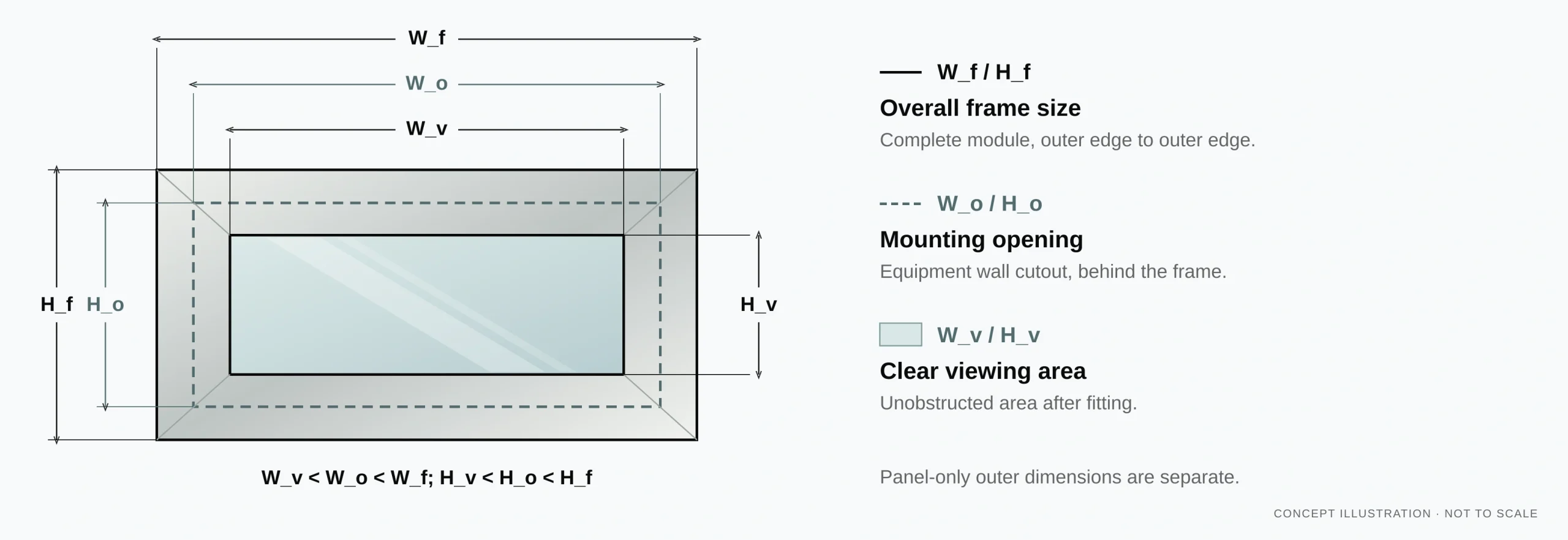
Reference geometry only. Define the opening, clear viewing area and overall panel size separately.
View full-size dimension diagram (zoom in)
A substrate may need a hard coating, static-control treatment, glare management or lamination. Specify each function separately. Review the complete construction and confirm compatible cutting, forming, bonding and edge finishing before fixing the production route.
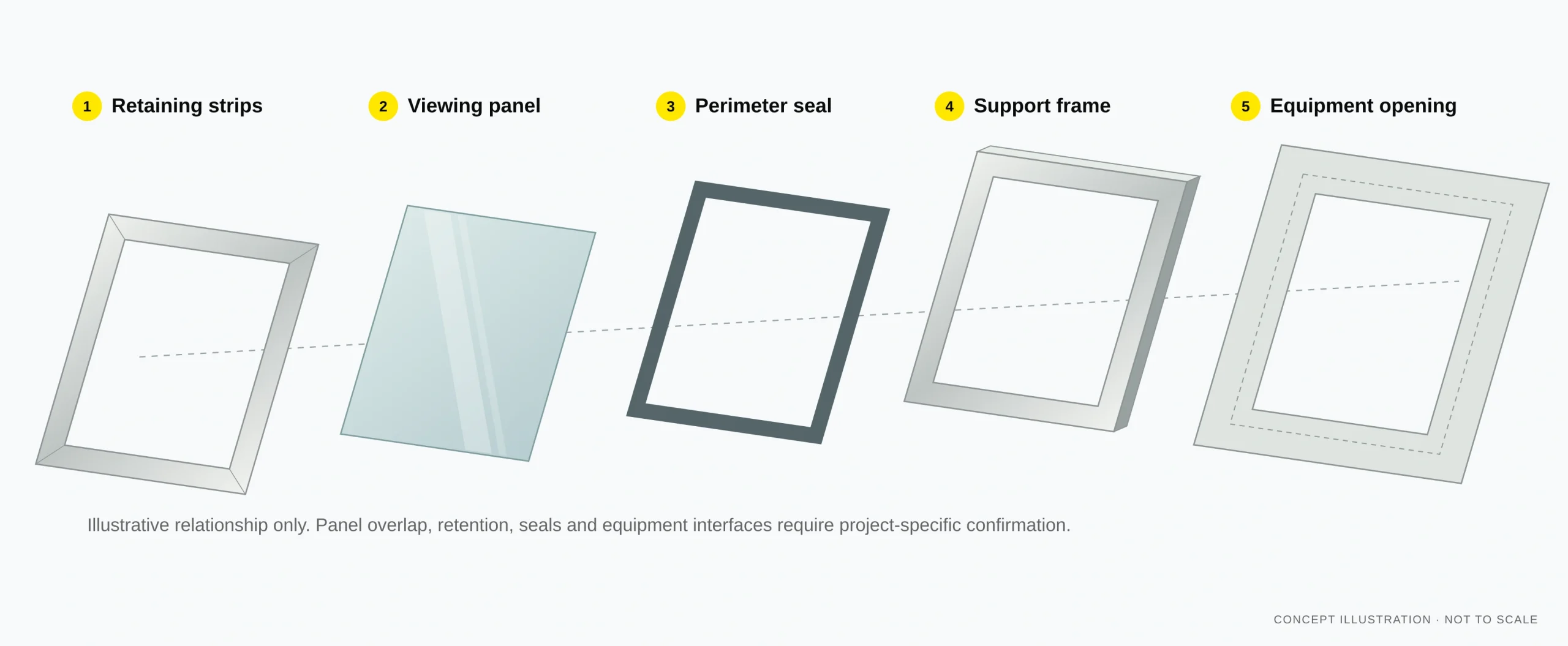
Define holes, cut-outs, edge engagement, seals and fasteners, with allowance for material movement. Include cleaning agents, contact times and frequency. Where the panel forms part of guarding, assess the complete installed assembly. This diagram illustrates general mechanical interfaces, not a validated protective design.
View full-size assembly diagram (zoom in)
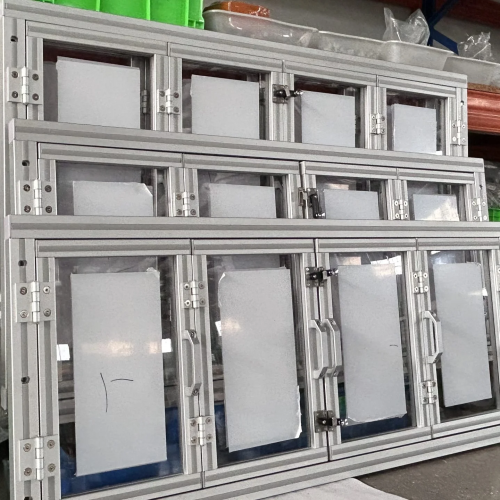
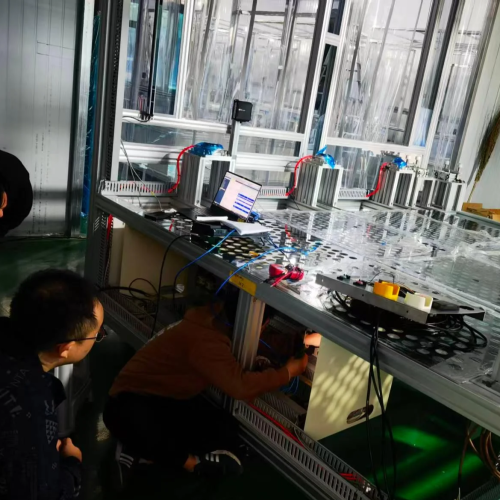
Discuss the required delivery form, from selected material to a finished mechanical assembly. Confirm availability and scope for the project. Photos illustrate general manufacturing and integration, not verified protective performance.
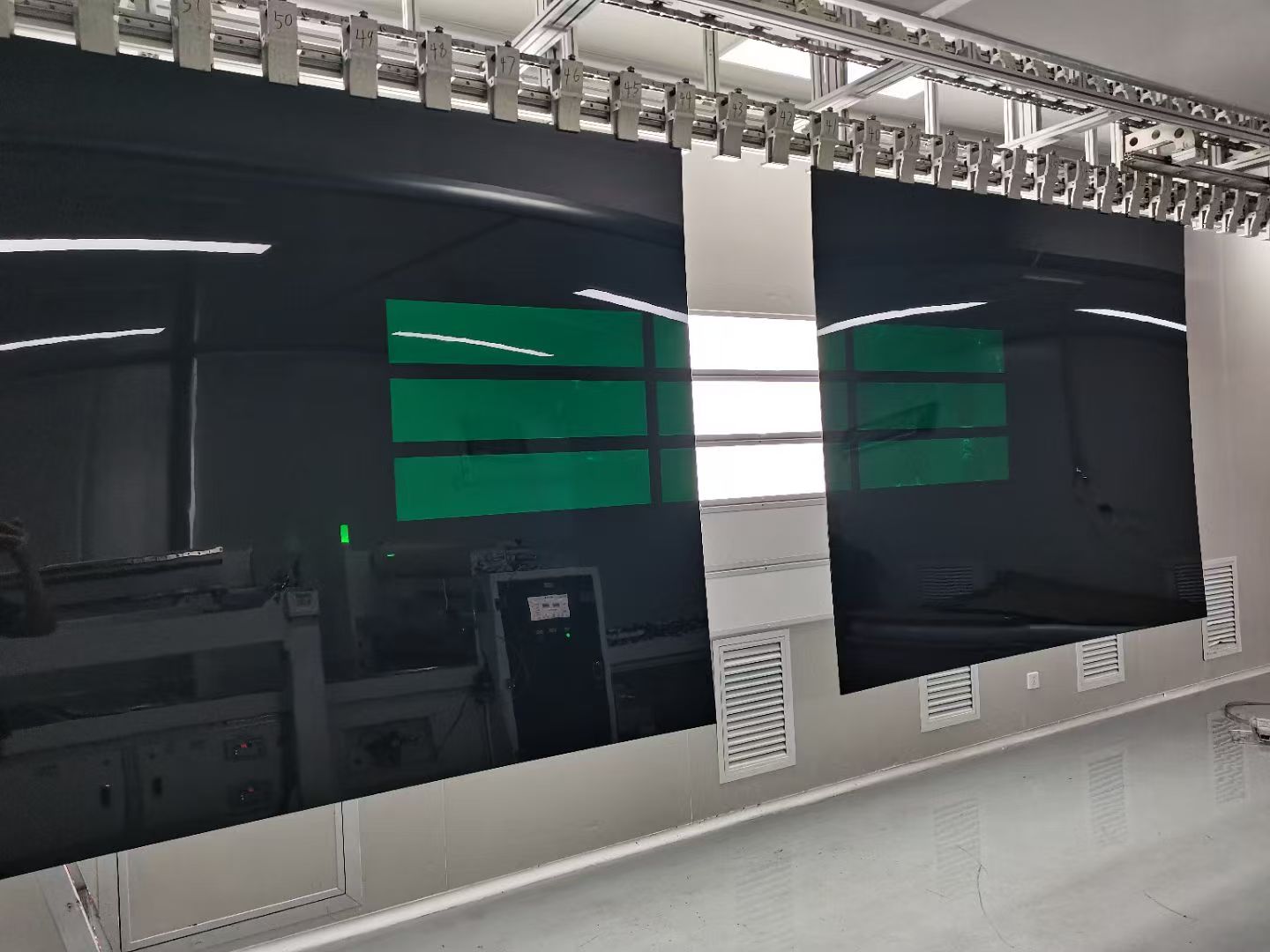
Define the material grade, thickness, surface functions and supplied format needed for evaluation or further processing. Review the proposed construction against loads, exposure and maintenance conditions.
Request a Quote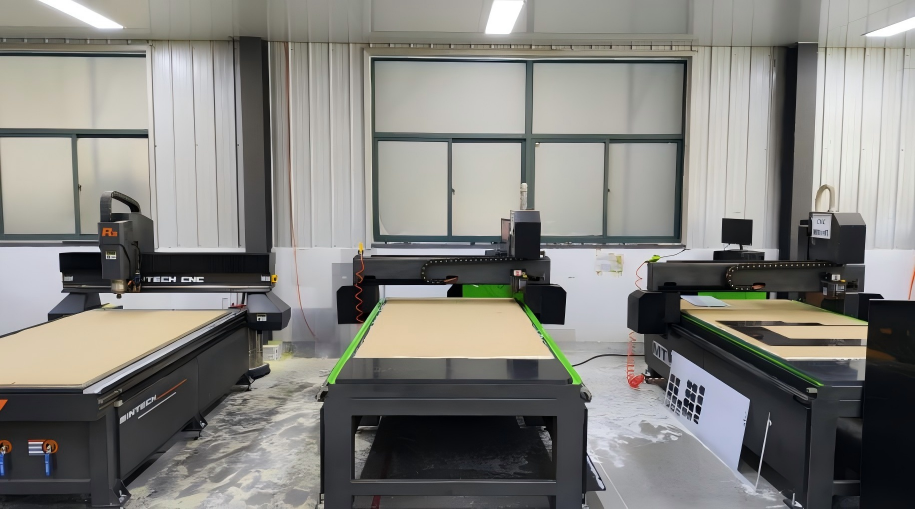
Scope panels to an agreed drawing, including the outline, clear aperture, edge treatment, holes and inspection requirements. Confirm each operation is compatible with the material and functional surface.
Request a Quote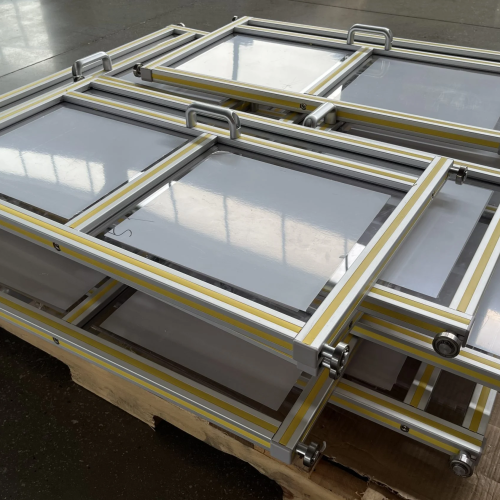
Define panel, frame and interface responsibilities together. Confirm included components, assembly checks and any separate system-validation requirements before agreeing the supply scope.
Request a QuoteThese are project inputs to confirm, not published product ratings. Agree the selected grade, test methods, conditions and acceptance criteria.
| Review Item | Required Input | Method | Conditions | Status |
|---|---|---|---|---|
| Equipment task | Viewing and enclosure requirements | Application review | Loads, lighting and viewing geometry | To confirm |
| Grade and thickness | Mechanical and service requirements | Relevant grade data | Load, span, temperature and exposure | To confirm |
| Material construction | Substrate, coating and laminate | Compatibility review | Temperature, exposure and processing | To confirm |
| Panel geometry | Outline, aperture, holes and tolerances | Drawing review | Frame, seals and mountings | To confirm |
| Viewing performance | Clarity and finish criteria | Sample review | Thickness, lighting and viewing task | To confirm |
| Processing and cleaning | Drawing and maintenance routine | Before/after checks | Process, cleaner and cleaning cycles | To confirm |
Confirm the processing route, clear viewing area and inspection responsibilities.
| Supply Form | Information Required | Scope to Agree | Status |
|---|---|---|---|
| Material | Grade, thickness and finish | Supplied format and supporting evidence | To confirm |
| Processed panel | Drawing, clear aperture and process | Finished-panel inspection requirements | To confirm |
| Agreed assembly | Frame, interfaces and components | Assembly and installed verification scope | To confirm |
Compare specific grades and constructions. A material name, thickness or impact-related property alone does not establish a suitable machine guard. Assess the complete assembly against the actual hazard; confirm specialist functions separately.
Include the equipment task, drawing, quantity and preferred delivery form. Share loads, exposure, cleaning conditions and any required surface functions.
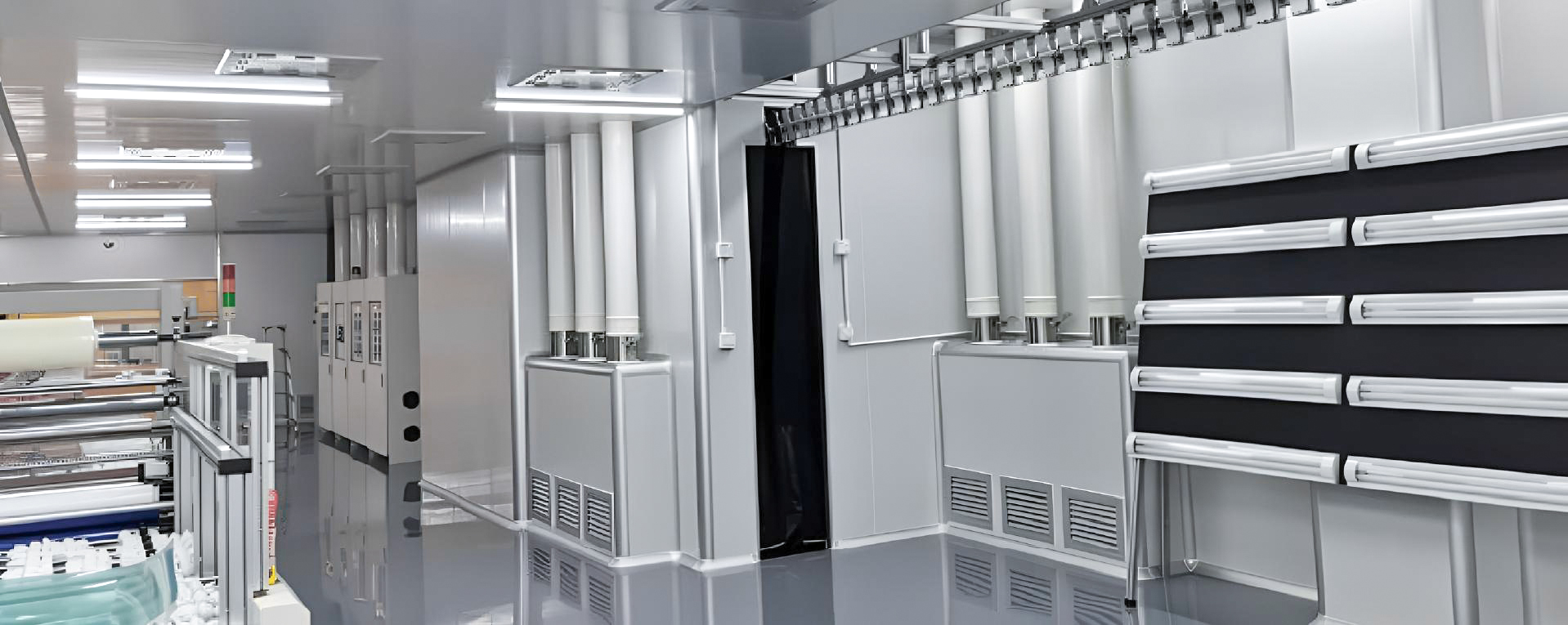
FLOMC operates its own coating line, allowing surface requirements to be coordinated with transparent-material selection and panel fabrication. The need for a coating, its compatibility and the verification scope are defined for the selected construction and service conditions.
Compare specific grades against the viewing task, loads, temperature and chemical exposure. For demanding service, agree representative sample checks before approving the part.
Define the required surface functions and how they will be evaluated. A hard coating, static-control treatment, glare treatment or laminate should be specified for its purpose, not assumed to provide every benefit.
Use construction-specific cleaners, wipes and handling procedures. Include contact time and cleaning frequency. Avoid abrasive contact and unsuitable chemicals that can damage the viewing surface.
Agree drawings, quantity, supplied components and acceptance criteria before finalizing the scope.
Review the viewing task and surrounding equipment before defining the panel. Industrial windows, covers and inspection areas can require different materials, surface functions and mounting details.
Maintain a useful view of equipment processes or indicators while defining the cover geometry, service exposure and cleaning routine. Agree clear viewing area, panel finish, access and replacement needs.
Coordinate the material with frame support, seals and fasteners. Where the panel is part of machine guarding, assess the complete assembly against the hazard rather than relying on a material name or thickness alone.
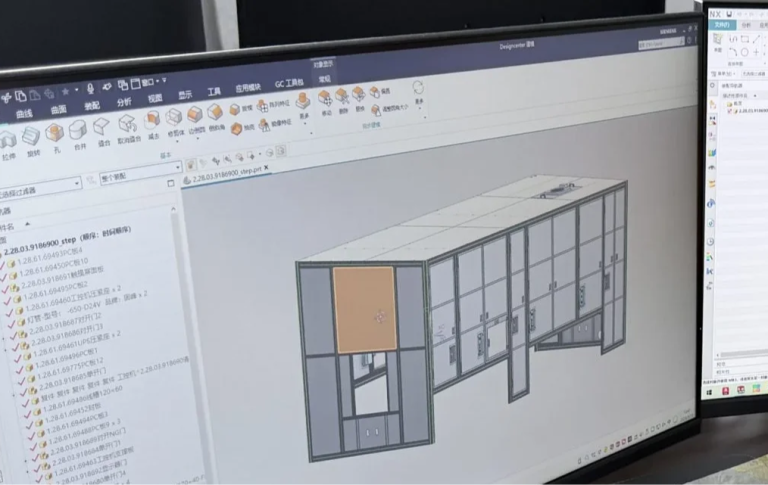
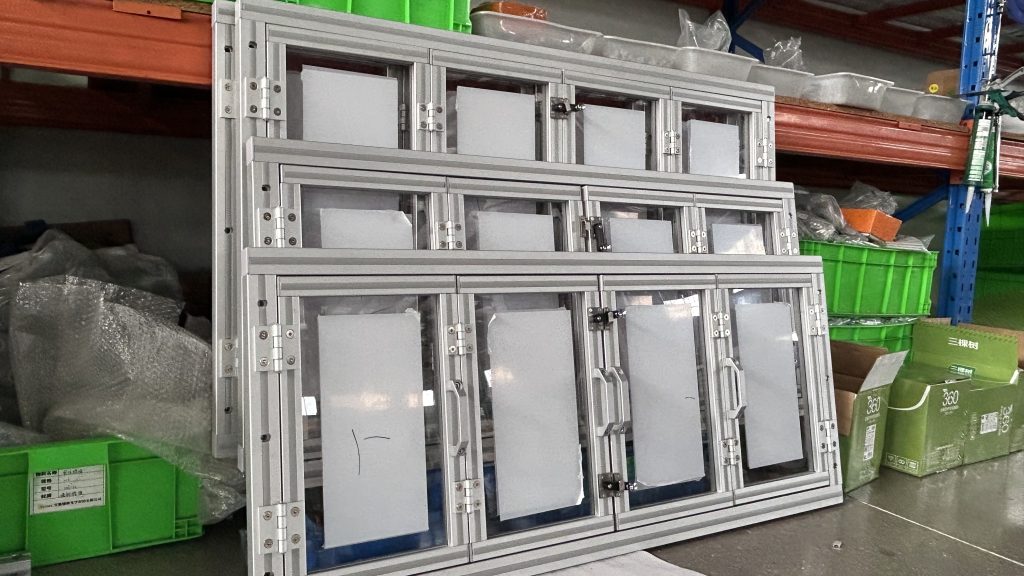
General enclosure-design context
Send your drawing, quantity, operating conditions and preferred delivery form.
Choose against the viewing task, loads, temperature, chemicals and processing needs. Compare specific grades rather than selecting by appearance alone.
No. Thickness is only one design factor. Material behavior, unsupported span, mounting and the actual hazard all matter.
Yes—share the drawing and required supply scope. Processing, surface functions and assembly requirements need confirmation for the selected construction.
FLOMC can support your project from material selection, surface performance, panel processing, and structural development to OEM integration and installed-site adaptation.
Share the equipment context, viewing requirement, protection concern, or existing structure you are working with. We can help define the next practical direction.

English

German

Italian

Spanish