FLOMC
Request Information
FLOMC
Keep the process visible while addressing static-related requirements. Connect material selection, surface treatment, fabrication and installation with the electrical behavior and service conditions defined for your equipment.
The term anti-static does not by itself define a resistance range or establish suitability for an ESD-controlled installation. Review the electrical behavior required by the process alongside visibility, processing and service conditions.
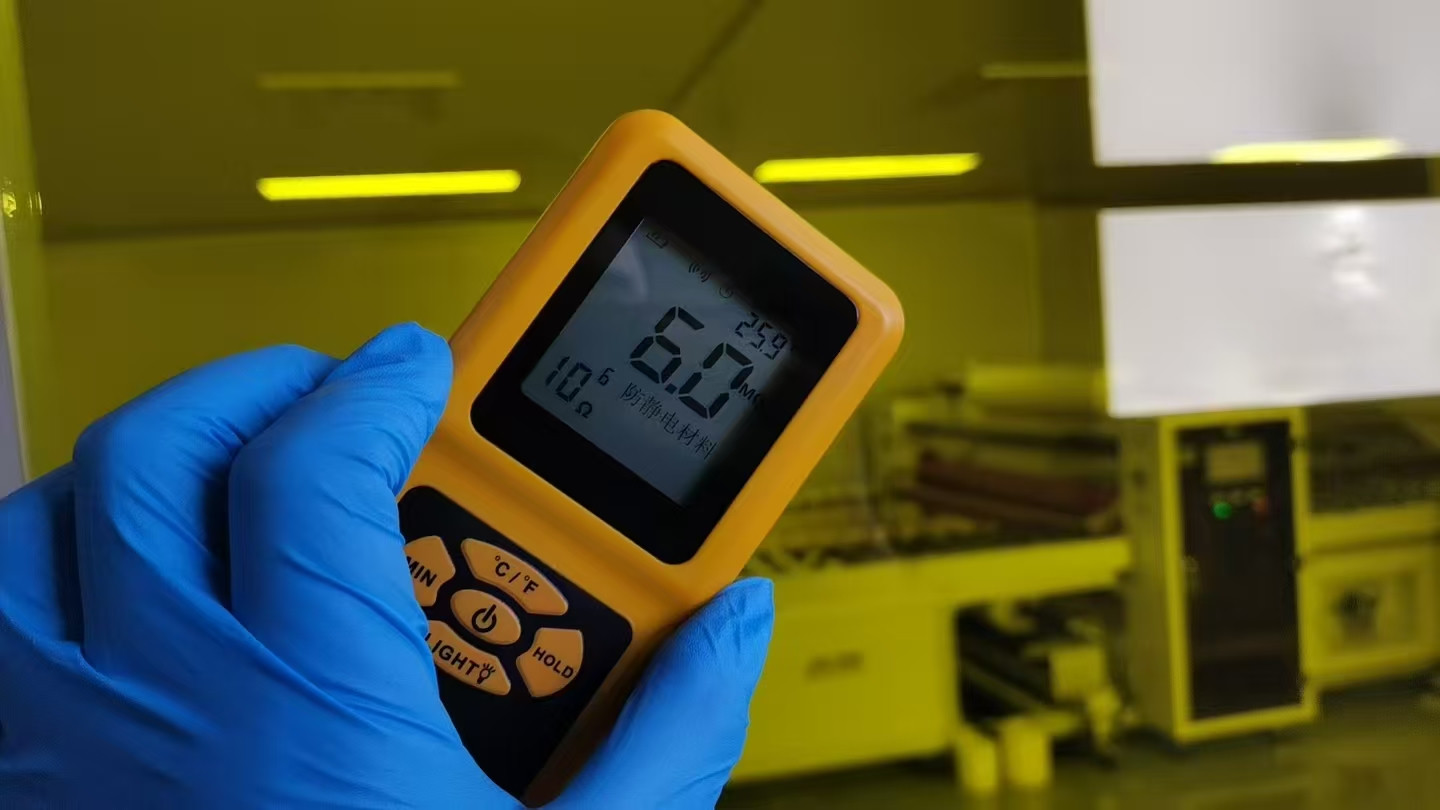
Cut edges, holes, bends, adhesives, gaskets and protective films can affect a functional surface or its electrical continuity. Confirm permitted operations, treated faces and contact details before finalizing the drawing. A treatment for flat panels may not tolerate heat forming.
Where bonding or grounding is required, follow the equipment design requirements and verify the finished installation. Contact with a metal frame alone does not demonstrate a suitable electrical path. Review the assembly with the wider ESD-control measures.
Discuss the required delivery form. Availability, processing and assembly scope remain subject to project confirmation.
Confirm the grade, dimensions, treated surfaces and available documentation for evaluation or further processing. Electrical behavior and handling requirements are grade-specific.
Request a QuotePrepare panels against an agreed drawing. Review cutting, holes, edges and other operations for compatibility with the selected material, functional surface and connection areas.
Request a QuoteInclude frames or mounting components only where agreed in the project scope. Define contact locations, connection responsibilities and the required finished-installation checks.
Request a QuoteThese are project inputs to confirm, not published product ratings. Agree the selected grade, test methods, conditions and acceptance criteria.
| Review Item | Required Input | Method | Conditions | Status |
|---|---|---|---|---|
| Electrical behavior | Required behavior and limits | Grade evidence | Method and conditioning | To confirm |
| Surface measurement | Quantity and acceptance limits | Agreed test | Electrodes, voltage, temperature and humidity | To confirm |
| Charge behavior | Charging or decay criteria | Agreed evaluation | Process and exposure | To confirm |
| Installed path | Connections and test points | Assembly checks | Contacts, frame and mountings | To confirm |
| Viewing performance | Clarity and finish criteria | Sample review | Thickness, lighting and viewing task | To confirm |
| Processing and cleaning | Drawing and maintenance routine | Before/after checks | Process, cleaner and cleaning cycles | To confirm |
Confirm the processing route, connection details and verification responsibilities.
| Supply Form | Information Required | Scope to Agree | Status |
|---|---|---|---|
| Material | Grade, thickness and treated faces | Supplied format and supporting evidence | To confirm |
| Processed panel | Drawing, process and contact areas | Finished-panel inspection requirements | To confirm |
| Agreed assembly | Frame, contacts and components | Connection and installed verification scope | To confirm |
Surface resistance, surface resistivity and resistance to ground are different measurements; state the quantity, method and conditions. Do not infer conductive, dissipative or insulating classification from the anti-static label alone. No permanent effect, explosion protection, electric-shock protection or ESD compliance is established here.
Include the application, electrical specification, drawing, quantity and cleaning routine. Share connection details and the equipment verification requirements.
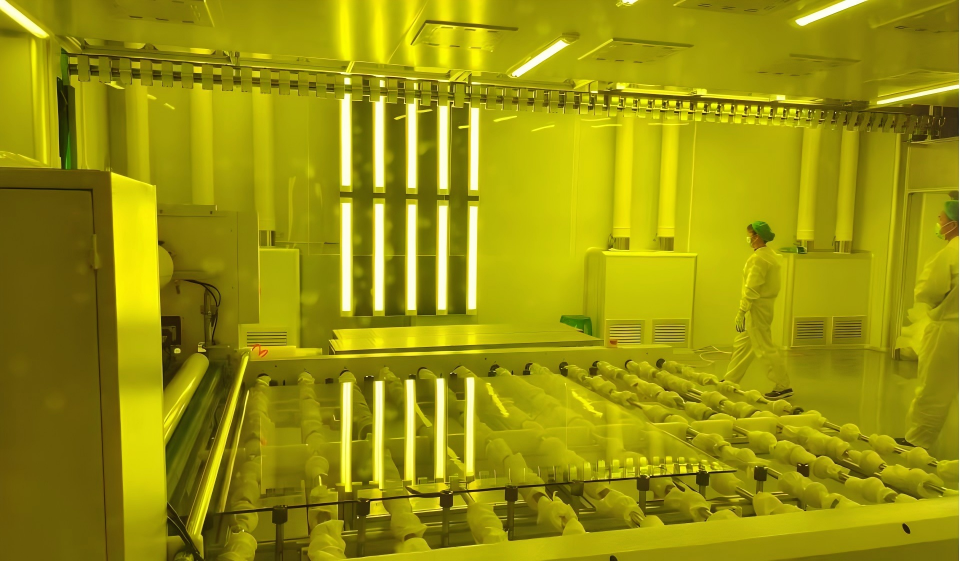
FLOMC's in-house coating line provides direct coordination of functional-surface requirements with material selection and panel fabrication. Confirm the applicable process, resistance requirements and installation conditions for the selected construction.
Review the selected grade under the relevant temperature, humidity and viewing conditions. Do not assume every treatment is permanent or humidity-independent.
Connect the electrical requirement to a defined measurement, recorded conditions and acceptance criteria. Check the complete installation where the design requires it.
Use grade-approved cleaners, wipes and procedures. Avoid abrasion, unapproved solvents or sprays, and residues. Agree appearance and electrical checks after representative cleaning exposure.
Agree drawings, quantity, supplied components and acceptance criteria before finalizing the scope.
Consider transparent materials where surface charging can affect a sensitive process or attract particles. These are application review examples, not evidence of suitability or compliance.
Viewing windows and access covers around ESD-sensitive work may require visual access and defined electrostatic behavior. Review the panel as part of the complete equipment control arrangements.
Review charge accumulation, contamination and routine cleaning around inspection or handling processes. Confirm the actual process requirements; the material name does not establish cleanroom classification or particle-control performance.
Review the electrical requirement, service conditions and installation details before specifying an anti-static panel.
It depends on the material and control strategy. If charge dissipation relies on grounding, the connection must be designed and verified; the product name alone is insufficient.
Use the requirement defined for your process or equipment. State the measurement method and conditions as well as the target, rather than selecting an isolated number.
Durability varies by treatment. Confirm approved cleaners and review performance after the intended cleaning cycle instead of assuming a lifetime effect.
FLOMC can support your project from material selection, surface performance, panel processing, and structural development to OEM integration and installed-site adaptation.
Share the equipment context, viewing requirement, protection concern, or existing structure you are working with. We can help define the next practical direction.

English

German

Italian

Spanish