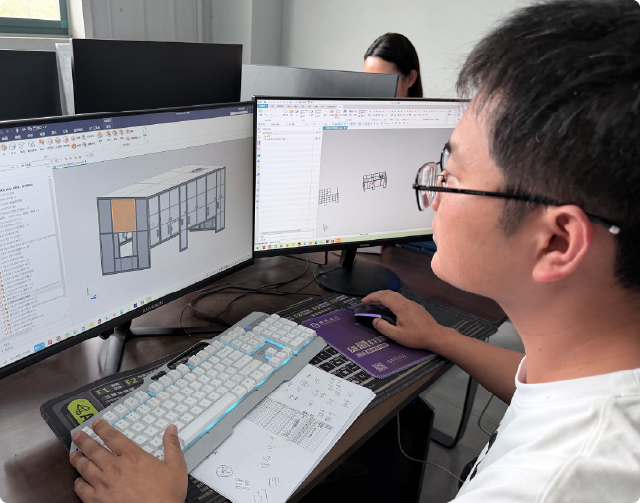
All of our laser safety training is now available online


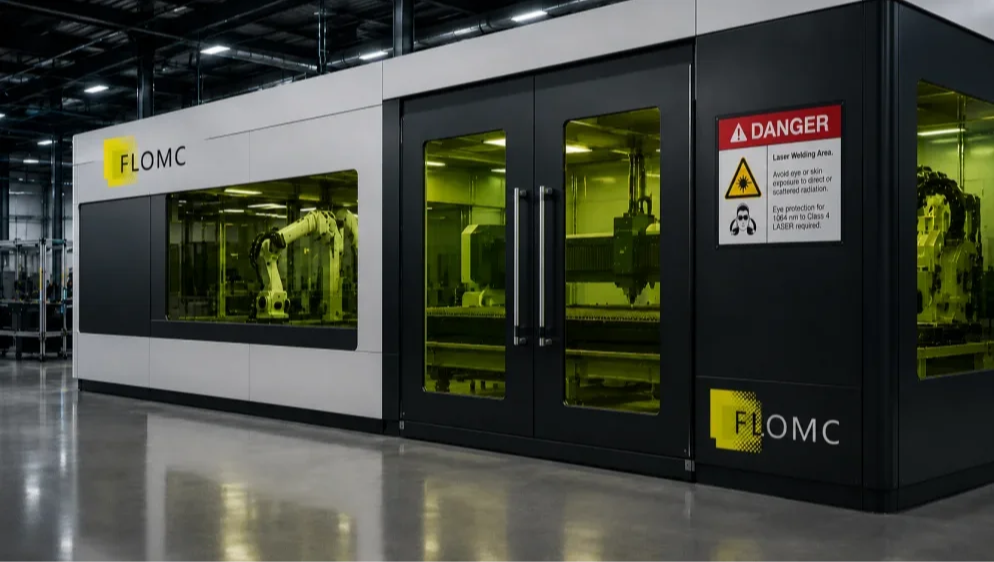
Safety Separation Structures
Laser Safety Separation Systems for Automation Equipment
Localized frame-and-panel protection developed around defined equipment areas, access points, viewing zones, and machine movement.
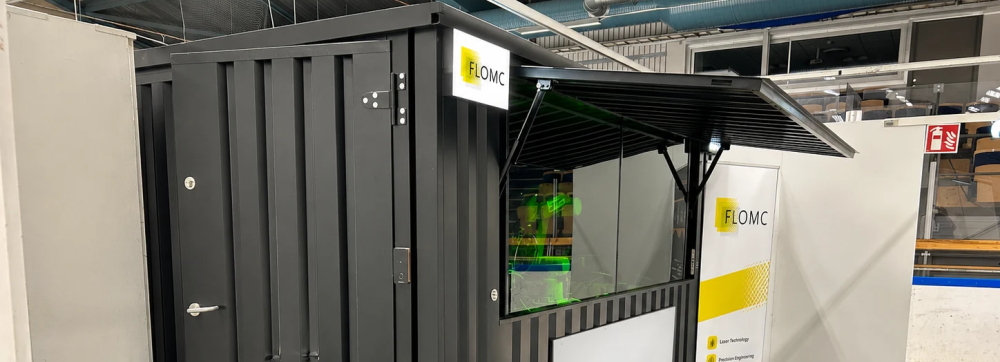
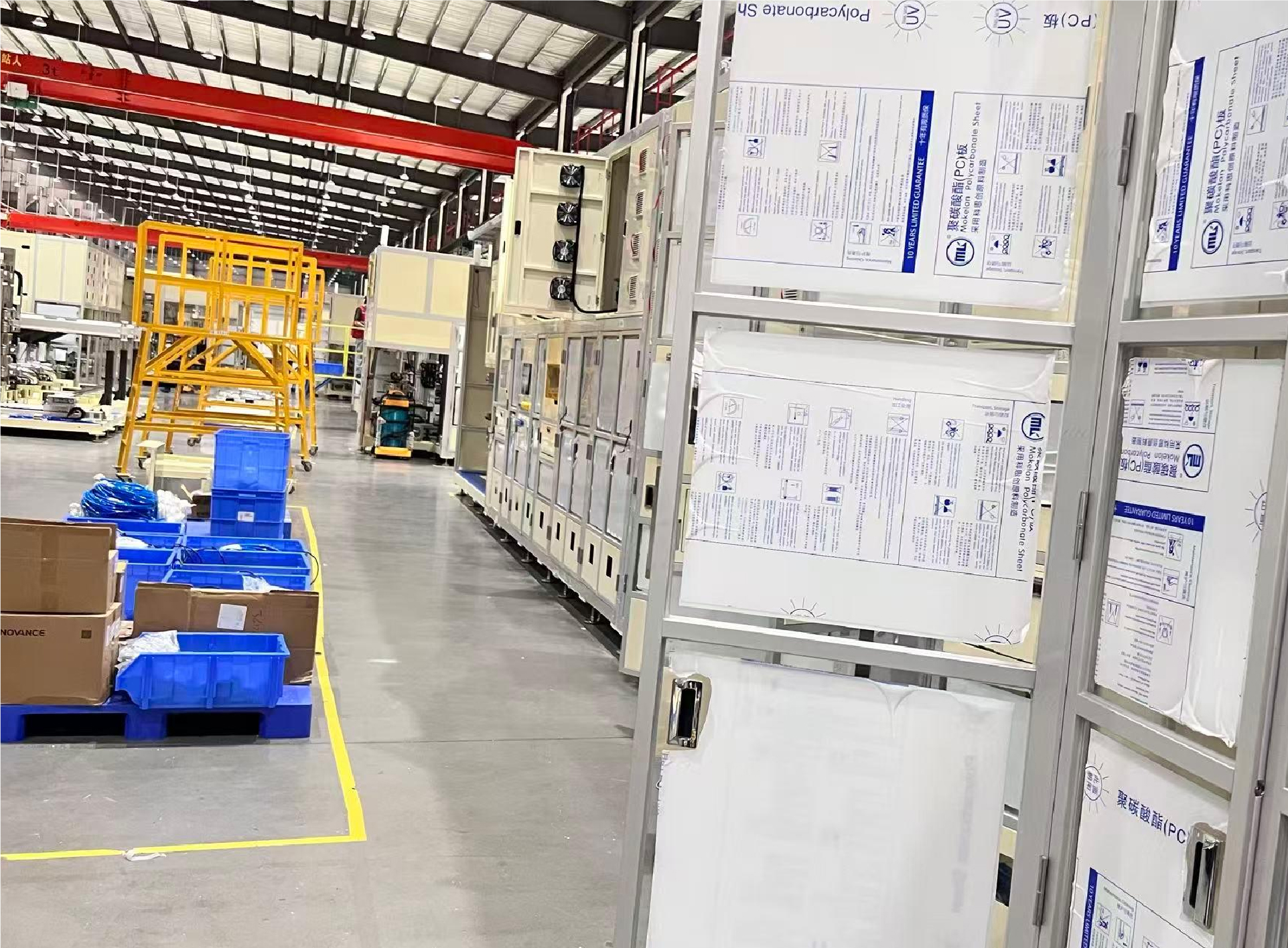
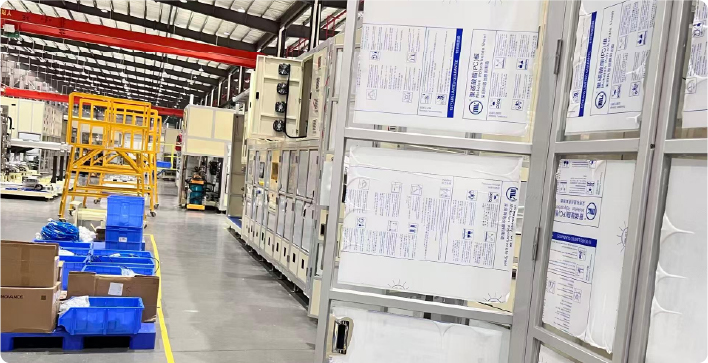
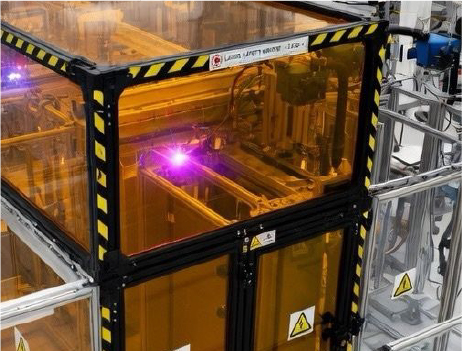
FLOMC develops and supplies localized and semi-enclosed laser protection structures that combine shielding panels, transparent viewing areas, profile frames, door assemblies, and equipment interfaces within one coordinated build.
Tranparent structure
Beyond a Single Panel
Local shielding begins to take structural form when protection has to continue across more than one side of the equipment.
Frames, adjoining panels, transparent areas, doors, and access points begin to operate as one boundary rather than as separate components.
-
 Multi-Side Coverage
 -
Continuous Shielding
-
Transparent Viewing Areas
-
Access and Machine Movement
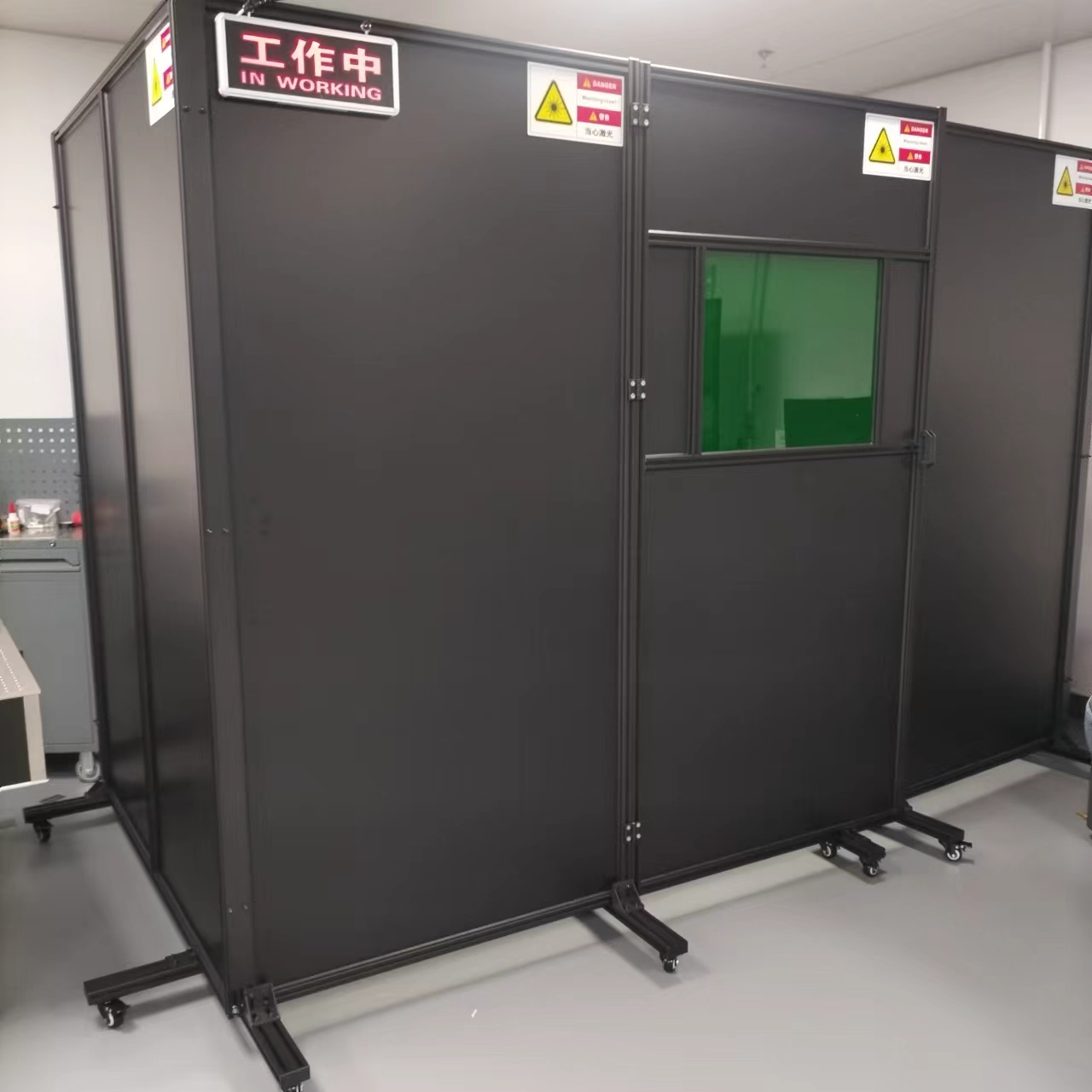
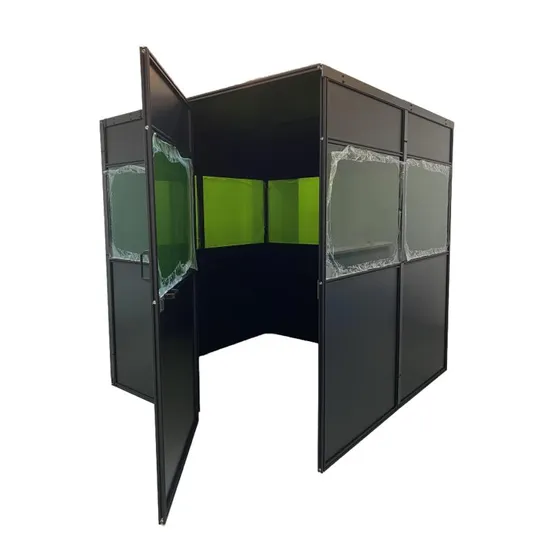
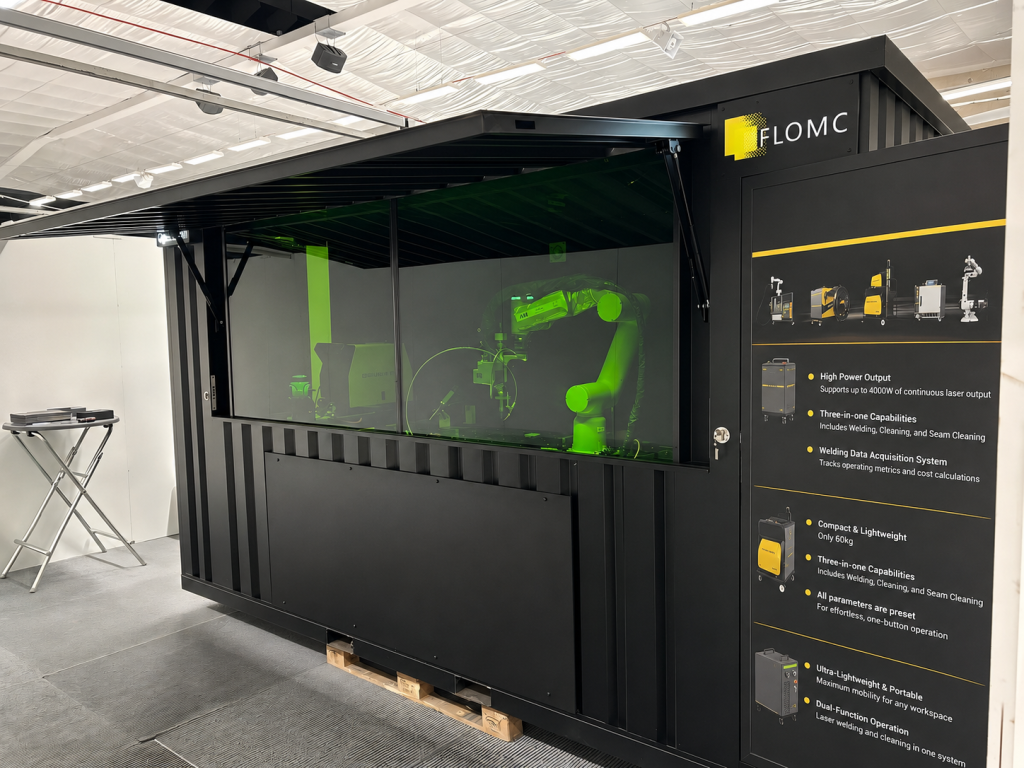
Protection Across a Defined Equipment Area
The structure follows the part of the machine that needs protection.
It may cover one side of the equipment, surround a local working area, close an exposed opening, or connect to an existing enclosure.
The structure does not have to cover the whole machine.
Open sides, open tops, loading areas, or service access can remain where the equipment requires them.
-
Equipment-Side Protection
Protection added along one side or one exposed section of the machine.
-
Local Process Protection
A frame-and-panel structure built around a specific working area.
-
Open or Semi-Enclosed Structures
Protection built around the machine while keeping the access or movement space that still needs to remain open.
-
Enclosure Extensions
Additional protection added to an existing machine frame or enclosure.


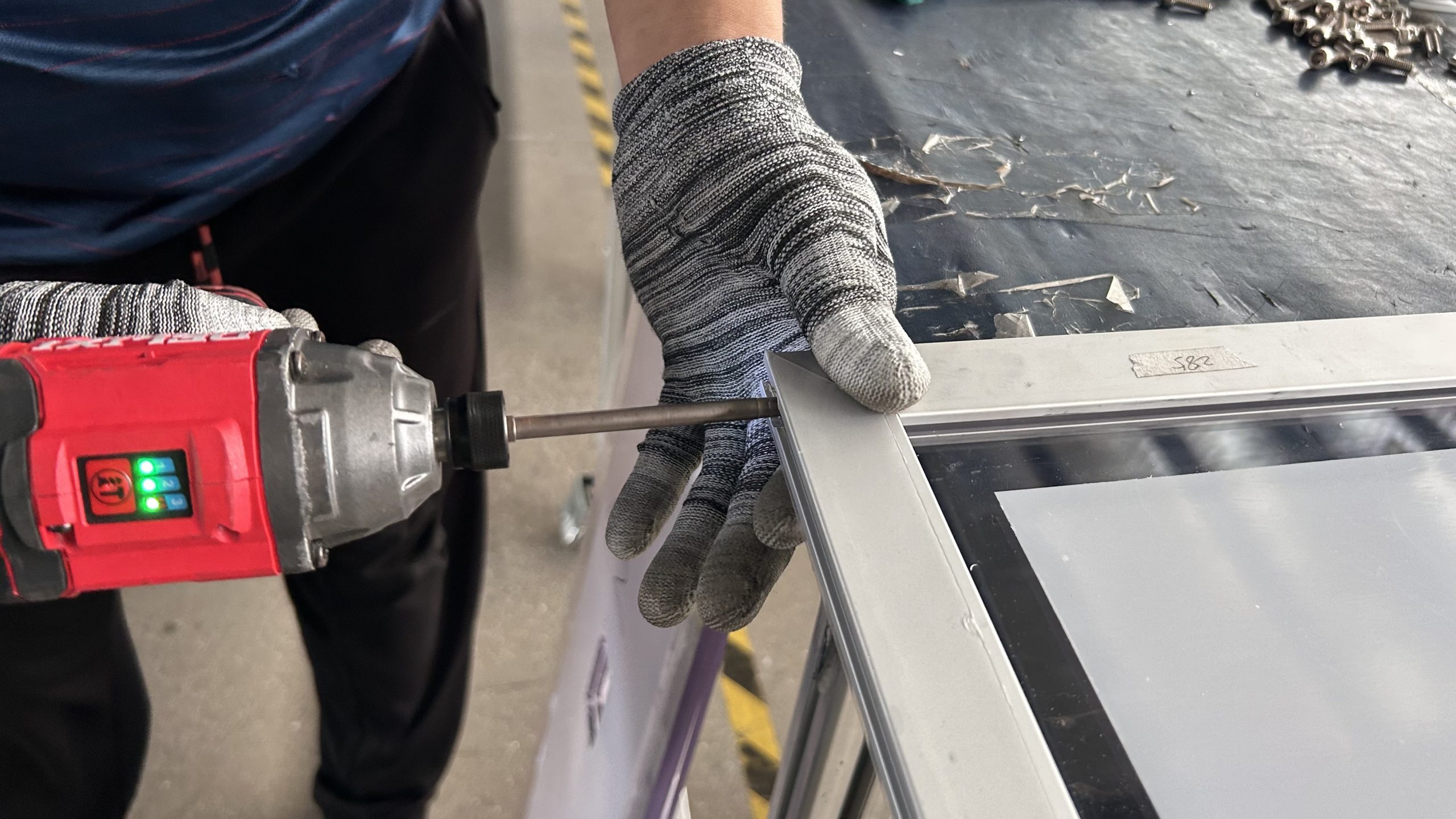
Transparent area
Transparent Areas in Automation Equipment
A protection structure normally brings several parts together.
Profile Frame
Aluminum profile frames support the panels and connect the structure to the machine or surrounding equipment.
Shielding and Viewing Panels
Opaque panels can be used where viewing is not required, while transparent laser protection panels can be added where visibility is needed.
Doors and Openings
Access doors, maintenance openings, loading points, and removable sections can be built into the structure.
Fit and Replacement
Panel overlap, mounting points, machine clearance, and replacement access all affect how the structure fits and works over time.
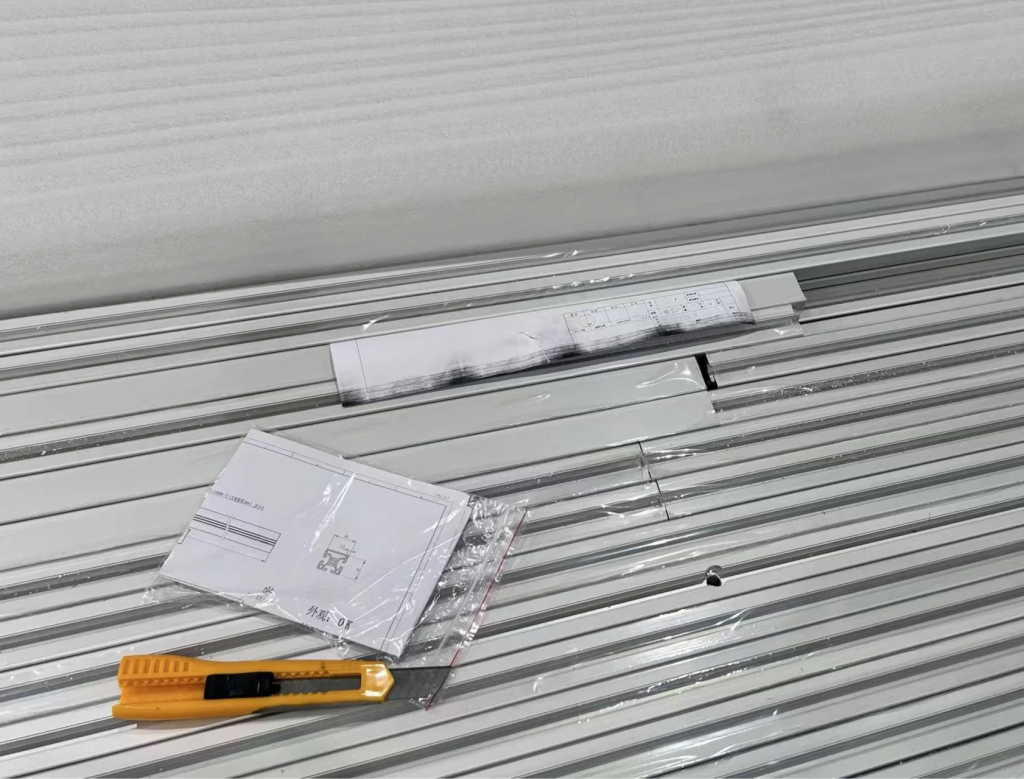
Viewing structure
Designed Around the Machine Layout
The equipment layout is normally the starting point.
Machine size, working area, operator position, door movement, viewing position, moving parts, service access, and installation space all affect the final structure.
Customers can provide drawings, equipment photos, existing structures, samples, or modification requirements.
FLOMCTECH can then develop the required frame, panel, door, and viewing arrangement for manufacture and installation.
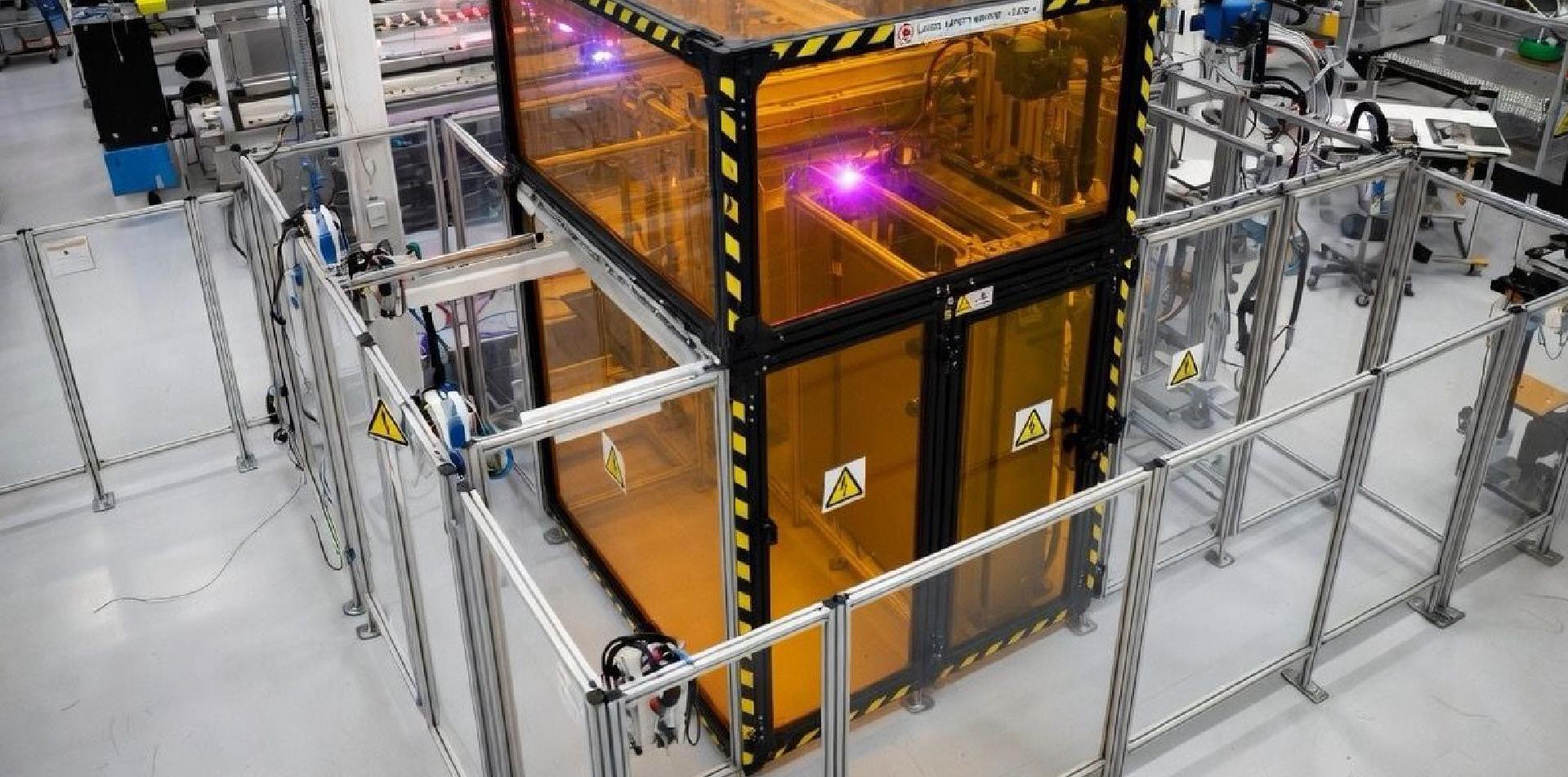
Structural materials
Fabrication, Assembly and Installation
FLOMC can supply both individual parts and complete structural modules.
- Custom Panels
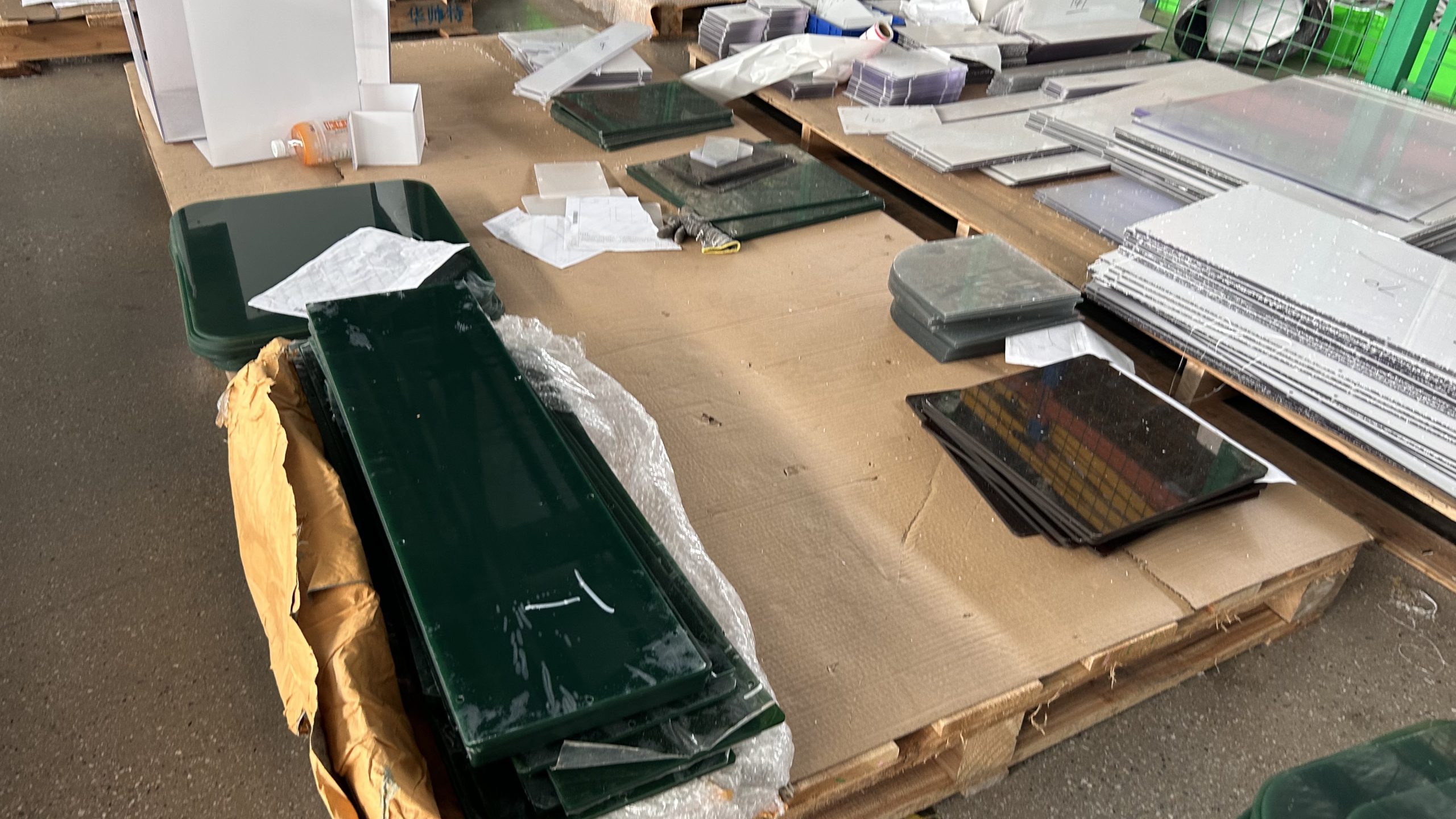
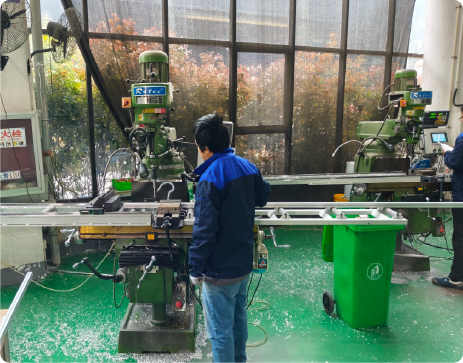
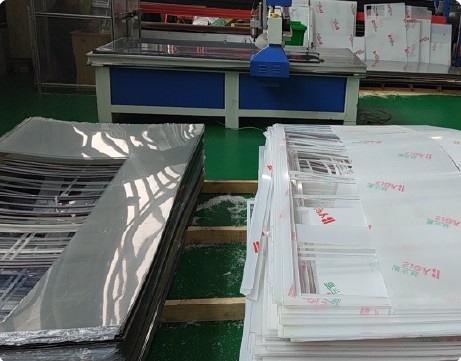
CNC cutting, drilling, edge finishing, mounting holes, and custom sizing for shielding and transparent panels.
- Aluminum Profile Frames
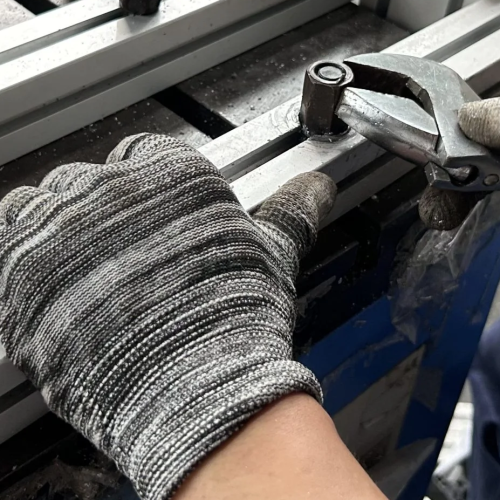
Profile frames can be supplied together with the required panels, mounting points, and connecting parts.
- Doors and Door Components
Access doors, door panels, hardware, and surrounding frame components can be included in the structure.
- Pre-Assembled Modules
Frames, panels, doors, and transparent sections can be assembled before delivery when the project and shipping conditions allow.
- On-Site Installation
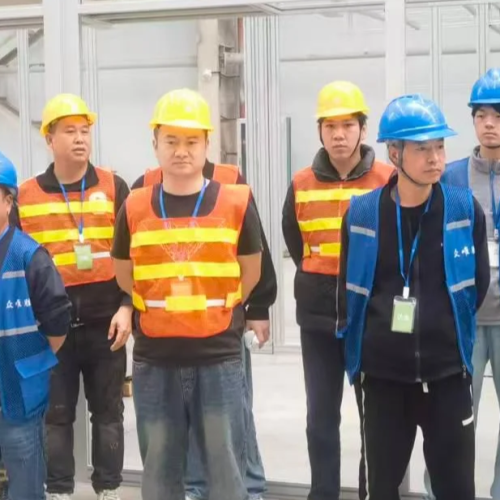
FLOMC can also provide on-site installation, fitting, panel alignment, and adjustment according to the project requirements.
-
Custom Panels
-
Aluminum Profile Frames
-
Doors and Door Components
-
Abrasion-Resistant Surfaces
-
On-Site Installation
ENGINEERING OVERVIEW
Materials Used in the Structure
Different parts of the structure may need different materials.
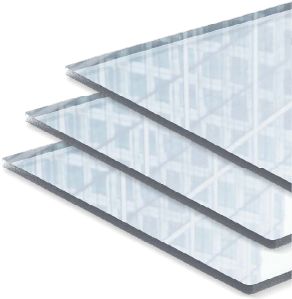
Transparent laser protection panels are used where viewing is required. Opaque panels can be used where visibility is not needed.
Hard-coated, abrasion-resistant, anti-static, or other functional transparent materials can also be considered where cleaning, wear, or the operating environment places extra demands on the viewing area.
More material options and performance information are available under Protection Materials.
-
Material Selection
Choosing transparent materials according to exposure, visibility, impact, cleaning, and protection requirements.
-
Surface & Optical Performance
Balancing durability, static control, glare behavior, fogging risk, cleaning resistance, and protected visibility.
-
Fabrication & Assembly
CNC machining, forming, bonding, lamination, and industrial assembly for transparent protective components.
-
Panel, Frame & Module Development
Coordinating panels, frames, connectors, sealing, bases, and access parts into workable protective structures.
-
OEM & Retrofit Support
Supporting equipment manufacturers and project teams from new equipment development to installed-site adaptation.





Related Reading
Related Laser Protection Areas


Structural elements
When Visibility Becomes Structural
A viewing area may begin as a transparent panel.
On the equipment, it becomes part of the frame, guarding boundary, access position, cleaning routine, and inspection logic.
That is why FLOMC reviews industrial viewing structures through visibility, material surface, frame contact, access, and installation together.
-
Protected Viewing AreasEt quoniam mirari posse quosdam peregrinos existimo haec lecturos forsitan, si contigerit, quamobrem cum oratio ad ea monstranda deflexerit quae.View Protected Viewing Areas
-
Industrial Observation StructuresEt quoniam mirari posse quosdam peregrinos existimo haec lecturos forsitan, si contigerit, quamobrem cum oratio ad ea monstranda deflexerit quae.View Industrial Observation Structures
-
High-Risk Equipment Viewing AreasEt quoniam mirari posse quosdam peregrinos existimo haec lecturos forsitan, si contigerit, quamobrem cum oratio ad ea monstranda deflexerit quae.View High-Risk Equipment Viewing Areas
-
Hazardous Equipment EnvironmentEt quoniam mirari posse quosdam peregrinos existimo haec lecturos forsitan, si contigerit, quamobrem cum oratio ad ea monstranda deflexerit quae.View Hazardous Equipment Environment
-
Environmental Isolation StructuresEt quoniam mirari posse quosdam peregrinos existimo haec lecturos forsitan, si contigerit, quamobrem cum oratio ad ea monstranda deflexerit quae.View Environmental Isolation Structures
-
Shielded Viewing AreasEt quoniam mirari posse quosdam peregrinos existimo haec lecturos forsitan, si contigerit, quamobrem cum oratio ad ea monstranda deflexerit quae.View Shielded Viewing Areas
FINAL CTA
Start with Your Equipment Environment
FLOMC can support your project from material selection, surface performance, panel processing, and structural development to OEM integration and installed-site adaptation.
Share the equipment context, viewing requirement, protection concern, or existing structure you are working with. We can help define the next practical direction.