FLOMC
Request Information
FLOMC
Specify what the window must transmit, control and withstand. Define the viewing task, material construction, fabrication and installation requirements together.
Start with the light that must pass through, any light that must be attenuated, and the observation quality needed in use. Review the material for the intended equipment viewing task. Panel color alone does not establish protective performance.
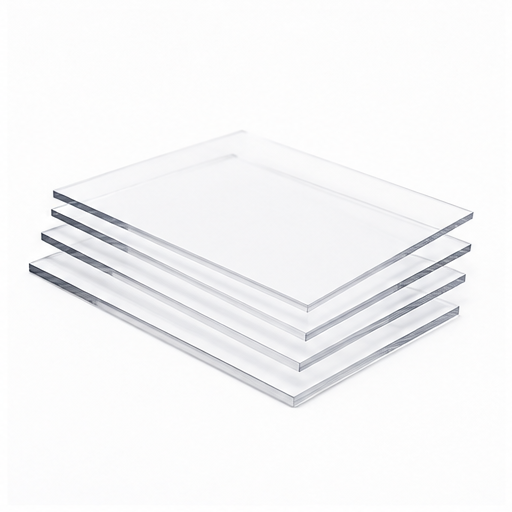
Review the substrate, coating and any laminate together. Thickness, adhesives and added interfaces can affect the optical result. Confirm permitted cutting, forming and bonding operations before finalizing the geometry and clear aperture.
Define edges, holes, frame contact and sealing interfaces. Review the actual viewing geometry. Hazardous-light applications require evidence for the source, exposure and installed assembly.
Discuss the required delivery form, from selected material to a finished mechanical assembly. Confirm availability and scope for the project.
Define the material grade, thickness, finish and supporting optical information needed for evaluation or further processing. Review the proposed construction against the wavelength range and use conditions.
Request a QuoteScope panels to an agreed drawing, including the outline, clear aperture, edge treatment, holes and inspection requirements. Confirm each operation is compatible with the material and functional surface.
Request a QuoteDefine panel, frame and interface responsibilities together. Confirm included components, assembly checks and any separate system-validation requirements before agreeing the supply scope.
Request a QuoteThese are project inputs to confirm, not published product ratings. Agree the selected grade, test methods, conditions and acceptance criteria.
| Review Item | Required Input | Method | Conditions | Status |
|---|---|---|---|---|
| Optical task | Equipment viewing requirements | Application review | Device, lighting and viewing geometry | To confirm |
| Spectral behavior | Transmission or attenuation targets | Relevant grade data | Wavelength, thickness and incidence angle | To confirm |
| Material construction | Substrate, coating and laminate | Compatibility review | Temperature, exposure and processing | To confirm |
| Panel geometry | Outline, aperture, holes and tolerances | Drawing review | Frame, seals and mountings | To confirm |
| Viewing performance | Clarity and finish criteria | Sample review | Thickness, lighting and viewing task | To confirm |
| Processing and cleaning | Drawing and maintenance routine | Before/after checks | Process, cleaner and cleaning cycles | To confirm |
Confirm the processing route, optical area and inspection responsibilities.
| Supply Form | Information Required | Scope to Agree | Status |
|---|---|---|---|
| Material | Grade, thickness and finish | Supplied format and supporting evidence | To confirm |
| Processed panel | Drawing, clear aperture and process | Finished-panel inspection requirements | To confirm |
| Agreed assembly | Frame, interfaces and components | Assembly and installed verification scope | To confirm |
Request wavelength-dependent data for the proposed construction and conditions. General optical performance is not a safety rating. Laser, UV, infrared or other radiation hazards need separate selection evidence and installed-system assessment.
Include the equipment viewing task, lighting, material requirements, drawing and quantity. Share the operating conditions and inspection needs.
FLOMC operates its own coating line, connecting surface requirements with the optical viewing task and finished-panel design. Coating suitability, transmission, appearance and fabrication compatibility are reviewed for the selected construction.
Review samples against the actual equipment viewing task. Include the light source, viewing angle, panel thickness and service conditions.
Connect transmission, haze, distortion and surface requirements to relevant evidence and agreed acceptance criteria. Keep material checks and installed-system validation clearly defined.
Use construction-specific cleaners, wipes and handling procedures. Avoid abrasive contact with functional surfaces, and agree appearance or optical checks after representative cleaning exposure.
Agree drawings, quantity, supplied components and acceptance criteria before finalizing the scope.
Review the material against the actual equipment viewing task, then define the finished panel and installation requirements. The examples below help frame a project enquiry.
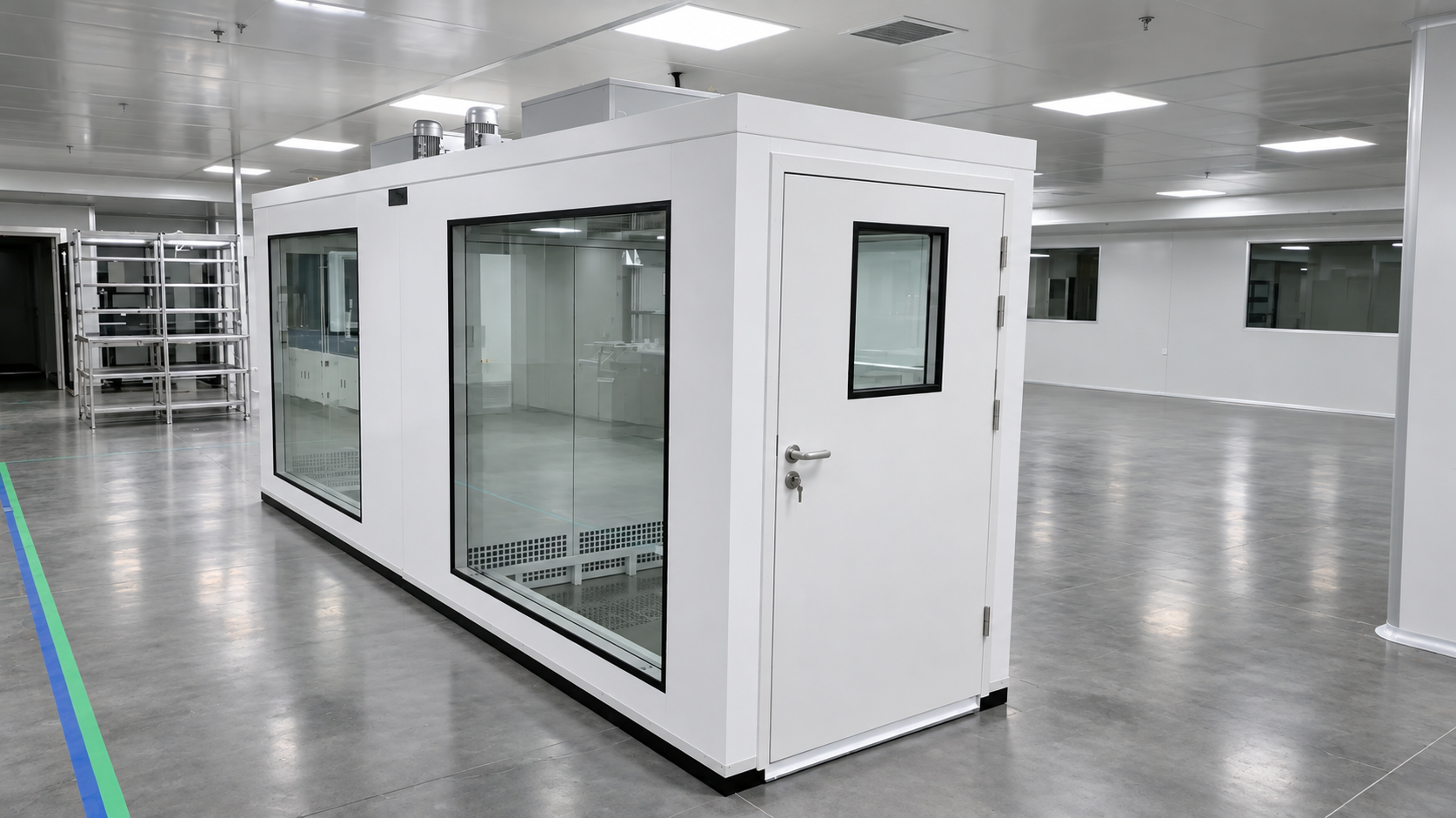
For viewing processes or indicators through an equipment enclosure, review clarity, tint, reflections, cleaning and mounting together. Any hazardous-light requirement needs application-specific evidence.
For reading displays or indicators through an equipment cover, review readability, reflections, tint and cleaning. Confirm visibility using a sample in the intended lighting and mounting arrangement.
Start with the viewing task and material construction. Use these answers to prepare your project requirements.
No. It covers optical requirements for industrial viewing and equipment interfaces. Laser protection requires a separate, hazard-specific selection review.
No. Request spectral performance for the selected construction and intended conditions. Similar-looking materials can transmit different wavelengths.
Potentially, but compatibility must be reviewed. Prioritize the optical, surface and mechanical requirements, then confirm them on the proposed construction.
FLOMC can support your project from material selection, surface performance, panel processing, and structural development to OEM integration and installed-site adaptation.
Share the equipment context, viewing requirement, protection concern, or existing structure you are working with. We can help define the next practical direction.

English

German

Italian

Spanish