

FLOMC
Request Information
FLOMC

Inspection access areas combine viewing panels, openings and mechanical interfaces for checking and maintaining equipment. Define visibility, cleaning, access and any static-control requirements for the actual process.
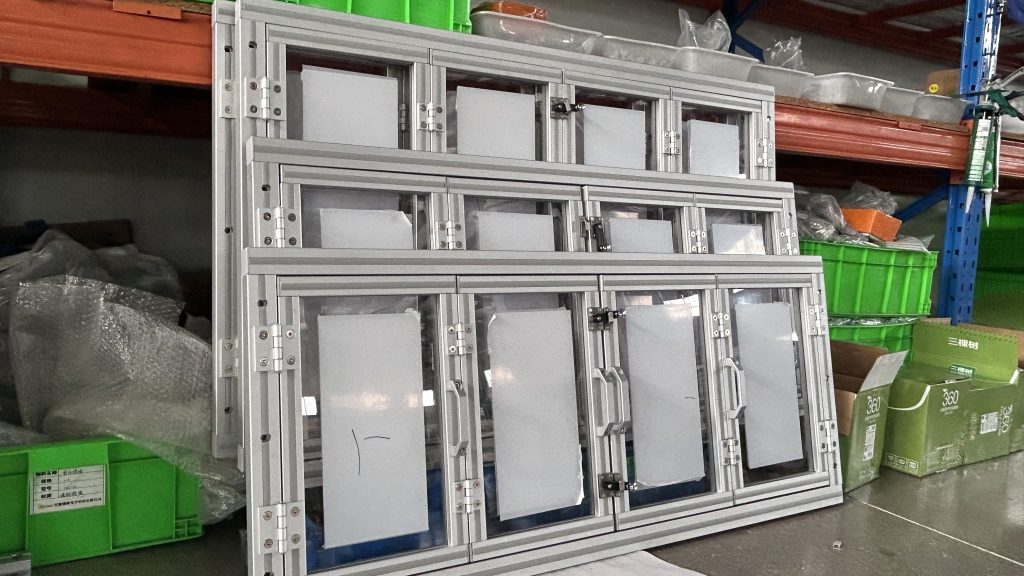
Framed Access Panels — Configuration and Performance Defined per Project
FLOMC can discuss panels, frames and mechanical access components. Specify any required electrical performance and installed grounding arrangement.
Verify cleaning compatibility and retained electrical performance for the selected construction and maintenance routine. Do not assume permanent or humidity-independent performance.
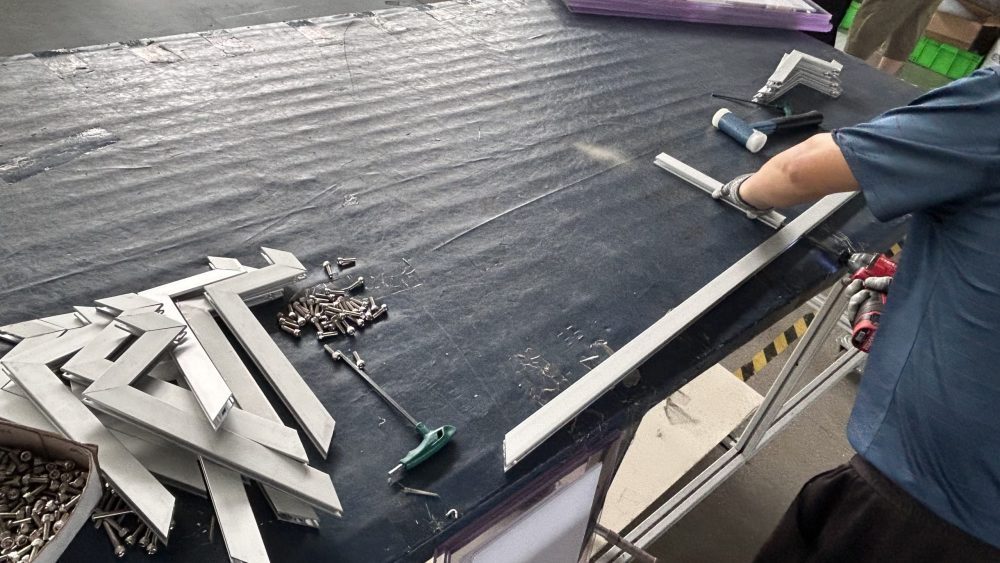
Discuss the viewing opening, framed section or removable cover around your equipment interfaces. Illustrations show possible forms, not validated protective designs.
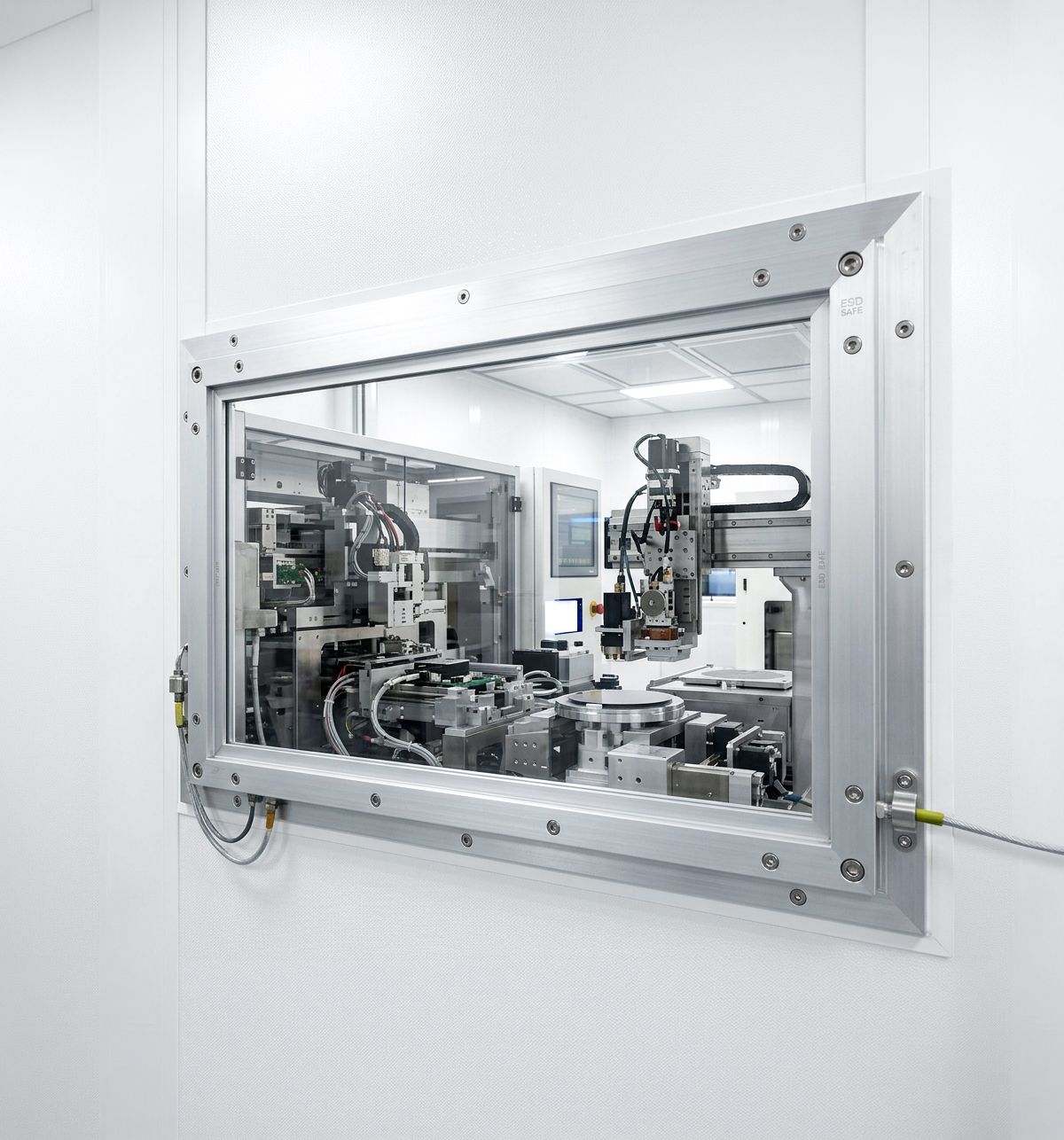
Define the opening, viewing area, retention and replacement access for the selected panel.
Discuss a Window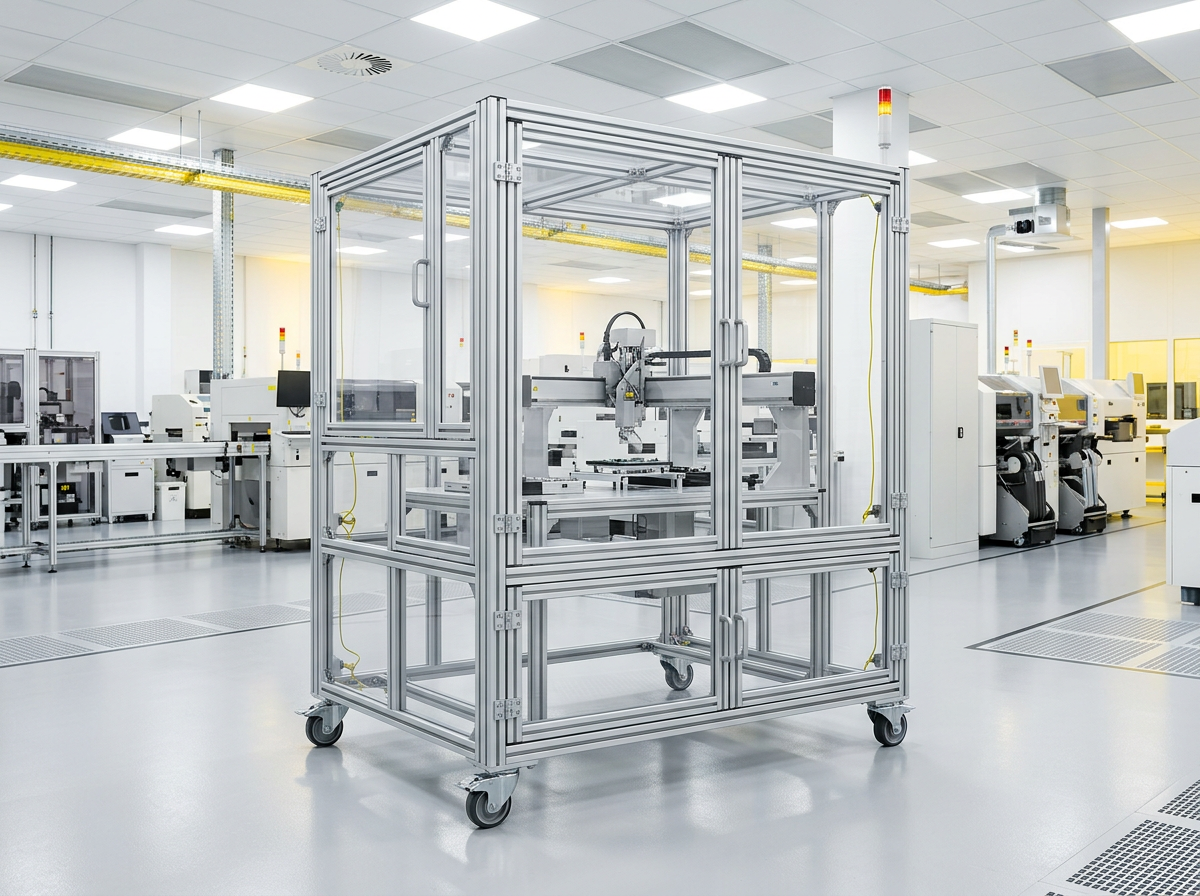
Coordinate panels, frames and access hardware. Interlocks and controls require separate specification and validation.
Discuss a Framed Section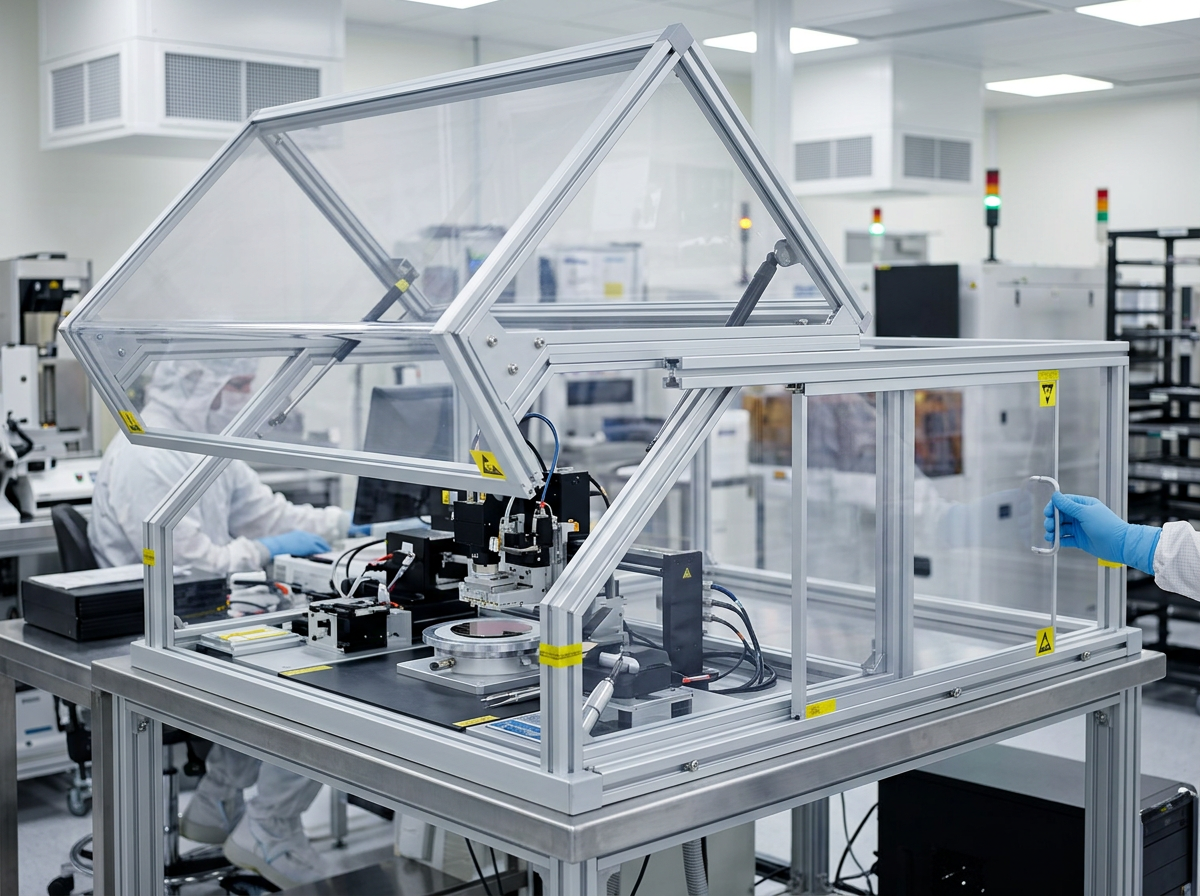
Specify the outline, supports, release method and clearance needed for inspection and maintenance.
Discuss a CoverDefine requirements for the selected panel and its installed assembly; these are purchasing inputs, not published product ratings.
| Requirement | Review Basis | Input Format | Panel Selection | Assembly Review |
|---|---|---|---|---|
| Static control | Process specification | Method and limits | Grade-specific evidence | Installed connection |
| Viewing task | Lighting and distance | Visibility criteria | Transmission and haze | Position and aperture |
| Cleaning | Maintenance routine | Agents and contact time | Surface compatibility | Edges and seals |
| Mechanical loads | Equipment assessment | Load and exposure | Material and thickness | Retention and support |
| Temperature | Operating conditions | Range and duration | Grade suitability | Movement allowance |
| Protective function | Defined hazard | Required evidence | Selected construction | Complete assembly |
Provide dimensions with units; tolerances and processing routes must be agreed before manufacture.
| Supply Item | Geometry Inputs | Surface Requirements | Interfaces |
|---|---|---|---|
| Viewing panel | Outline and thickness | Specify each face | Fixings and edges |
| Framed section | Opening and envelope | Cleaning and exposure | Retention and seals |
| Access component | Travel and clearance | Viewing and handling | Hardware mounting |
Protective performance requires evidence for the specified construction and intended use. The equipment builder or integrator validates the complete system.
Share drawings, quantities and use conditions to define the agreed supply scope.
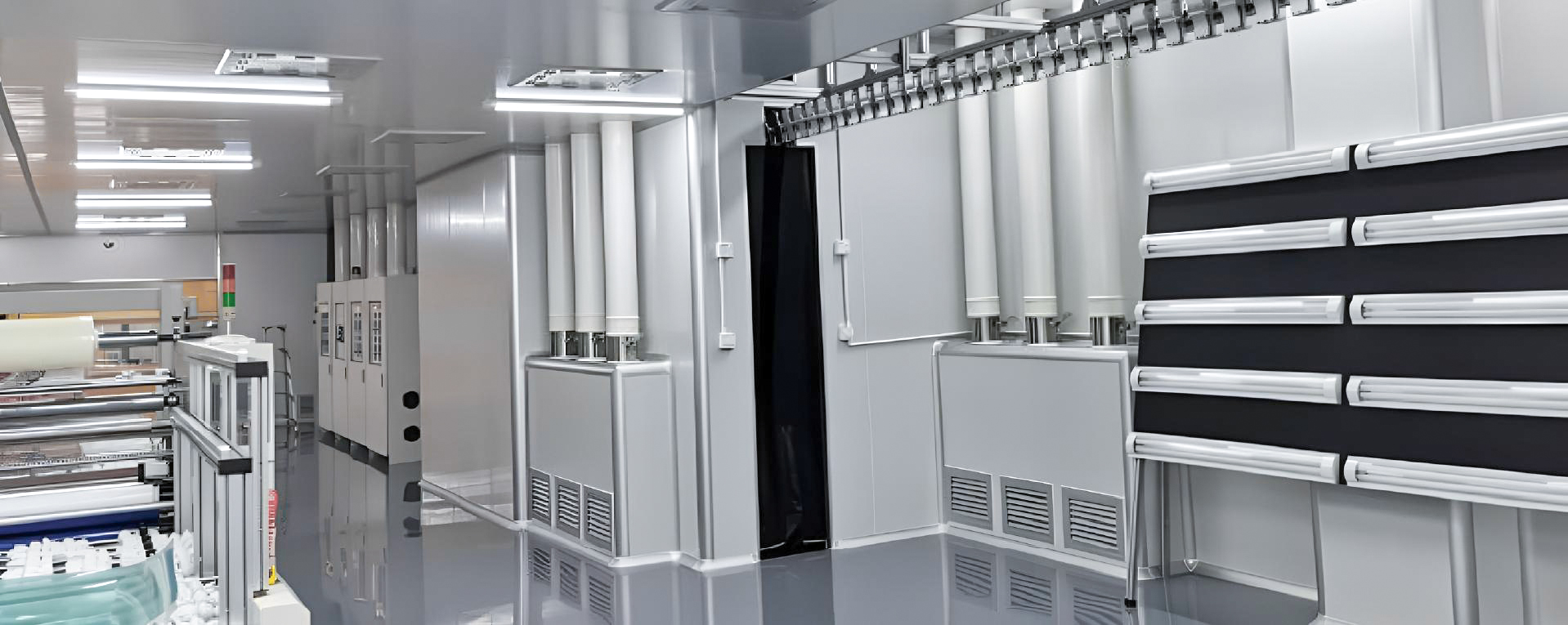
Agree material, processing and mechanical interfaces. Equipment risk assessment, safety controls and final validation remain with the equipment builder or integrator.
Confirm the measurement method, conditions and required installed connection for the selected material.
Define lighting, viewing distance and acceptable haze or transmission for inspection.
Share cleaning agents, contact times and frequency. Confirm compatibility for the selected panel and surface.
Define processed panels, frames and mounting parts. Site installation is included only if expressly agreed.
These examples help define viewing, cleaning and access requirements. They are not records of completed installations or validated cleanroom performance.
Define the inspection task and any required static-control measurements, installed connections and verification.
Review cleaning agents, contact times and access requirements. The complete controlled environment needs separate validation.

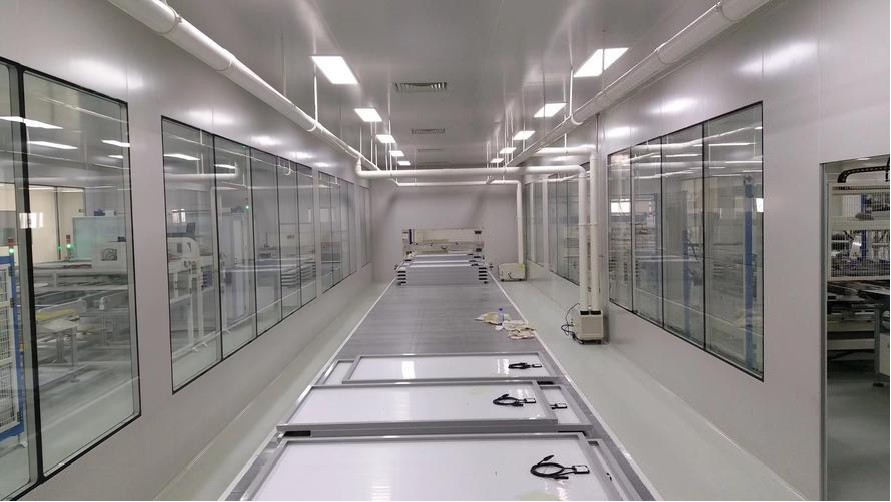
Semiconductor Fab
Discuss the viewing task, cleaning routine and surrounding equipment interfaces for a contamination-sensitive area. Required environmental performance needs project-specific verification.
EXPLORECan't find your answer? Our engineers reply within one business day.
An anti-static observation area is an enclosed or semi-enclosed viewing structure designed to give personnel clear visibility into a controlled process while dissipating static charge and keeping particles out.
No. The dissipative layer is bonded during manufacturing and stays effective after repeated cleaning with IPA and standard cleanroom detergents.
Yes. Panels are CNC machined in-house with a ±0.5 mm cutting tolerance, including cut-outs, holes and framing.
Polycarbonate for impact resistance and wider service temperature; acrylic for maximum light transmission and surface hardness.
Standard sheets ship from stock. Machined panels and framed structures depend on drawing approval — our engineers confirm a date with your quotation.
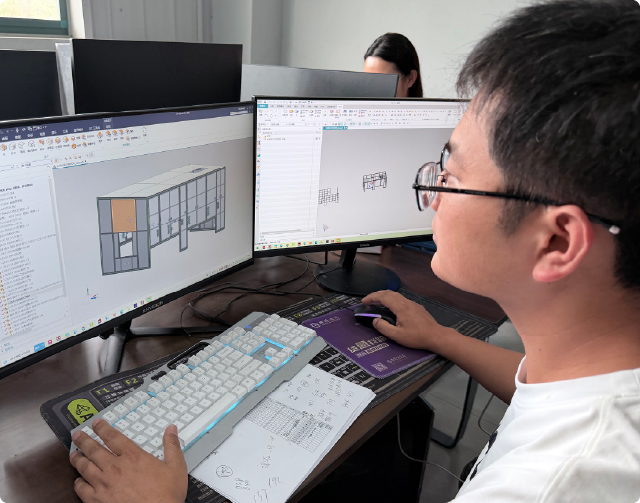
FLOMC can support your project from material selection, surface performance, panel processing, and structural development to OEM integration and installed-site adaptation.
Share the equipment context, viewing requirement, protection concern, or existing structure you are working with. We can help define the next practical direction.

English

German

Italian

Spanish