FLOMC
Request Information
FLOMC
A suitable hard-coated surface can improve resistance to scratching and abrasion. Specify the substrate, coating and finished panel together for the viewing conditions, fabrication and cleaning process.
A suitable hard coating can improve resistance to surface scratching and abrasion. Temperature limits and mechanical performance depend on the substrate, coating and complete construction, which must also meet the project’s optical and protection requirements.
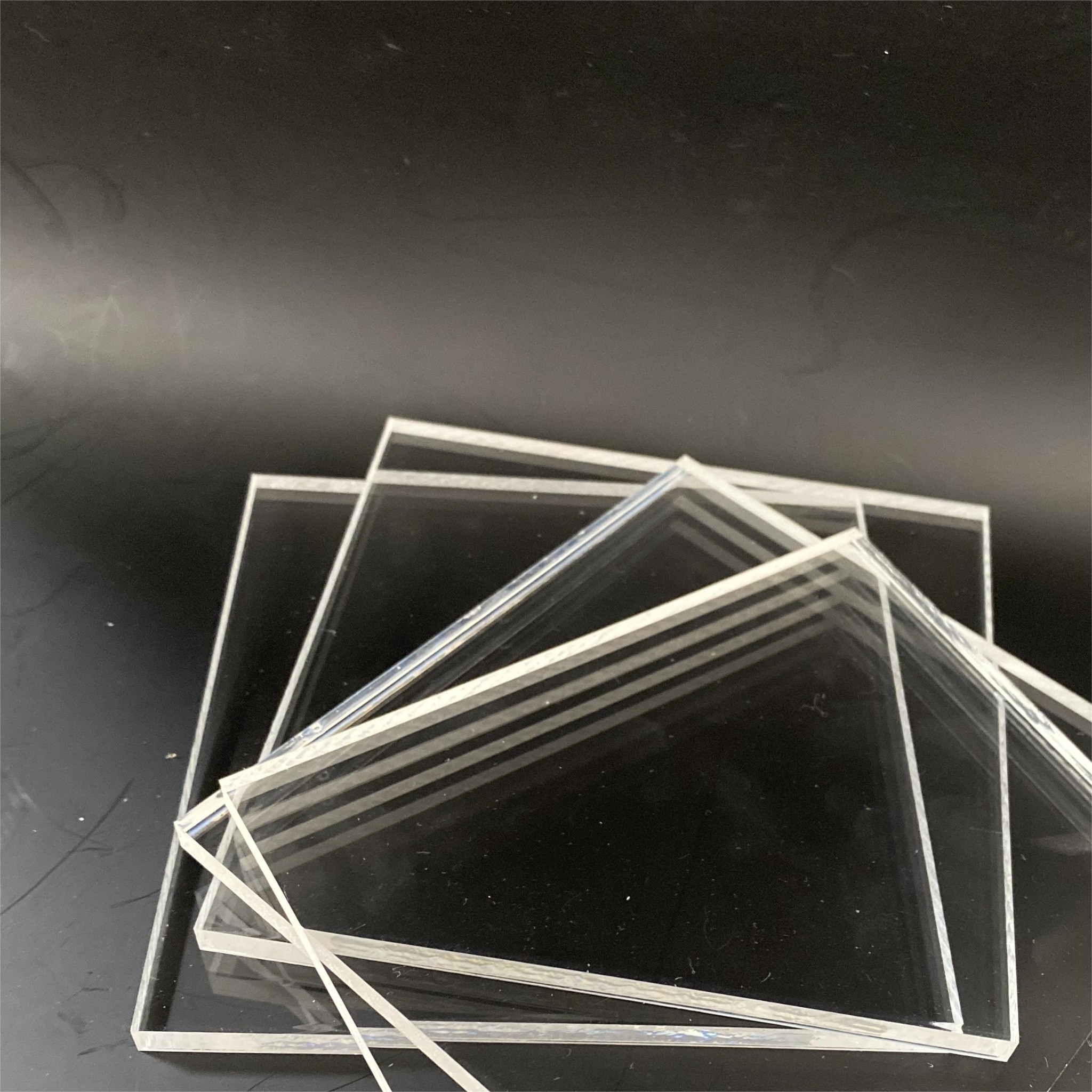
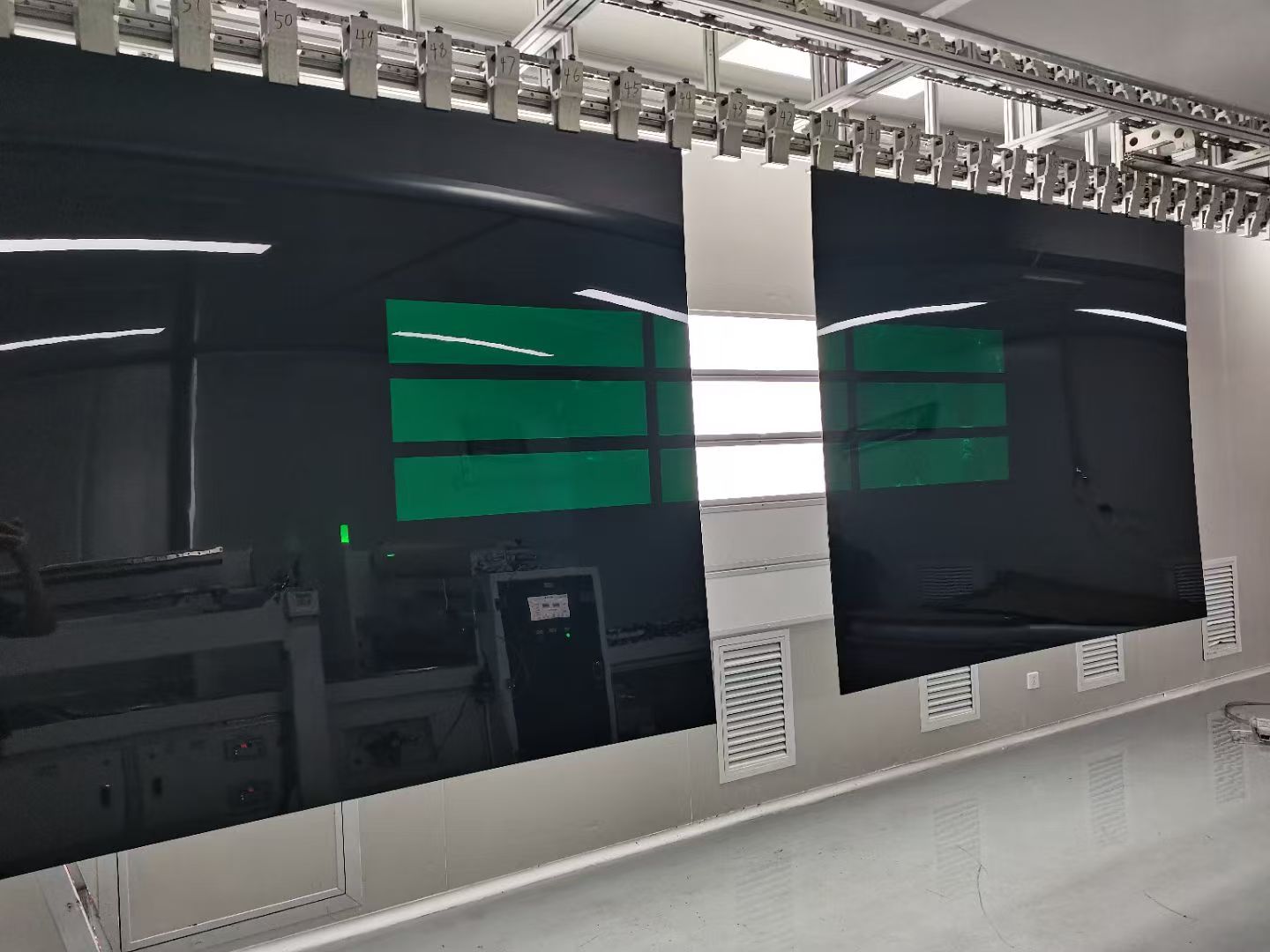
Handling and cleaning can mark transparent surfaces over time. A suitable hard-coated construction can improve resistance to this wear when the coating, fabrication and maintenance process are considered together.
Holes, cutouts, edge finishing, bending and bonding depend on the construction and process order. Coatings intended for flat sheet may not tolerate forming. Confirm these details before release.
Define the material, processed panel or agreed assembly in the quotation. Confirm the substrate, coating, fabrication route and acceptance criteria for the selected supply form.
Specify the substrate grade, thickness, coated faces and material dimensions. Confirm restrictions that affect fabrication or cleaning.
Request a QuoteDefine the finished outline, holes, cutouts, edge condition and clear viewing area. Processing methods and sequence depend on the substrate and coating.
Request a QuoteWhere an assembly is required, define the panel, mounting arrangement, interfaces and supplied components in the agreed drawing and scope.
Request a QuoteDefine requirements for the selected material, coating and finished construction. Use these inputs to prepare a drawing or enquiry.
| Requirement | Input | Reference | Material | Processed Panel |
|---|---|---|---|---|
| Substrate & thickness | Grade and nominal thickness | Specification | Sheet or blank | Finished panel |
| Coated faces | Faces and coating coverage | Marked drawing | Identify coated side | Confirm coverage after processing |
| Clear viewing area | Position, size and appearance | Drawing and criteria | Defined clear area | View after mounting |
| Optical appearance | Haze and visual criteria | Agreed evaluation | Representative sample | Finished construction |
| Surface wear | Abrasion method and criteria | Test conditions | Selected coating | Finished surface |
| Exposure | Cleaning agents, contact time and temperature | Use and cleaning notes | Coating and substrate | Edges, bonds and mountings |
Confirm fabrication sequence, operating conditions and the agreed supply boundary.
| Supply Form | What to Send | Review Points | Scope |
|---|---|---|---|
| Material | Grade, thickness, coated faces and quantity | Fabrication restrictions | Agreed material dimensions |
| Processed panel | Outline, holes, cutouts and tolerances | Edges, forming, bonding and process order | Finished panel |
| Agreed assembly | Drawing, components and quantity | Mounting, cleaning and service access | Written assembly scope |
Hard coating does not make a panel scratch-proof or establish impact, cutting, laser or welding protection. Assess those requirements separately for the complete construction. Confirm temperature, mechanical loads and cleaning compatibility for the selected substrate and coating.
Include dimensions, quantity, operating environment and cleaning method so the material and supply scope can be reviewed together.
FLOMC operates its own coating line, connecting coating requirements with substrate selection and panel fabrication. For hard-coated panels, confirm the applicable coating system, process sequence and acceptance criteria for the selected construction.
Define the substrate and thickness around visibility, temperature and mechanical loads.
Resolve holes, cutouts, edges, forming and bonding against the construction and process order.
Share cleaning agents, concentrations and contact conditions. Evaluate representative samples where compatibility needs confirmation.
Agree drawings, quantity, supplied components and acceptance criteria before finalizing the scope.
Consider hard-coated transparent panels where handling, wiping or surface wear affects a viewing surface. Suitability depends on the complete application.
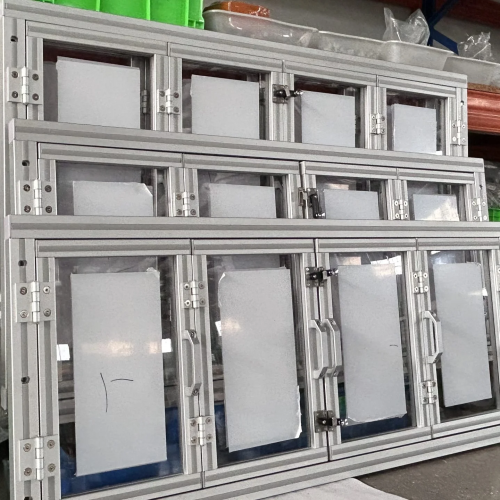
For enclosure viewing areas where surface condition matters during routine use and maintenance. Confirm the substrate, mounting and required protection performance separately.
For covers with defined appearance and cleaning requirements. Specify the clear area, haze criteria and cleaning-agent exposure. Follow the selected construction’s cleaning instructions; avoid abrasive tools and trapped grit.
Review coating, fabrication and cleaning requirements for the complete construction.
No. Surface abrasion resistance and impact performance are different requirements. Assess the substrate, thickness, mounting and complete assembly for the actual hazard.
Some constructions allow selected processes; others restrict them. Supply the drawing and forming requirements so coating compatibility and processing order can be reviewed.
Not automatically. Compatibility depends on the coating, substrate, edges and exposure. Use only a cleaning method approved for the selected construction.
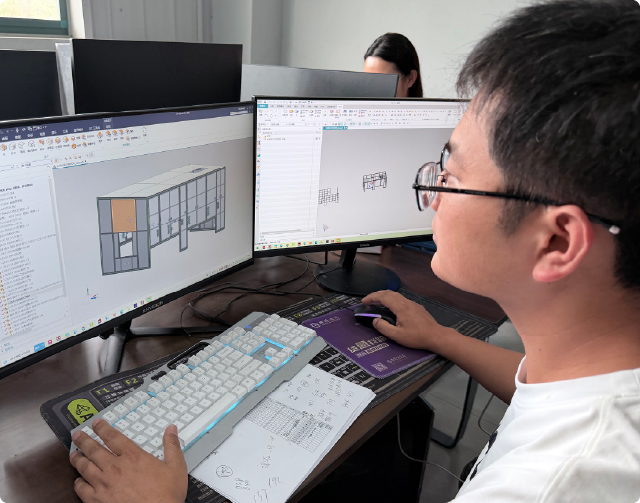
FLOMC can support your project from material selection, surface performance, panel processing, and structural development to OEM integration and installed-site adaptation.
Share the equipment context, viewing requirement, protection concern, or existing structure you are working with. We can help define the next practical direction.

English

German

Italian

Spanish