FLOMC
Request Information
FLOMC
Anti-glare viewing materials are considered where reflected light makes an equipment view or display harder to see. Evaluate a representative sample to balance glare appearance with haze, detail visibility and display sparkle.
An anti-glare surface diffuses reflected light, which can make distinct reflections less noticeable. The same surface can affect haze, fine-detail visibility and display appearance, so selection should reflect the actual lighting and viewing conditions.
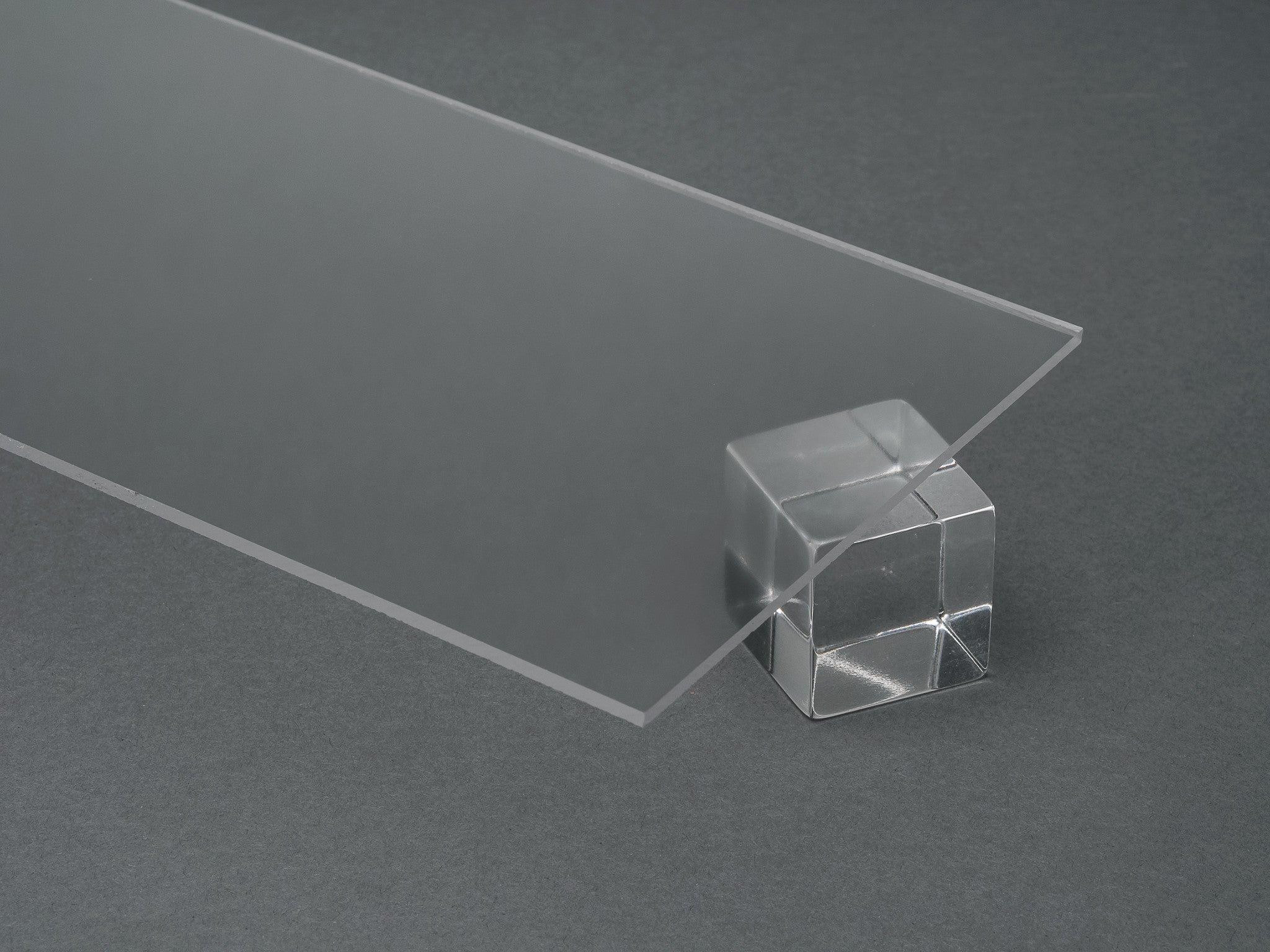
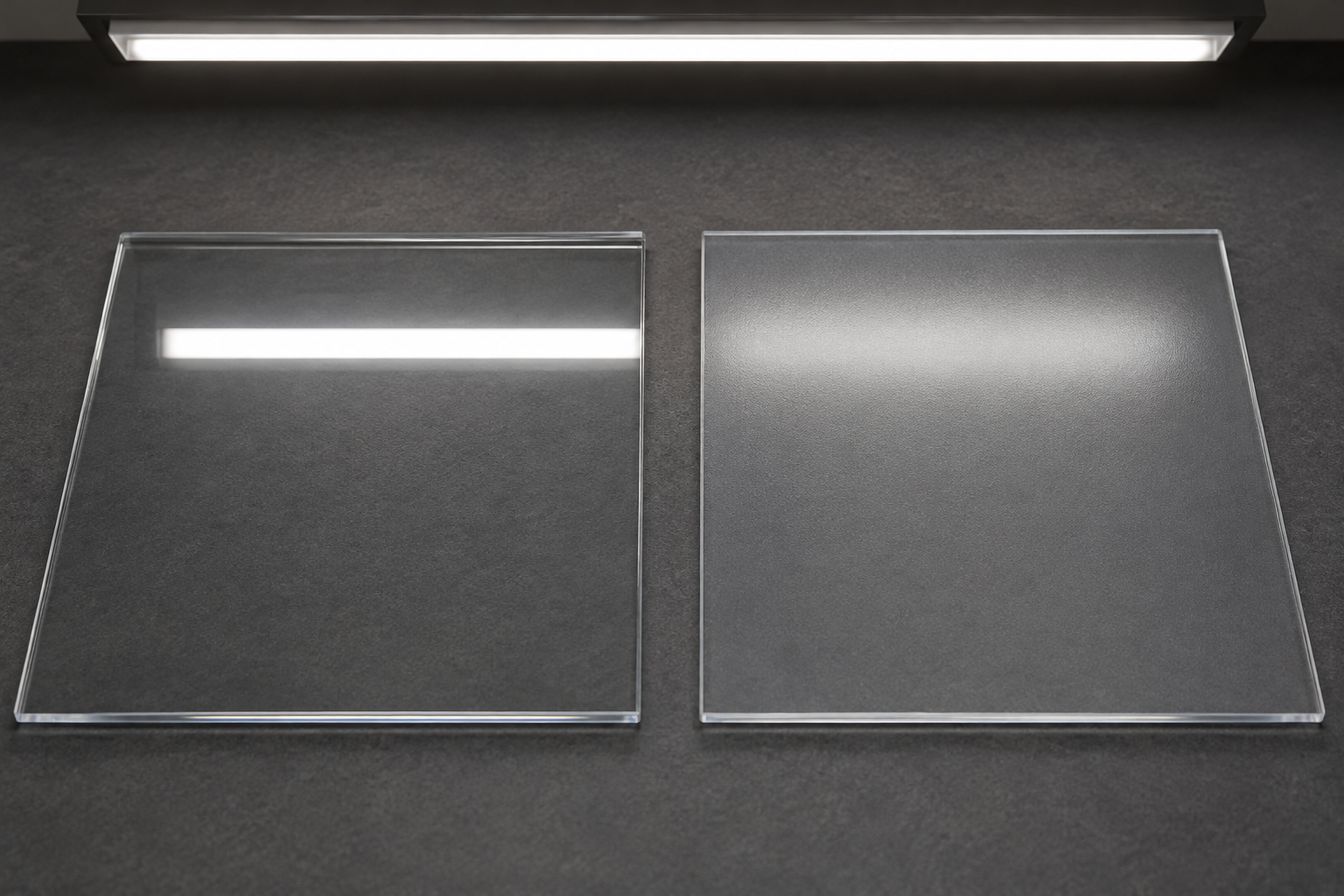
Define the viewing area, treated face, edges, holes and mounting arrangement before confirming the panel. Review processing, handling and cleaning requirements for the selected substrate and surface.
Anti-glare diffuses reflected light; anti-reflective treatments aim to reduce reflection. Confirm each requirement separately. Neither description establishes impact, laser, welding or electrical arc-flash protection.
Discuss the required delivery form. Availability, processing and assembly scope remain subject to project confirmation.
Review the substrate grade, thickness, surface treatment and supplied format. Confirm the treated side, handling requirements and restrictions before downstream processing.
Request a QuoteDefine the finished outline, clear viewing area, treated face, edges and holes against an agreed drawing. Processing methods and tolerances depend on the substrate and surface.
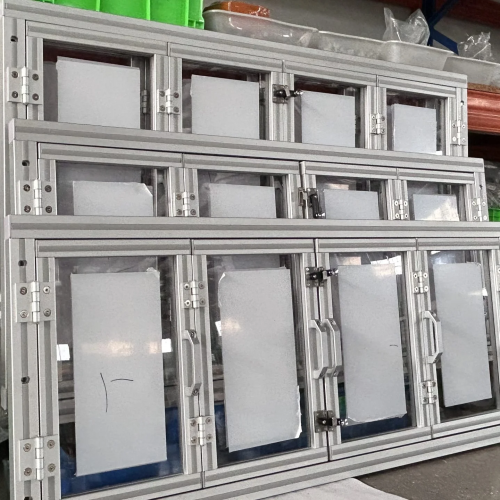
Request a QuoteInclude a frame or mounting arrangement only where the components, interfaces and responsibilities are expressly agreed. Define surface orientation and acceptance checks.
Request a QuoteThese are project inputs to confirm, not published product specifications. Agree the selected substrate, surface and finished configuration.
| Review Item | Input to Confirm | Reference | Evaluation Context | Status |
|---|---|---|---|---|
| Substrate | Grade and thickness | Grade information | Use environment | To confirm |
| Surface | Finish and treated side | Surface description | Lighting and orientation | To confirm |
| Transmission | Target and method | Sample measurements | Complete optical stack | To confirm |
| Haze | Target and method | Sample measurements | Detail and viewing distance | To confirm |
| Reflections | Glare and reflectance criteria | Sample comparison | Light and viewing angles | To confirm |
| Image quality | Clarity and sparkle criteria | Viewing trial | Display or viewed object | To confirm |
Confirm fabrication, cleaning and the agreed supply boundary.
| Supply Form | Information Required | Scope to Agree | Status |
|---|---|---|---|
| Material | Grade, finish, size and thickness | Supplied format and surface condition | To confirm |
| Processed panel | Drawing, features and tolerances | Processing and inspection requirements | To confirm |
| Agreed assembly | Frame, interfaces and components | Assembly and acceptance responsibilities | To confirm |
Agree values, test methods and acceptance limits for the selected construction. Anti-glare does not establish scratch, impact, laser, welding or electrical arc-flash protection. Confirm temperature, mechanical loads and cleaning compatibility separately.
Include a drawing, quantity, lighting and viewing conditions, and cleaning method. Share display details and cover spacing where relevant.
FLOMC operates its own coating line, connecting coated-surface requirements with substrate selection and finished-panel design. Confirm haze, gloss, viewing quality and process compatibility for the selected anti-glare construction.
Evaluate the surface against the lighting, viewing task and working distance that matter. Use representative samples of the intended construction.
Consider reflection appearance alongside haze, detail visibility and display sparkle. Review these together with the finished panel geometry.
Follow grade-specific cleaning guidance. Use non-abrasive methods; do not polish the functional face or apply an unapproved cleaner. Include frequent wiping in sample evaluation.
Agree drawings, quantity, supplied components and acceptance criteria before finalizing the scope.
Consider anti-glare materials where ambient reflections affect a viewing task. These application examples are selection contexts, not evidence of suitability or protective performance.
For observation areas where surrounding lights create distracting reflections. Review detail visibility through the complete panel and mounting arrangement, including oblique viewing angles.
For display interfaces affected by ambient reflections. Evaluate readability, haze and sparkle with the intended display, pixel density and cover spacing. Compare samples at the expected viewing distance and lighting.
Review glare, clarity and surface requirements for your viewing conditions.
No. It changes how reflected light is distributed. The result depends on the surface, illumination and viewing geometry; compare samples under realistic conditions.
Not necessarily. Greater diffusion may obscure fine details. Select the balance using the actual display or object behind the panel.
They can be combined in some constructions, but availability and performance need confirmation. State the viewing problem and required outcome rather than assuming a standard combination.
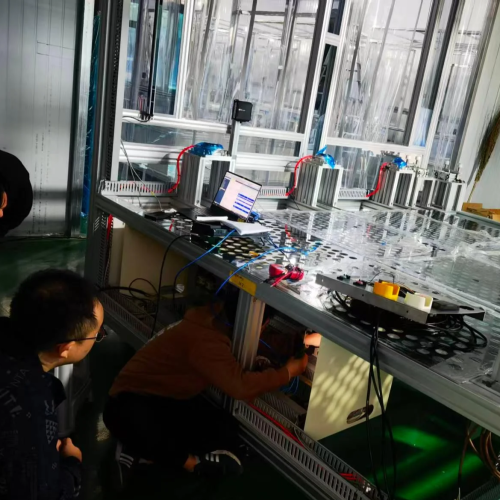
FLOMC can support your project from material selection, surface performance, panel processing, and structural development to OEM integration and installed-site adaptation.
Share the equipment context, viewing requirement, protection concern, or existing structure you are working with. We can help define the next practical direction.

English

German

Italian

Spanish