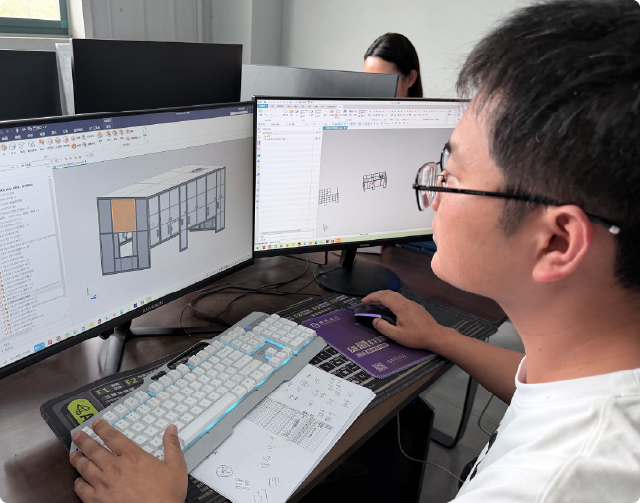
All of our laser safety training is now available online


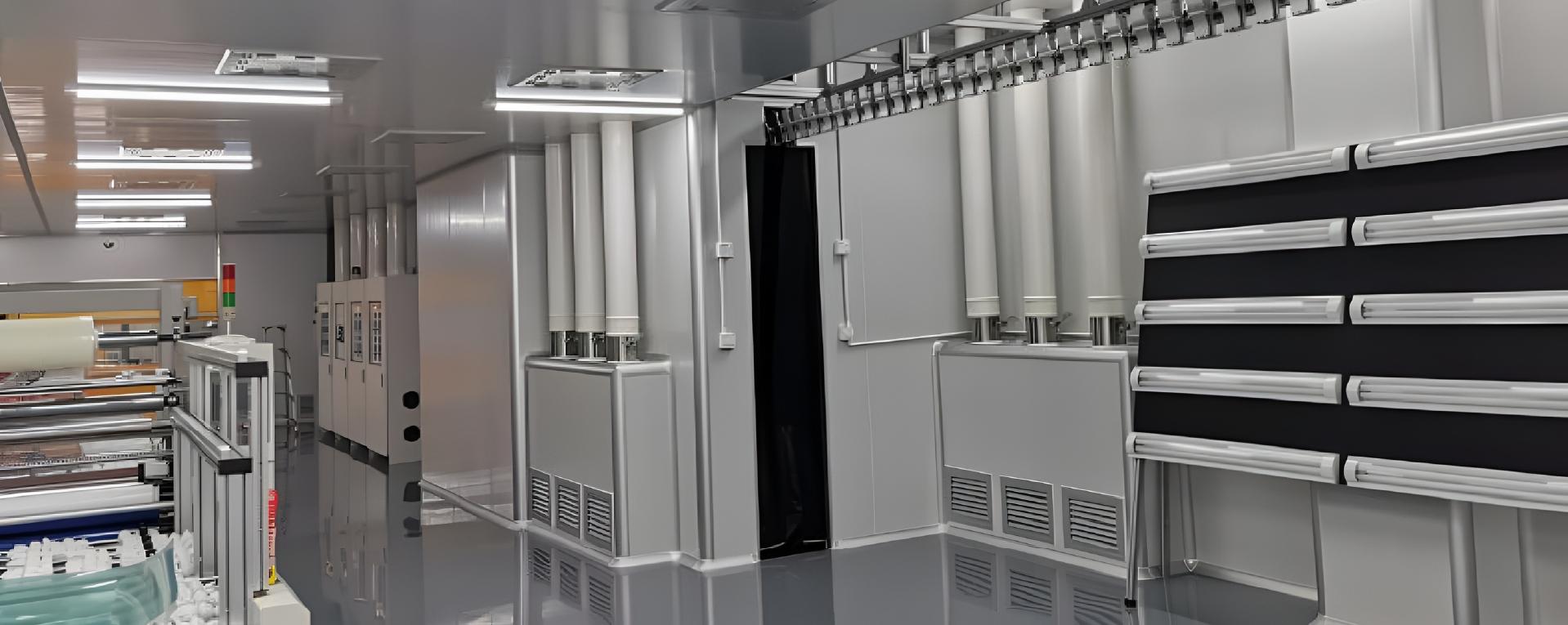
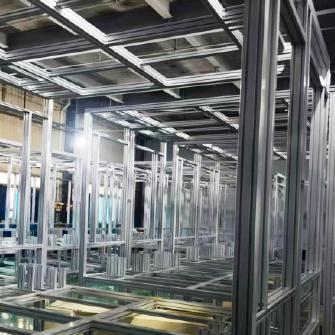
Safety Separation Structures
HERO
Safety Separation Systems for Automation Equipment
Separation is not always opaque.
Some equipment boundaries need protection, access control, and visibility to stay inside the same structure.
Machine structure
Where Separation Becomes a Structure
A separation system defines more than a safe distance.It follows the equipment zone.
The access side.
The loading path.
The viewing area.
The maintenance position.
The installation boundary.
-
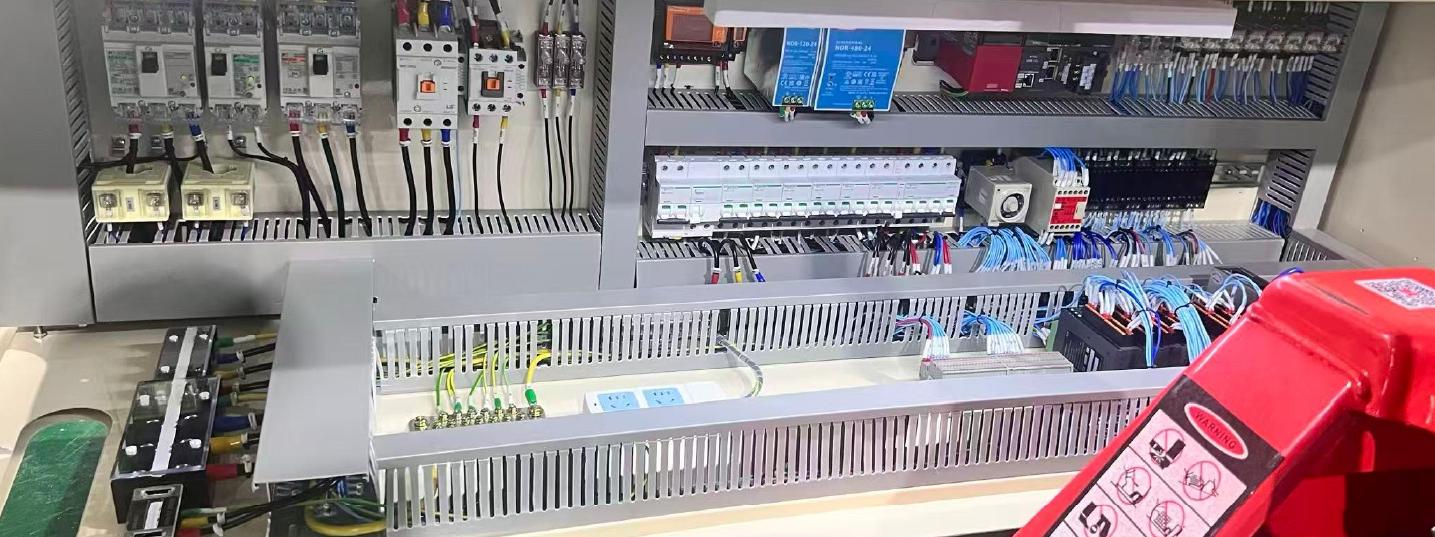
 Installation Of Electrical Components
 -
Installation Of Electrical Components
-
Installation Of Electrical Components
-
Installation Of Electrical Components
-
Installation Of Electrical Components
What Defines the Separation System
Where equipment status, process movement, or internal operation needs to remain visible.
-
Transparent Panel
Where visibility is kept inside the guarding or equipment boundary.
-
Frame Contact
Where the transparent area meets profiles, covers, doors, or machine frames.
-
Surface Condition
Where cleaning, abrasion, static, and long-term use start to show.
-
Installation Position
Where the viewing area has to fit the real equipment layout.


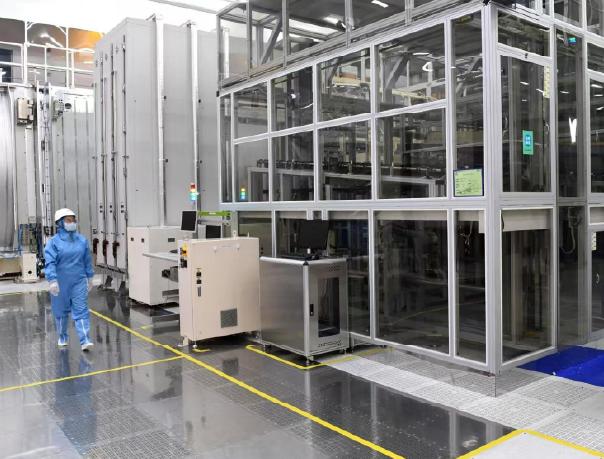
Transparent area
Transparent Areas in Automation Equipment
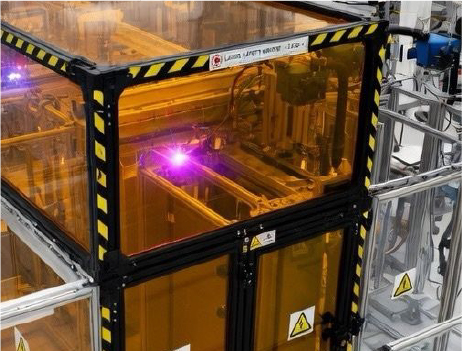
Some viewing structures are small windows.
Others are larger panels, transparent doors, inspection covers, or integrated guarding sections.
The transparent area has to stay aligned with equipment visibility, frame structure, access clearance, and long-term surface performance.
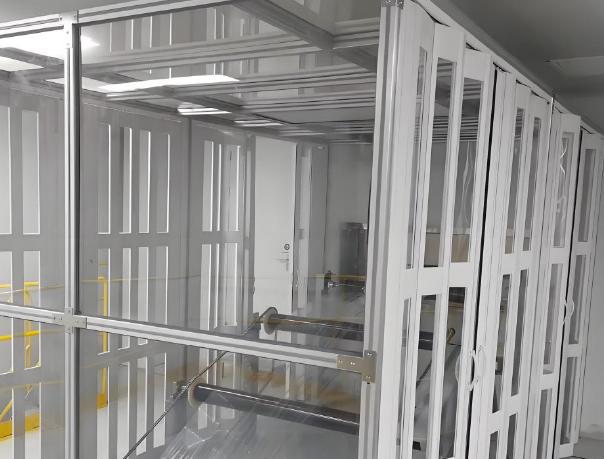
Viewing structure
Built Around the Viewing Line
The viewing line often decides the structure.
- Operator side.
- Frame obstruction.
- Equipment status.
- Cleaning access.
- Internal movement.
- Panel replacement.
A viewing structure works only when visibility remains usable after installation.
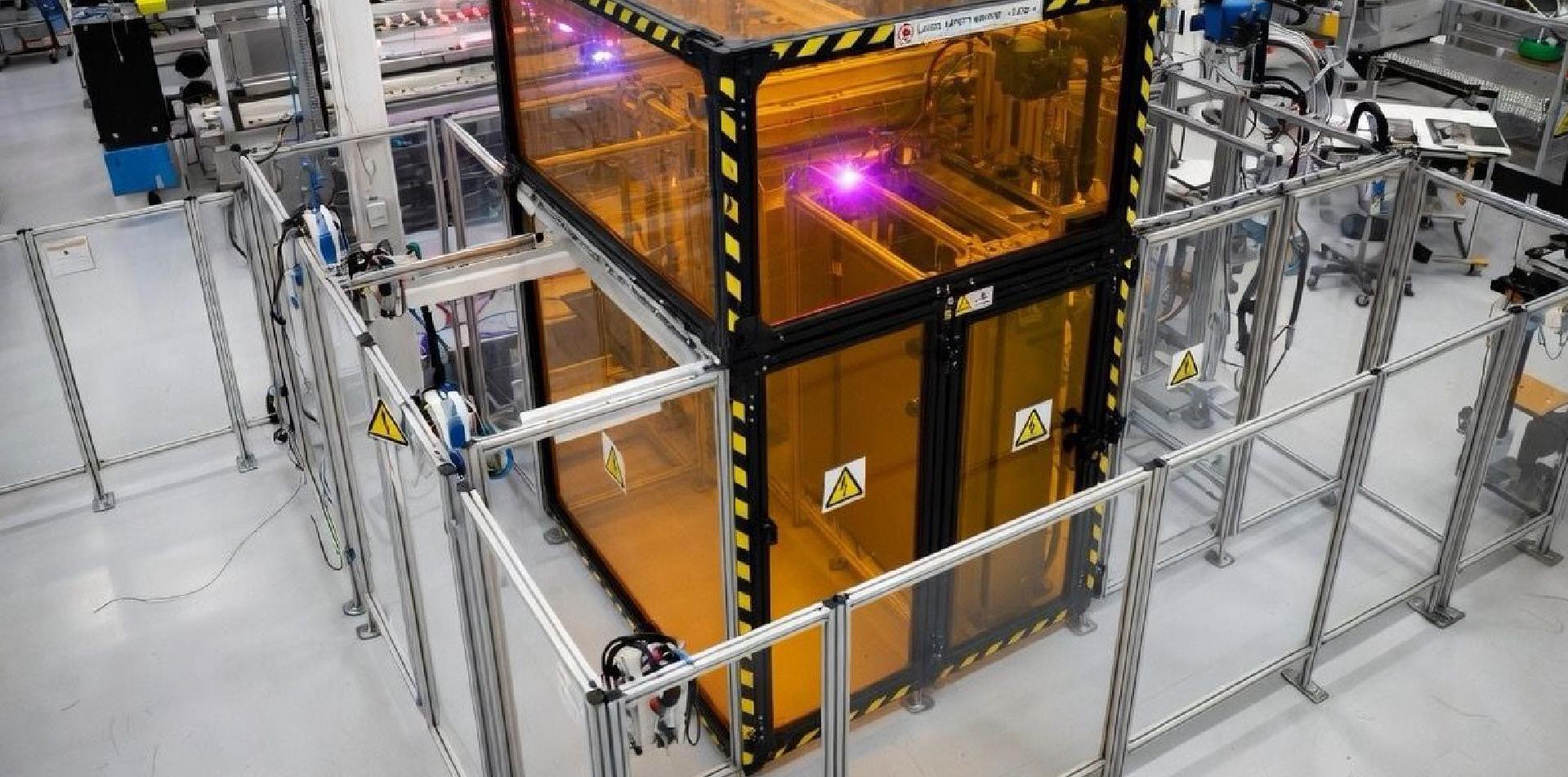
Structural materials
Materials in the Viewing Structure
The viewing line often decides the structure.
- Cleaning marks
- Abrasion
- Static attraction
- Impact risk
- Optical change
- Frame contact
The material has to match both the viewing position and the environment around it.
-
Industrial Polycarbonate Panels
-
Hard-Coated Transparent Sheets
-
Anti-Static Transparent Materials
-
Abrasion-Resistant Surfaces
-
Industrial Polycarbonate Panels
-
Hard-Coated Transparent Sheets
-
Anti-Static Transparent Materials
-
Abrasion-Resistant Surfaces
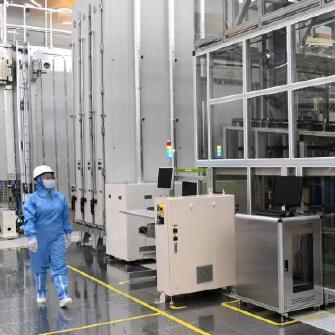
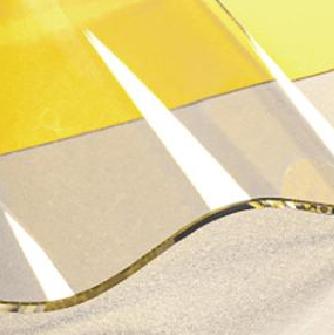
Structural elements
When Visibility Becomes Structural
A viewing area may begin as a transparent panel.
On the equipment, it becomes part of the frame, guarding boundary, access position, cleaning routine, and inspection logic.
That is why FLOMC reviews industrial viewing structures through visibility, material surface, frame contact, access, and installation together.
-
Protected Viewing AreasEt quoniam mirari posse quosdam peregrinos existimo haec lecturos forsitan, si contigerit, quamobrem cum oratio ad ea monstranda deflexerit quae.View Protected Viewing Areas
-
Industrial Observation StructuresEt quoniam mirari posse quosdam peregrinos existimo haec lecturos forsitan, si contigerit, quamobrem cum oratio ad ea monstranda deflexerit quae.View Industrial Observation Structures
-
High-Risk Equipment Viewing AreasEt quoniam mirari posse quosdam peregrinos existimo haec lecturos forsitan, si contigerit, quamobrem cum oratio ad ea monstranda deflexerit quae.View High-Risk Equipment Viewing Areas
-
Hazardous Equipment EnvironmentEt quoniam mirari posse quosdam peregrinos existimo haec lecturos forsitan, si contigerit, quamobrem cum oratio ad ea monstranda deflexerit quae.View Hazardous Equipment Environment
-
Environmental Isolation StructuresEt quoniam mirari posse quosdam peregrinos existimo haec lecturos forsitan, si contigerit, quamobrem cum oratio ad ea monstranda deflexerit quae.View Environmental Isolation Structures
-
Shielded Viewing AreasEt quoniam mirari posse quosdam peregrinos existimo haec lecturos forsitan, si contigerit, quamobrem cum oratio ad ea monstranda deflexerit quae.View Shielded Viewing Areas
FINAL CTA
Start with Your Equipment Environment
FLOMC can support your project from material selection, surface performance, panel processing, and structural development to OEM integration and installed-site adaptation.
Share the equipment context, viewing requirement, protection concern, or existing structure you are working with. We can help define the next practical direction.